

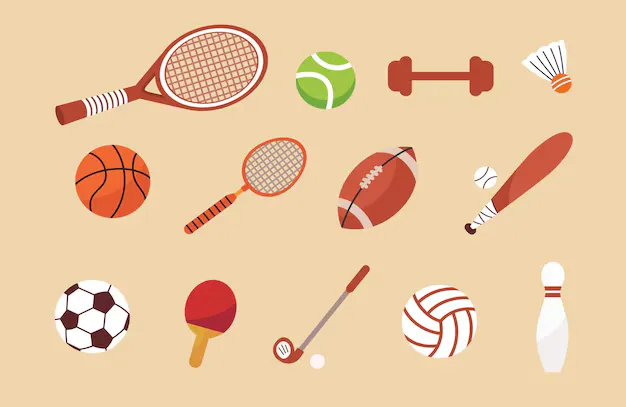
Are sports equipment advertisements aimed at teenagers effective?
By Khuzaima Yamman
Apr 21 2026, 3 min read
Sports equipment advertisements targeted at teenagers can be highly effective, but their success depends on how well they align with teen psychology, media consumption habits, and social influence patterns. Teenagers are a unique audience segment because they are highly impressionable, trend-sensitive, and strongly influenced by identity and peer approval. However, they are also selective and quick to reject inauthentic messaging.
Why Teenagers Are a Valuable Target Audience
Teenagers represent a key market for sports equipment brands because this is a stage of life where physical activity and identity formation intersect.
Many teenagers:
- Participate in school or club sports
- Engage in fitness activities such as gym training or running
- Follow professional athletes and sports culture closely
- Experiment with lifestyle and fashion choices
Because sports equipment is closely linked to performance and identity, it naturally fits into their daily lives and aspirations.
Identity and Emotional Influence
Teenagers are highly driven by identity-building and self-expression. They are not just buying products, they are buying what those products represent.
Effective advertisements focus on:
- Confidence and self-belief (“push your limits”)
- Performance identity (“play like a pro”)
- Belonging (“be part of the team”)
- Style and self-expression
Technical product details are usually less persuasive than emotional storytelling. Ads that connect products to personal growth or achievement tend to perform significantly better.
This is a core principle in sports advertising, where emotional connection often outweighs technical explanation.
Social Proof and Peer Influence
One of the strongest drivers of teenage behavior is social influence. Teenagers are heavily affected by what their peers wear, use, and admire.
Sports equipment advertising benefits from:
- Athlete endorsements (aspirational influence)
- Influencer marketing (relatable role models)
- School and community visibility (peer validation)
When teenagers see a product being used by someone they admire or recognize, it increases perceived value and desirability.
Digital Platforms and Media Habits
The effectiveness of advertising also depends heavily on where it is delivered. Teenagers are less responsive to traditional media and more engaged with digital environments.
Most effective platforms include:
- Short-form video platforms
- Social media feeds
- Gaming and streaming platforms
Advertisements that blend into these environments, especially short, visually engaging content, tend to perform best. Interactive formats such as challenges or user-generated content campaigns also significantly increase engagement.
Authenticity and Trust
Authenticity is critical when advertising to teenagers. This audience is highly sensitive to overly scripted or unrealistic messaging.
Ads perform better when they:
- Show real athletes or real users
- Highlight genuine gameplay or training moments
- Avoid exaggerated or artificial storytelling
Teenagers tend to reject content that feels overly commercial or disconnected from real life. Authentic storytelling builds trust and long-term engagement.
Price Sensitivity and Purchasing Limitations
While teenagers are strong influencers of brand preference, they often do not have full purchasing power. Most sports equipment purchases are influenced or decided by parents or guardians.
This creates a gap between:
- Brand interest generated by ads
- Actual purchase decisions
As a result, advertising aimed at teenagers is often more effective for brand awareness and preference-building than immediate sales conversion.
Trend Sensitivity and Cultural Relevance
Teenagers are highly responsive to trends and cultural movements. Sports equipment advertising that connects with current trends often performs significantly better.
Examples include:
- Viral sports challenges
- Popular athlete moments
- Seasonal school sports events
- Fitness or lifestyle trends on social media
However, trends change quickly, so campaigns must be continuously updated to remain relevant.
Overall Effectiveness
Sports equipment advertisements aimed at teenagers are generally:
Highly effective for:
- Brand awareness
- Emotional engagement
- Long-term brand loyalty
- Identity shaping