

FIFA World Cup 2026 Advertising Opportunities Guide
By Emily Hartwell
Jan 13 2026, 7 min read
The FIFA World Cup 2026 will be the biggest football tournament ever staged. With 48 teams, 104 matches and three host nations, it represents a rare convergence of global scale, cultural relevance and commercial opportunity.
For brands, the tournament is not only about official FIFA sponsorship. It is also about visibility, timing and proximity. The World Cup creates a commercial ecosystem that stretches far beyond stadiums, broadcast partners and rights holders. Cities, media platforms, digital environments and fan spaces all experience heightened attention for more than a month.
This report explores who is already involved, why the tournament is so valuable for advertisers and how brands can activate around the World Cup in compliant and commercially effective ways.
Why the 2026 World Cup matters for advertisers
The 2026 edition introduces structural changes that materially increase its advertising value.
The expanded format means more matches, more host cities and a longer window of global attention. Instead of a single host nation, the United States, Canada and Mexico together form a diverse and commercially powerful footprint. This creates multiple regional entry points for brands, each with distinct audiences and media behaviours.
From an advertising perspective, the World Cup is not a single event. It is a six week global conversation that dominates news cycles, social platforms and cultural spaces. Football fans follow matches daily, while casual audiences engage through highlights, social content and national narratives. This layered engagement allows brands to reach both core fans and wider mainstream audiences.
A look at official sponsors and partners
FIFA operates a tightly controlled sponsorship model built on exclusivity. Official partners receive category protection, access to tournament marks and global activation rights. This structure makes direct sponsorship inaccessible for many brands, particularly those without global scale or seven figure budgets.
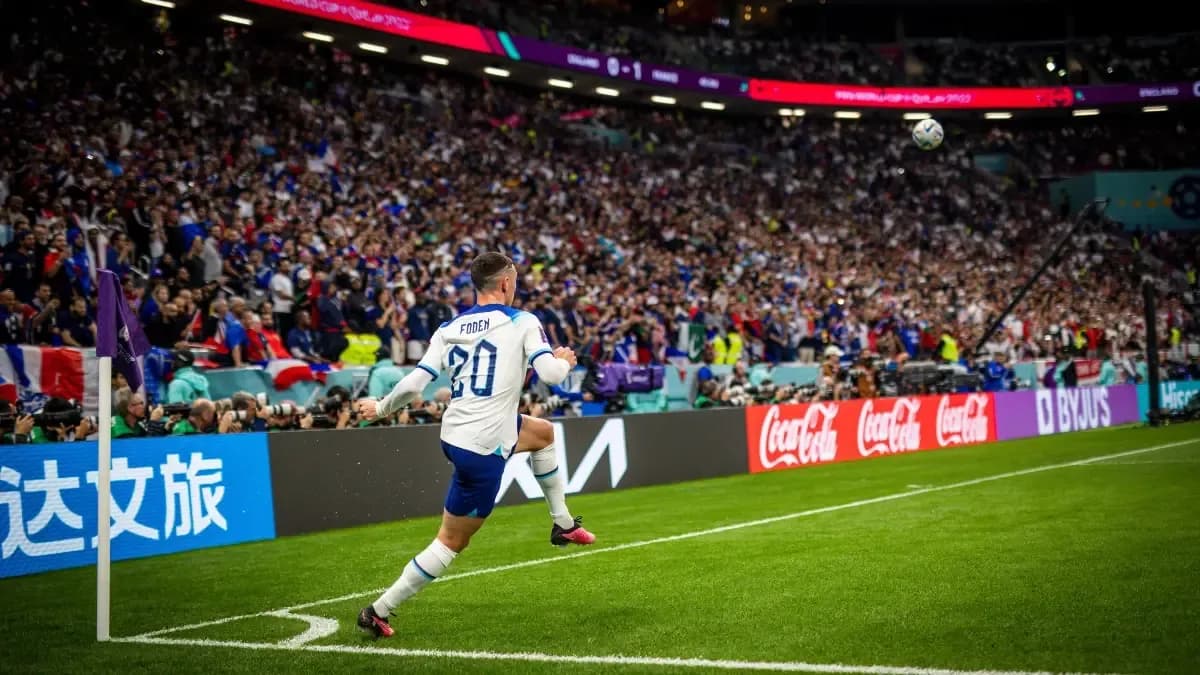
Confirmed partners for 2026 include long standing global brands across apparel, payments, automotive, technology and consumer goods. Names such as Adidas, Coca Cola, Visa, Hyundai Kia and McDonald’s continue their long term association with FIFA, while newer partners like Qatar Airways, Lenovo and Aramco reflect the tournament’s expanding commercial reach.
These brands benefit from visibility inside stadiums, official broadcast integrations and direct association with FIFA. Their presence also reinforces a wider truth for advertisers. The World Cup attracts the world’s most recognisable brands because it delivers scale, emotion and global relevance in a way few other platforms can.
The halo effect around the World Cup
Even without official status, the World Cup lifts attention across the entire football economy. News publishers, digital platforms, social channels and physical locations all experience a surge in engagement.
Search interest spikes globally. Football content dominates sports sections. Cities hosting matches see increased footfall, tourism and media coverage. Fans gather in public spaces, bars, transport hubs and city centres to watch matches and celebrate national teams.
For advertisers, this creates what is often described as a halo effect. Brands positioned near the tournament benefit from heightened awareness and contextual relevance, even without using protected assets.
This is where smart advertising strategies come into play.
Advertising in host cities and key markets
The 2026 World Cup will be played across 16 host cities in North America. Each city becomes a focal point for fan activity, media coverage and cultural celebration.
Out of home advertising plays a major role during major tournaments. Large format billboards, digital screens, transport media and city centre placements benefit from increased dwell time and audience density. When timed correctly, these placements align brands with the emotional peaks of the tournament.
For example, advertising in areas surrounding fan zones, transport corridors and hospitality districts allows brands to capture attention during match days and key moments. Messaging can be football themed without referencing FIFA trademarks, focusing instead on national pride, fan emotion and shared experiences.
This approach is particularly effective for brands looking to activate locally while benefiting from a global event.
Digital advertising during World Cup season
The World Cup reshapes digital consumption patterns. Fans check scores, read analysis, watch highlights and follow social commentary throughout the day.
Advertising on football websites, sports news platforms and major publishers becomes significantly more valuable during this period. Contextual relevance improves performance, as users are already immersed in football content.
Programmatic display, native content and video placements allow brands to scale reach quickly while aligning with trusted editorial environments. Social platforms also see intense engagement, with short form video, memes and live reactions driving conversation.
For brands, this presents an opportunity to run World Cup themed creative without claiming official association. The focus is on mood, timing and relevance rather than ownership.
Content led strategies that build authority
Content plays a critical role during major tournaments. Fans seek insight, storytelling and perspective, not just scores.
Brands that invest in editorial style content can build meaningful engagement during the World Cup. This might include match previews, cultural stories, player focused narratives or fan driven campaigns. When executed well, this content feels additive rather than intrusive.
Publishing content on owned platforms and distributing it through paid and organic channels allows brands to participate in the conversation while retaining control over messaging. This approach works particularly well for brands with a natural connection to sport, travel, lifestyle, technology or finance.
How to advertise around the World Cup with care
Advertising around the World Cup requires a clear understanding of boundaries. FIFA actively protects its intellectual property, including tournament names, logos and official phrases.
However, there is a well established space between official sponsorship and infringement. Many brands operate in this area by focusing on football culture rather than the tournament itself.
Common strategies include:
- Using generic football language rather than protected terms
- Referencing national teams or fan behaviour without using official marks
- Running campaigns themed around summer football or global competition
- Activating geographically rather than inside controlled zones
These approaches are widely used across major tournaments. Success depends on legal review, creative discipline and strategic restraint. The most effective campaigns are those that feel timely and relevant without overreaching.
The role of ambassadors and football talent
Individual players and football personalities often remain active commercially during major tournaments, subject to their existing agreements.
Brands that work with ambassadors can tap into personal followings and social reach without referencing the tournament directly. Content featuring training routines, personal journeys or national pride can resonate strongly during World Cup season.
This approach aligns well with brands seeking authenticity and human connection. It also allows flexibility across markets, as players often have global audiences that transcend national borders.
World Sports Advertising supports brands in identifying appropriate talent routes that complement wider tournament activity and remain compliant.
Why the World Cup fits long term brand strategy
The World Cup is not only about short term visibility. It contributes to long term brand building.
Association with football’s biggest moment reinforces credibility, scale and cultural relevance. Even indirect participation can strengthen brand perception when executed thoughtfully.
Brands that perform well during major tournaments often benefit from improved recall, positive sentiment and increased consideration in the months that follow. This is especially true for brands that prioritise storytelling and experience rather than pure exposure.
Using the World Cup as a gateway to football advertising
For many brands, the World Cup serves as an entry point into football advertising. It provides a concentrated period to test messaging, markets and channels before committing to longer term partnerships.
This might lead to future involvement in domestic leagues, club partnerships or ambassador relationships. The momentum created during the World Cup can be carried into sustained football strategies across seasons.
At World Sports Advertising, we help brands connect these dots by turning one tournament into a platform for ongoing growth. Our dedicated World Cup hub brings together opportunities, insight and activation ideas tailored to different brand objectives.
FAQs
Why is the FIFA World Cup 2026 attractive to advertisers
The tournament offers unmatched global reach, extended duration and strong emotional engagement across multiple markets.
Can brands advertise around the World Cup without being official sponsors
Yes. Brands can activate through OOH, digital media, content and ambassador strategies without using FIFA intellectual property.
Which advertising channels work best during World Cup season
Out of home in host cities, football and news websites, social media and video platforms perform particularly well.
Is advertising around the World Cup legally risky
Risk exists only when protected terms or assets are misused. Well planned campaigns focused on football culture rather than FIFA branding are widely used.