

Formula 1 Sponsorship Opportunities for Brands
By Aneesa Umber
Aug 20 2026, 10 min read
Formula 1 gives brands access to one of the most internationally recognised platforms in sport, with a global calendar spanning major markets and audiences across broadcast, digital, social and live events.
For brands considering Formula 1 sponsorship, there are several routes into the sport. These include team sponsorship, car branding, trackside advertising, driver partnerships, hospitality and individual Grand Prix activations. Each serves a different purpose, from building international awareness to reaching customers within a specific market.
At World Sports Advertising, our experience includes the Komatsu and Williams Racing partnership and delivering SAP GROW's campaign around the Miami Grand Prix. Working across different types of Formula 1 activity gives us a practical understanding of how brands can approach the sport according to their audience, markets and wider commercial objectives.
Working with an experienced sports sponsorship agency can help brands assess available rights, costs and activation opportunities before committing to a partnership.
The first step is understanding the different Formula 1 sponsorship opportunities available and the role each can play within a wider marketing strategy.
Main Formula 1 Sponsorship Opportunities
Brands looking to build a presence around Formula 1 have several options:
- Team sponsorship creates an ongoing commercial association with an individual F1 team.
- Car branding places the brand directly on a Formula 1 car.
- Trackside advertising provides circuit visibility and potential exposure within race broadcasts.
- Grand Prix partnerships connect brands with an individual race and host market.
- Driver partnerships provide ambassador, content and appearance opportunities.
- Hospitality can support customer relationships, networking and business development.
- Fan activations create direct experiences around Formula 1 audiences.
- Race weekend campaigns build brand presence within a host city around a particular Grand Prix.
The most suitable route depends on the audience, geographical priorities, budget and commercial purpose of the campaign.
Formula 1 Team Sponsorship
Formula 1 team sponsorship is a commercial partnership between a brand and an F1 team that can provide branding, marketing rights, content opportunities, hospitality and association with the team throughout the season.
Depending on the partnership level, rights can include branding across:
- F1 cars
- Driver race suits
- Helmets
- Team clothing
- Garage environments
- Team content
- Digital and social channels
Team sponsorship is particularly relevant for brands looking for an ongoing presence within Formula 1.
The relationship can be activated throughout the racing calendar through advertising, content, PR, customer engagement and employee activity. It can also give businesses a platform for telling relevant stories around areas such as technology, engineering, performance or innovation.
The value therefore depends on the complete rights package and how the brand intends to use it throughout the partnership.
Formula 1 Car Sponsorship
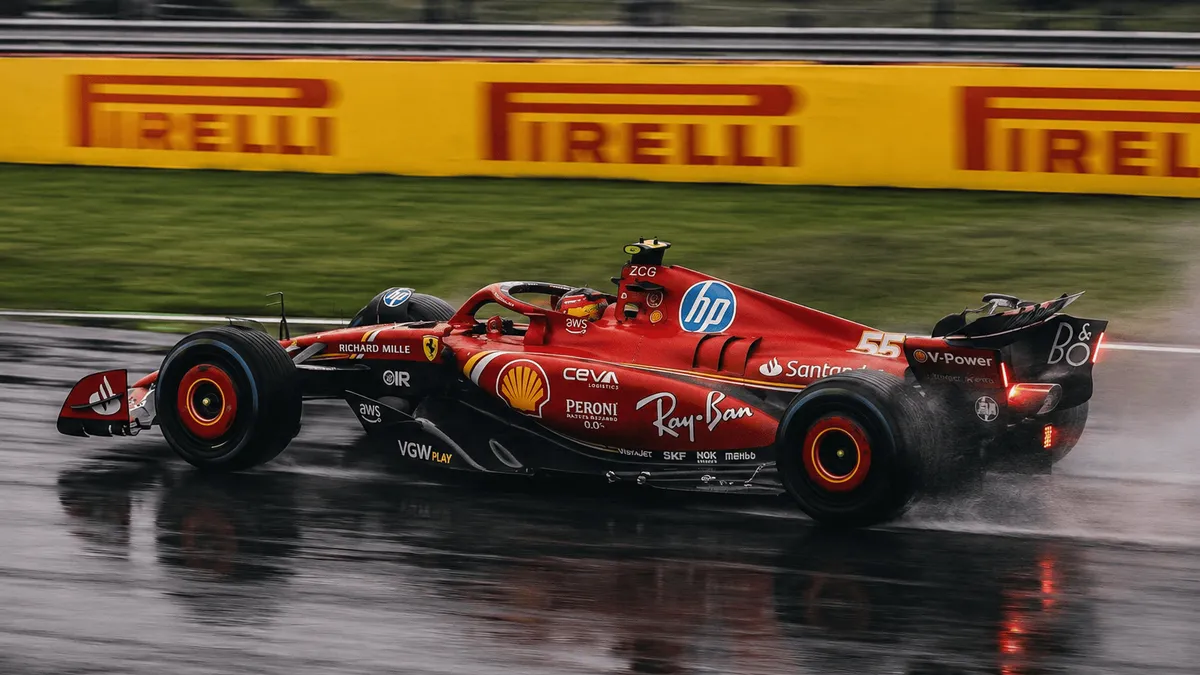
Formula 1 car sponsorship gives a brand logo placement on an F1 car, with the location and associated rights determined by the team and sponsorship package.
Branding can appear across areas including the sidepods, wings, nose and other sections of the car.
The car then provides opportunities for visibility during practice, qualifying and races, alongside photography, highlights, team content and wider media coverage.
Brands considering car sponsorship should assess factors such as:
- Branding position
- Visibility of the placement
- Team profile
- Associated marketing rights
- Driver and team content
- Hospitality
- Partnership duration
The physical branding is one element of the package. The rights surrounding it determine how extensively the association can be used across the brand's wider marketing.
Formula 1 Trackside Advertising
Formula 1 trackside advertising places brand creative around an F1 circuit through assets such as digital LED and static signage.
These placements can reach spectators at the circuit and may appear during television coverage, race highlights and other Formula 1 content.
Trackside advertising can support:
- International brand awareness
- Broadcast visibility
- Product launches
- Priority market campaigns
- Individual Grand Prix activity
- Multi-race campaigns
Brands can focus on one race when a particular market is commercially important or consider wider packages when the objective spans several countries.
For companies that want their brand within the race environment without entering a long-term team partnership, trackside advertising provides another route into Formula 1.
Grand Prix and Race Title Partnerships
A Formula 1 Grand Prix partnership associates a brand with an individual race, while race title partnerships can include naming rights and a deeper official relationship with the event.
Depending on the agreement, rights can include event branding, official media assets, hospitality and promotional opportunities.
This approach is particularly relevant when the host market aligns with the advertiser's commercial strategy.
Brands targeting UK audiences could consider activity around Silverstone. Businesses focused on the Middle East can look at markets including Abu Dhabi, Qatar and Bahrain. The United States offers several Formula 1 markets through Miami, Austin and Las Vegas.
Selecting a Grand Prix according to market priorities gives the sponsorship a clear geographical purpose.
Formula 1 Driver Sponsorship
Formula 1 driver sponsorship connects a brand with an individual driver through agreed ambassador, content, appearance and promotional rights.
A driver partnership can support:
- Advertising campaigns
- Social content
- Product launches
- Customer events
- PR
- Corporate appearances
- Hospitality
- Employee activity
Brands should consider the driver's audience, personality, geographical relevance and suitability for the product or company.
A strong driver partnership gives the campaign a recognisable personality and creates content opportunities that can extend beyond race weekends.
Formula 1 Hospitality
Formula 1 hospitality gives brands the opportunity to host customers, prospects, business partners and employees around Grand Prix weekends.
This can be particularly relevant for B2B companies where building and maintaining individual commercial relationships is important.
Hospitality can support:
- Client entertainment
- Customer retention
- Prospect engagement
- Executive networking
- Partner relationships
- Employee rewards
For technology, SaaS, financial services and professional services brands, hospitality can give Formula 1 sponsorship a clear role within customer and business development activity.
The required hospitality access should be considered during sponsorship negotiations so it forms part of the overall package.
Fan Engagement and Experiential Activations
Formula 1 fan activations allow brands to create physical and digital experiences around race audiences.
Activity can include:
- Fan zones
- Racing simulators
- Competitions
- Product sampling
- Interactive installations
- Digital experiences
- Branded content
- Social activations
For consumer brands, these experiences can encourage actions such as registrations, competition entries, product trials and social engagement.
The concept should have a clear connection with the brand. A relevant experience gives fans a reason to participate while creating additional opportunities for content and wider campaign reach.
Marketing Around a Formula 1 Grand Prix
Brands can also build marketing activity around the increased attention a Formula 1 race brings to its host city.
Grand Prix weekends attract fans, international visitors, business travellers, teams, partners and media. That creates opportunities beyond the circuit across airports, city centres, hospitality venues and other relevant locations.
Campaign activity can include:
- Airport advertising
- Citywide outdoor media
- Hospitality
- Customer events
- Experiential activity
- Digital campaigns
- PR and content
This approach can suit a business that wants to concentrate its Formula 1 marketing around one strategically important market.
It also allows the campaign to follow the wider audience journey before, during and after the race weekend.
Formula 1 Sponsorship for Technology and B2B Brands
Formula 1 sponsorship can help technology and B2B brands build international awareness, demonstrate expertise and engage important customers around a globally recognised sporting platform.
Modern Formula 1 relies heavily on software, data, engineering, communications and performance technology. These areas can create relevant connections for companies operating in technology led industries.
An F1 partnership can support:
- Brand awareness
- Technology storytelling
- Thought leadership
- Customer hospitality
- Executive networking
- Content creation
- Lead generation
- Employee engagement
For technology and SaaS brands, relevance matters. A credible relationship between what the company provides and the world of Formula 1 creates stronger material for content, customer conversations and wider activation.
Formula 1 Sponsorship for Consumer Brands
Consumer brands can use Formula 1 sponsorship to reach fans through team partnerships, driver content, product collaborations, competitions and race weekend experiences.
The sport now attracts companies across sectors including fashion, food, drink and lifestyle, creating opportunities for brands that want to connect with F1 audiences through culture and entertainment as well as the racing itself.
Consumer activation can include:
- Driver led content
- Limited edition products
- Fan competitions
- Product sampling
- Merchandise collaborations
- Retail promotions
- Social campaigns
- Branded experiences
For international consumer brands, one Formula 1 partnership can also provide a central platform that is activated differently across priority markets.
Formula 1 Sponsorship Costs
Formula 1 sponsorship costs vary significantly according to the team, race, branding position, commercial rights, duration and level of exposure included in the package.
Indicative Formula 1 sponsorship costs can include:
- Single Grand Prix trackside advertising can range from approximately £150,000 to £750,000 per event.
- Full season trackside advertising can range from approximately £2 million to £15 million or more per season.
- Individual F1 team partnerships can range from approximately £2 million to £50 million per season.
- Driver or car branding can range from approximately £500,000 to £20 million per season.
- Driver ambassador partnerships can range from approximately £500,000 to £10 million per year.
- Race title partnerships can range from approximately £1 million to £25 million per event.
- Race weekend OOH and proximity campaigns can range from approximately £50,000 to £1 million, depending on the market, media and scale of activity.
These figures should be treated as indicative. Actual Formula 1 sponsorship costs depend on availability and the specific rights included within the commercial agreement.
Brands also need to consider the activation budget. Sponsorship rights create the opportunity, while advertising, content, hospitality, PR, events and experiences determine how those rights are brought to life.
Choosing the Right Formula 1 Sponsorship
The right Formula 1 opportunity should follow the campaign objective.
Global Brand Awareness
Team sponsorship, car branding and season long trackside activity can create an ongoing presence across international markets.
Priority Market Growth
A Grand Prix partnership, single race trackside campaign or wider race weekend activation can concentrate activity within a specific country or city.
Broadcast Visibility
Trackside advertising and prominent car branding can place the brand within the visual environment surrounding Formula 1 racing.
B2B Relationships
Team partnerships combined with hospitality can support customer engagement, networking and business development.
Consumer Engagement
Driver partnerships, fan experiences, competitions and branded content can create direct ways for audiences to interact with the campaign.
Technology Positioning
A relevant team or motorsport partnership can give technology brands a platform for communicating expertise around areas such as engineering, data, software and performance.
Starting with the objective helps brands narrow the available opportunities before selecting specific sponsorship assets.
Getting More Value from Formula 1 Sponsorship
Formula 1 sponsorship activation is the marketing activity used to turn sponsorship rights into content, campaigns and experiences for customers, fans and employees.
Depending on the rights secured, activation can include:
- Team and driver content
- Advertising
- Social campaigns
- PR
- Hospitality
- Product integration
- Competitions
- Experiential activity
- Employee programmes
- Local campaigns around individual races
Brands should consider activation while negotiating the sponsorship.
If the campaign requires driver imagery, appearances, behind the scenes content or customer access, those rights need to be established within the agreement.
This allows the sponsorship to support activity throughout the marketing calendar.
Measuring Formula 1 Sponsorship
Formula 1 sponsorship should be measured against the objective established before the partnership begins.
For awareness campaigns, relevant measures can include:
- Brand awareness
- Media exposure
- Content reach
- Branded search
- Website traffic
- Social engagement
For B2B campaigns, brands can consider:
- Target accounts engaged
- Customers hosted
- Leads generated
- Meetings secured
- Sales pipeline influenced
Consumer activations can measure registrations, competition entries, product trials, enquiries and sales where appropriate.
The measurement framework should therefore be agreed alongside the sponsorship strategy rather than after the campaign has finished.
Building the Right Formula 1 Sponsorship Strategy
Formula 1 offers brands several ways to enter the sport, from team sponsorship and car branding to trackside advertising, driver partnerships, hospitality and individual Grand Prix campaigns. As part of a wider motorsports sponsorship strategy, these opportunities can help brands build a presence around the audiences and markets most relevant to their business.
The right approach depends on who the brand needs to reach, where those audiences are located, what the sponsorship needs to achieve and how the rights will be activated.
A global business may prioritise season long visibility. A company entering a new market may focus on a specific Grand Prix. B2B organisations can use Formula 1 for customer engagement and hospitality, while consumer brands can build campaigns around fans, drivers and experiences.
As a global sports sponsorship agency, World Sports Advertising helps brands identify and activate Formula 1 sponsorship opportunities around their audiences, commercial objectives, priority markets and budgets.
If your brand is considering Formula 1 sponsorship, get in touch with World Sports Advertising to discuss the available opportunities and build a strategy around what your business wants to achieve.