

How Brands Create Unforgettable Fan Experiences During the FIFA World Cup
By Khuzaima Yamman
Jul 15 2026, 3 min read
The FIFA World Cup is more than a sporting event—it is a global cultural moment where brands compete not only for visibility but also for emotional connections with billions of fans. The most successful sponsors do not simply place logos in stadiums; they create memorable experiences that make supporters feel part of the tournament. This evolution has transformed sports sponsorship from a branding exercise into an opportunity to build lasting relationships with fans through meaningful experiences.
During the 2026 FIFA World Cup, with matches hosted across the United States, Canada, and Mexico, brands are expected to invest heavily in immersive activations, digital experiences, and fan engagement strategies.
1. Turning Sponsorship Into Experiences, Not Just Advertising
Traditional sponsorship focused on:
- Stadium signage
- Television commercials
- Logo placement
Modern World Cup marketing focuses on participation. Brands aim to create moments fans remember long after the final whistle.
Examples include:
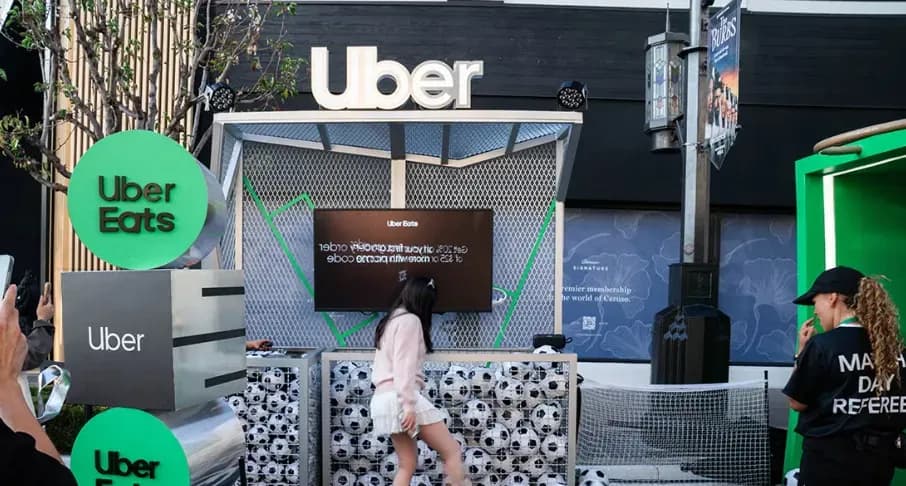
- Fan festivals
- Interactive brand zones
- Photo opportunities with trophies or digital replicas
- Live entertainment
- Community football events
The goal is simple: make fans associate positive emotions with the brand.
2. Building Massive Fan Zones
Fan zones have become one of the most powerful tools for World Cup sponsors. These spaces transform cities into football celebrations where supporters can interact with brands.
Typical fan zone experiences include:
Interactive Games
Fans can test their football skills through:
- Penalty shootouts
- Speed challenges
- Virtual reality football
- AI-powered competitions
Brand Experiences
Companies create themed environments where fans can:
- Sample products
- Enter competitions
- Collect limited-edition merchandise
- Share content on social media
Live Match Viewing
Large-screen viewing areas allow thousands of fans to experience matches together, creating community and excitement.
3. Using Technology to Personalize Fan Engagement
Technology is changing how brands connect with supporters.
Artificial Intelligence
AI allows brands to create the following:
- Personalized content
- Digital fan profiles
- Real-time recommendations
- Customized social media experiences
For example, a fan could receive a personalised highlight video featuring their favourite team or player.
Augmented Reality
AR experiences allow fans to interact with virtual elements through smartphones.
Possible activations:
- Taking a virtual photo with the World Cup trophy
- Trying on digital team jerseys
- Unlocking virtual stadium experiences
- Exploring player statistics
4. Creating Shareable Social Media Moments
World Cup marketing succeeds when fans become brand ambassadors.
Brands design experiences specifically for social sharing:
- Giant football installations
- Creative photo locations
- Interactive challenges
- Hashtag campaigns
- Fan-generated videos
A single viral fan moment can reach millions of people beyond the stadium.
5. Connecting Brands With Local Culture
The 2026 tournament spans three countries with diverse football cultures. Successful brands will adapt their experiences to local communities.
Examples:
United States
Brands may focus on:
- Entertainment
- Technology
- Celebrity partnerships
- New football audiences
Mexico
Campaigns may emphasize the following:
- Football traditions
- Community celebrations
- Family experiences
Canada
Brands may highlight:
- Diversity
- Inclusion
- Emerging football culture
Local relevance makes global campaigns feel authentic.
6. Using Players and Legends to Create Emotional Connections
Football stars remain one of the strongest ways brands build excitement.
Brands collaborate with:
- Current national team players
- Former World Cup champions
- Football influencers
- Local heroes
These partnerships help transform advertisements into stories.
A fan is more likely to remember a brand moment involving their football idol than a traditional commercial.
7. Creating Exclusive Merchandise and Collectibles
Limited-edition products create urgency and emotional value.
Examples:
- Special World Cup packaging
- Tournament-themed apparel
- Digital collectibles
- Commemorative products
Fans often keep these items for years, extending the life of a sponsorship campaign.