

How Can Brands Activate Around NFL Games in London?
By Aneesa Umber
Sep 03 2026, 8 min read
NFL games in London create a wider marketing opportunity than the match itself. Brands can build activity across the days leading up to kick off, reach fans as they travel through the capital and create experiences that extend beyond the stadium.
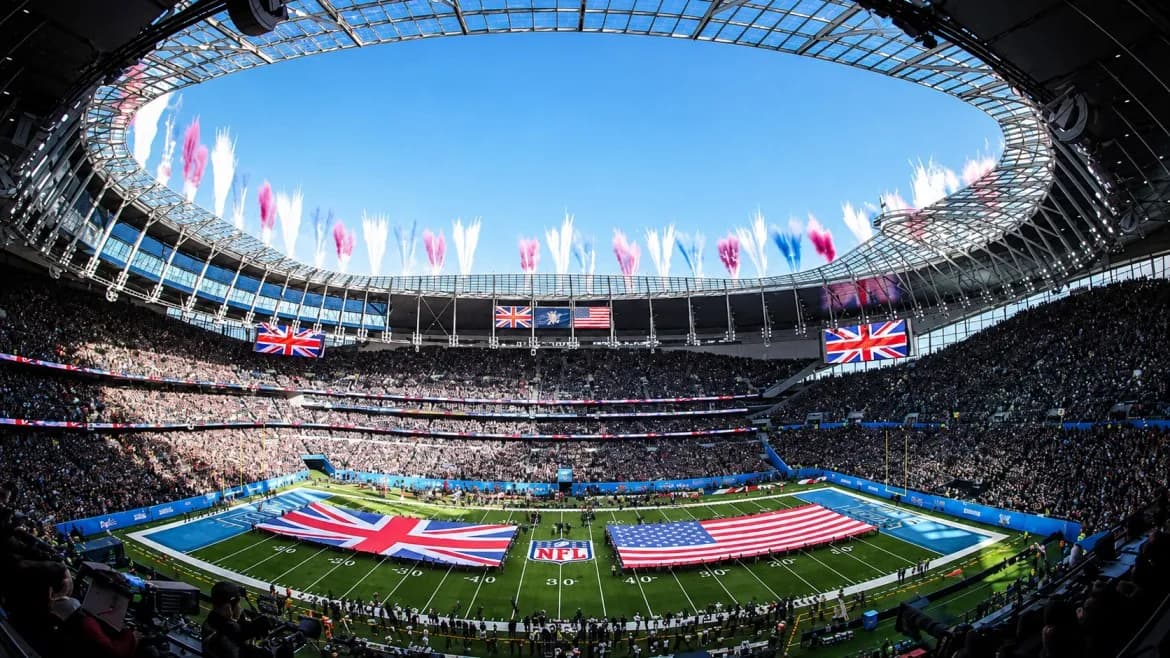
London will host three regular season NFL games in October 2026. Tottenham Hotspur Stadium will stage games on 4 and 11 October, followed by a third game at Wembley Stadium on 18 October.
For brands, the opportunity is to think beyond stadium exposure. Outdoor advertising, fan experiences, hospitality, social content and city activations can turn an NFL weekend into a broader campaign.
The right approach depends on whether the objective is to reach NFL fans, generate wider brand awareness, engage customers or create a stronger connection with the culture surrounding the sport.
Start the Campaign Before Game Day
Brand activation around an NFL London game should begin before fans arrive at the stadium.
The NFL has increasingly built activity around the wider game week. During the 2025 London series, team events included pub takeovers, kick off parties, fan gatherings, games and giveaways across the city.
This creates a useful activation window for brands.
Activity in the days before the game can include:
- Outdoor and transport advertising
- Social and digital content
- Competitions and ticket promotions
- Retail partnerships
- Branded fan experiences
- Hospitality events
- Product sampling
- Influencer and creator activity
Starting earlier gives the campaign time to build recognition before match day.
It also allows brands to reach people who are interested in the NFL experience but may not have tickets for the game itself.
Build Visibility Along the Fan Journey
London's transport network creates several touchpoints between a fan arriving in the city and reaching the stadium.
Fans may travel through airports, railway stations, Underground stations, bus routes and busy pedestrian areas before arriving at Tottenham or Wembley.
Brands can use these journeys to build repeated visibility.
For a game at Tottenham Hotspur Stadium, advertising can be planned around relevant routes and transport environments used by supporters travelling towards north London. Wembley games create a different audience journey, requiring a separate location plan.
The important point is that the stadium should not be treated as the only valuable location.
A well planned sports activation can begin much earlier in the journey and build recognition as fans move closer to the event.
Create a Fan Experience Outside the Stadium
NFL culture gives brands considerable room for experiential activity.
The experience surrounding American football includes team identity, jerseys, food, music, tailgating, games and fan interaction. Brands can use these elements to create something people actively want to visit.
An activation could include:
- Throwing challenges
- Reaction or agility games
- Photo opportunities
- Branded merchandise
- Competitions
- Product demonstrations
- Food and drink experiences
- Player or NFL personality appearances, where rights allow
- Live screenings or sports content
The location matters.
An activation does not necessarily need to sit directly outside the stadium. High footfall leisure destinations, shopping areas and hospitality venues can allow brands to reach fans during the wider NFL weekend.
The experience should still have a clear connection to the brand. Adding an American football game to a stand may attract attention, but the activation is stronger when participation leads naturally into the product, service or campaign message.
Consider a London Takeover
Brands with larger activation budgets can connect several media and experiential elements around the same NFL weekend.
For example, a campaign could begin with airport media for arriving visitors, continue through transport advertising across London and lead towards an experiential activation or hospitality event.
Taxis, buses and digital screens can reinforce the same creative across different parts of the city.
This creates a sense that the brand is part of the weekend rather than appearing at one isolated touchpoint.
A city takeover does not mean buying media everywhere. A smaller number of carefully connected locations can create a stronger journey when each placement has a clear role.
Use Hospitality for Customer and B2B Engagement
NFL London games can also provide a platform for brands targeting customers, partners and business decision makers.
Hospitality can be combined with activity before and after the game rather than treating the ticket as the complete experience.
A brand might invite guests to a private event before travelling to the stadium together. The game then becomes the centrepiece of a wider day designed around relationship building.
This can work particularly well for businesses where the commercial audience is more important than mass consumer reach.
Guest selection is critical. A smaller experience involving valuable customers or prospects may deliver more commercial value than distributing tickets without a wider engagement plan.
Work With NFL Culture Without Forcing It
Brands do not need to look American simply because they are activating around an NFL game.
The strongest creative should connect the brand with the excitement surrounding the event while remaining recognisable as the brand itself.
References to touchdowns, team colours or American football imagery can work when relevant, but generic sports language can quickly make campaigns feel interchangeable.
A better approach is to identify the overlap between the brand and the occasion.
A food brand might naturally build around game day eating. A technology company could create an interactive experience. A fashion brand might focus on jerseys, streetwear and fan culture.
The connection should make sense without needing a long explanation.
Use Social Content to Connect the City and the Game
Physical activation can generate useful digital content.
Brands can capture the build up across London, fan reactions, competitions, experiences and activity around the city. This content can reach people who are following the game without attending in person.
The 2026 London games will also have significant broadcast availability in the UK. All three are scheduled to be shown through 5, Sky Sports and NFL Game Pass on DAZN.
This means the potential audience around game day extends beyond people inside Tottenham Hotspur Stadium or Wembley.
Campaign planning can therefore consider two groups:
- People experiencing NFL London physically
- People following the game through broadcast, social media and digital channels
Connecting both can extend the useful life of the activation.
Give Each London Game a Different Role
Brands activating across several NFL London games do not necessarily need to repeat the same campaign three times.
The 2026 series provides three consecutive London weekends:
- 4 October: Indianapolis Colts vs Washington Commanders at Tottenham Hotspur Stadium
- 11 October: Philadelphia Eagles vs Jacksonville Jaguars at Tottenham Hotspur Stadium
- 18 October: Houston Texans vs Jacksonville Jaguars at Wembley Stadium
A brand could use the first weekend to launch its campaign, build wider visibility during the second and concentrate hospitality or customer engagement around the final game.
Creative can also evolve across the series.
This approach gives the campaign momentum over several weeks rather than repeatedly restarting around each game.
Be Clear About Sponsorship and Advertising Rights
There is an important distinction between activating around an NFL game and being an official NFL, team or event partner.
Brands without the relevant sponsorship rights need to be careful about how they reference teams, players, league marks, event names and other protected intellectual property.
A campaign can still take advantage of increased audience activity around a major sporting weekend without implying an official relationship.
Brands that hold appropriate rights have greater scope to integrate official assets into advertising, content and experiences.
Rights should therefore be established early in the planning process, before creative development begins.
This is one area where working with a sports sponsorship agency can help brands understand the relationship between sponsorship rights and the wider activation plan.
Plan Around the Audience
The strongest NFL London activations start with the people the brand wants to reach.
That may be dedicated NFL fans, international visitors, younger sports audiences, existing customers or business decision makers.
Once that audience is defined, the campaign can be built around where they are likely to be before, during and after the game.
For some brands, the stadium will be central to the strategy. For others, the bigger opportunity may be across London's transport network, hospitality venues, retail destinations or digital channels.
The fixture creates the occasion. Audience behaviour determines where the brand should appear.
Turning NFL London Into a Wider Brand Activation
NFL games in London give brands several opportunities to connect with audiences beyond match day.
A campaign can build anticipation before the fixture, create visibility across London, engage fans through experiences and extend into social content and customer hospitality. The right mix depends on the brand, its rights and what the campaign needs to achieve.
The NFL's international presence also continues to expand. The league has scheduled a record nine international games across seven countries in 2026, while London remains one of its established international markets.
At World Sports Advertising, we help brands turn major sporting moments into wider marketing opportunities through sports sponsorship, media and activation.
If you are planning a campaign around the NFL London Games or exploring wider sports activation opportunities, get in touch with World Sports Advertising to discuss your brief.