

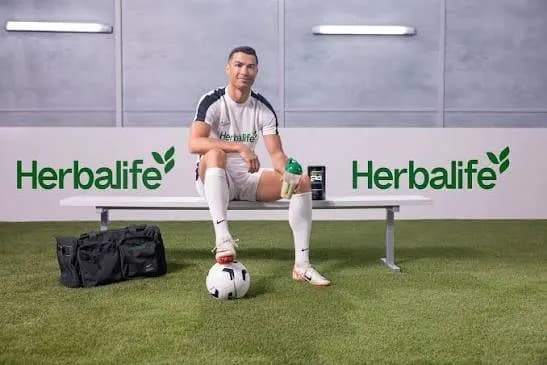
How Fitness brands use Sports Advertising Effectively
By Khuzaima Yamman
Jul 08 2026, 4 min read
Sports advertising is one of the most effective marketing strategies used by fitness brands to promote their products and services, increase brand awareness, and inspire healthy lifestyles. Fitness brands include manufacturers of sportswear, athletic footwear, fitness equipment, nutritional supplements, gyms, health clubs, and fitness applications. Since sports are closely associated with physical health, strength, endurance, and personal achievement, they provide an ideal platform for fitness brands to connect with consumers. By sponsoring athletes, sporting events, fitness competitions, and wellness campaigns, fitness brands build credibility, strengthen customer loyalty, and encourage consumers to adopt active lifestyles. The following are the major ways fitness brands use sports advertising effectively.
1. Sponsoring Professional Athletes
Fitness brands frequently partner with professional athletes who represent excellence, discipline, and peak physical performance. These athletes act as brand ambassadors by wearing or using the company's products during competitions, training sessions, and promotional campaigns. Their achievements inspire consumers and enhance the credibility of the brand. Fans often trust products endorsed by successful athletes because they associate them with quality and performance.
2. Sponsoring Sporting Events
Fitness brands invest heavily in sponsoring local, national, and international sporting events such as marathons, football tournaments, basketball leagues, cycling races, tennis championships, and fitness competitions. Their logos appear on banners, uniforms, race bibs, stadium displays, and promotional materials. This extensive visibility helps brands reach millions of spectators both at the venue and through television and online broadcasts.
3. Promoting Active and Healthy Lifestyles
One of the primary goals of fitness advertising is to encourage people to adopt healthier lifestyles. Sports advertisements often feature individuals exercising, participating in competitions, or achieving personal fitness goals. These messages motivate consumers to become more physically active and position the brand as a partner in improving health and well-being.
4. Using Inspirational Storytelling
Fitness brands often create advertising campaigns that tell inspiring stories about determination, perseverance, and personal transformation. These stories may feature athletes overcoming injuries, individuals achieving weight-loss goals, or beginners developing healthier habits. Emotional storytelling creates strong connections with audiences and motivates consumers to pursue their own fitness journeys.
5. Highlighting Product Performance
Sports advertising allows fitness brands to demonstrate the effectiveness of their products in real-life situations. Athletic footwear, sportswear, fitness trackers, gym equipment, nutritional supplements, and training accessories are often shown being used by athletes during intense training or competitions. This practical demonstration helps consumers understand the benefits and performance of the products.
6. Collaborating with Fitness Influencers
In addition to professional athletes, many fitness brands collaborate with fitness trainers, coaches, health experts, and social media influencers. These individuals share workout routines, product reviews, and fitness tips while promoting the brand to their followers. Influencer partnerships increase brand credibility and allow companies to reach younger, digitally active audiences.
7. Encouraging Community Participation
Fitness brands frequently organize or sponsor community sporting events such as charity runs, cycling events, fitness boot camps, yoga sessions, and wellness challenges. These activities encourage public participation while giving consumers the opportunity to experience the brand firsthand. Community involvement strengthens customer relationships and promotes positive brand associations.
8. Creating Emotional Connections
Sports naturally evoke emotions such as determination, teamwork, victory, resilience, and self-improvement. Fitness brands use these emotions in their advertising to inspire consumers and encourage them to associate the brand with confidence, success, and personal achievement. Emotional campaigns often leave lasting impressions and increase brand loyalty.
9. Promoting New Products and Services
Sports advertising provides an excellent platform for introducing new products, including athletic shoes, sports apparel, wearable fitness devices, gym memberships, nutritional products, and fitness applications. Launch campaigns often feature athletes or fitness enthusiasts demonstrating the latest innovations, generating excitement and encouraging consumers to try the new offerings.
10. Supporting Youth and Grassroots Sports
Many fitness brands invest in youth sports programs, school competitions, university tournaments, and amateur sporting events. Supporting young athletes demonstrates corporate social responsibility while introducing the brand to future customers. These sponsorships also help strengthen relationships within local communities and encourage lifelong participation in sports.