

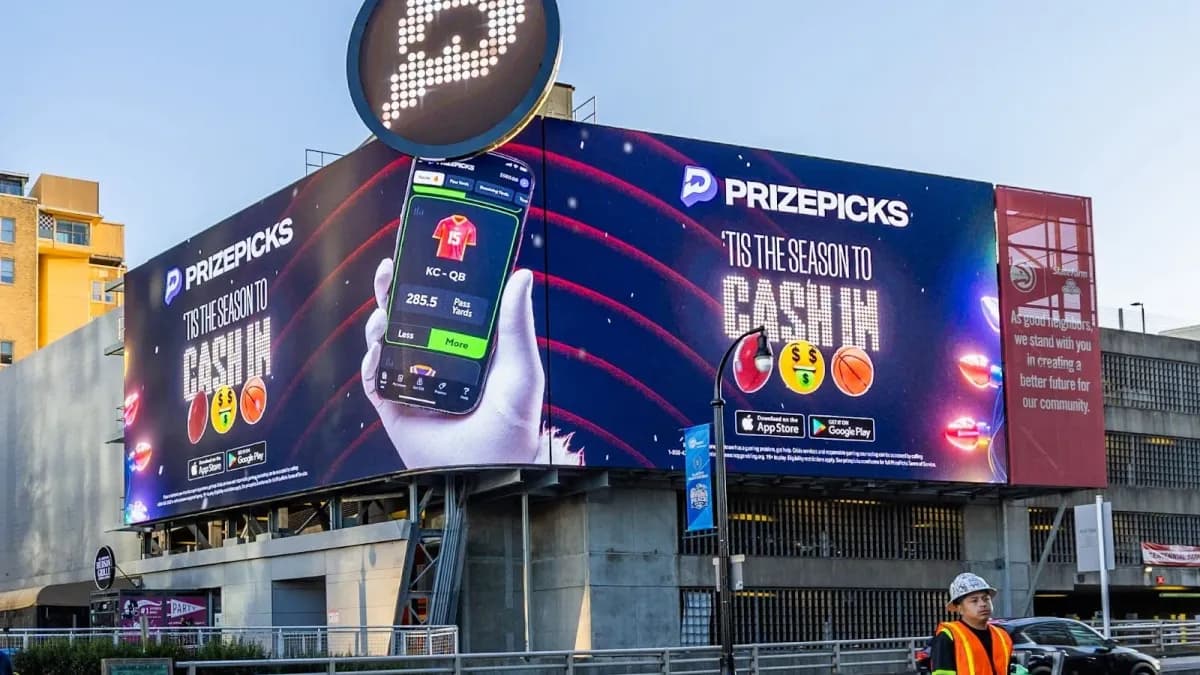
How Programmatic DOOH Is Transforming Sports Advertising
By Khuzaima Yamman
Jul 22 2026, 4 min read
Sports advertising has always been about reaching passionate audiences at the right moment. Whether it is football supporters heading to a stadium, Formula 1 fans travelling to a race weekend, or tennis enthusiasts gathering around fan zones, brands have traditionally relied on static outdoor advertising to build awareness. While these formats remain highly effective, Programmatic Digital Out-of-Home (Programmatic DOOH) is introducing a new level of flexibility, precision, and measurement.
Programmatic DOOH combines the impact of large-format digital screens with automated media buying technology. Instead of booking a fixed schedule weeks or months in advance, advertisers can purchase digital outdoor inventory based on audience data, timing, location, and campaign objectives. For sports marketers, this means campaigns can become more responsive, relevant, and efficient than ever before.
What Is Programmatic DOOH?
Programmatic DOOH refers to the automated buying and optimisation of digital outdoor advertising through demand-side platforms (DSPs) and real-time data.
Unlike traditional billboard bookings, programmatic campaigns allow advertisers to:
- Activate campaigns across multiple digital screens from a single platform.
- Schedule advertisements during specific times or events.
- Optimise delivery based on audience behaviour.
- Pause, update, or replace creatives instantly.
- Measure campaign performance more accurately.
This level of control is particularly valuable in sports, where audience numbers, locations, and engagement can change rapidly throughout a tournament or event.
1) Reaching Fans at the Right Time
One of the biggest advantages of programmatic DOOH is its ability to reach sports audiences when they are most engaged.
Instead of displaying the same advert all day, brands can target key moments such as the following:
- Before a match begins.
- During commuter journeys to stadiums.
- After full-time when fans travel home.
- Throughout major sporting weekends.
- During fan festivals and public viewing areas.
For example, a sportswear brand can increase advertising frequency just hours before kick-off, while a food delivery company can promote post-match offers immediately after the final whistle.
This contextual approach makes advertising more relevant and improves campaign effectiveness.
2) Real-Time Creative Updates
Sport moves quickly, and programmatic DOOH allows advertisers to keep pace.
Digital creatives can be updated instantly to reflect the following:
- Live scores.
- Tournament progression.
- Breaking sports news.
- Weather conditions.
- Match schedules.
- Athlete milestones.
During a major football tournament, a beverage sponsor could update digital billboards to congratulate a winning team moments after the match ends. Similarly, an automotive sponsor could display different creative content depending on which race is taking place during a Formula 1 season.
This ability to react in real time creates campaigns that feel timely and connected to the sporting moment.
3) Smarter Audience Targeting
Programmatic DOOH uses location intelligence and audience data to improve media planning.
Rather than purchasing every available screen, advertisers can focus on locations where sports audiences are most likely to be found, including:
- Stadium surroundings.
- Airports during international tournaments.
- Sports bars.
- Shopping centres screening live events.
- Transport hubs.
- City centres hosting fan zones.
Campaigns can also be activated during periods of high audience concentration, helping brands maximise budget efficiency without sacrificing reach.
4) Better Budget Efficiency
Traditional outdoor advertising often involves fixed bookings regardless of audience conditions.
Programmatic DOOH introduces greater flexibility by allowing advertisers to:
- Adjust campaign budgets throughout a tournament.
- Shift spend towards higher-performing locations.
- Increase exposure during important matches.
- Reduce activity during quieter periods.
- Test multiple creative versions.
This dynamic approach helps advertisers make better use of media budgets while maintaining strong visibility throughout a campaign.
5) Supporting Multi-Channel Sports Campaigns
Modern sports marketing rarely relies on one advertising channel alone.
Programmatic DOOH works effectively alongside the following:
- Connected TV (CTV)
- Online video
- Display advertising
- Mobile campaigns
- Social media
- Audio advertising
A fan might first see a digital billboard near a stadium, later receive a mobile advert, and then watch a connected TV commercial at home. Delivering consistent messaging across multiple channels strengthens brand recognition and improves campaign performance.
Because many programmatic platforms support omnichannel buying, advertisers can coordinate messaging across several media formats from a single campaign.
6) Dynamic Advertising Based on External Data
One of the most exciting developments in programmatic DOOH is the ability to trigger campaigns using live data.
Sports advertisers can activate different creatives based on the following:
- Match start times.
- Weather conditions.
- Traffic levels.
- Audience density.
- Local celebrations.
- Event schedules.
For example, if heavy rain delays a cricket match, advertisers can automatically adjust messaging. If a stadium reaches maximum attendance, nearby digital screens can increase the frequency of food, beverage, or merchandise promotions.
These data-driven activations help brands deliver more relevant advertising without manual intervention.
7) Improved Measurement and Campaign Insights
Measurement has traditionally been one of the biggest challenges in outdoor advertising.
Programmatic DOOH provides more detailed reporting through:
- Estimated impressions.
- Audience reach.
- Screen delivery.
- Campaign pacing.
- Location performance.
- Attribution studies.
- Footfall analysis.
When combined with mobile location data and digital analytics, advertisers gain a clearer understanding of how outdoor advertising contributes to website visits, app downloads, store traffic, and other campaign objectives.
These insights help marketers optimise future campaigns with greater confidence.