

How Social Media Amplifies Sports Advertising Campaigns
By Khuzaima Yamman
Jun 01 2026, 4 min read
Social media has transformed the way sports advertising campaigns are created, distributed, and experienced. What was once limited to stadium banners, TV commercials, and sponsorship boards has now expanded into a constantly evolving digital ecosystem. Today, platforms like Instagram, X (Twitter), TikTok, Facebook, and YouTube act as powerful amplification engines that extend the reach and impact of sports marketing far beyond the physical event.
1. Expanding Reach Beyond the Stadium
One of the biggest advantages social media brings to sports advertising is scale. A sports event may physically reach tens of thousands of spectators in a stadium, but social media allows that same campaign to reach millions globally within seconds.
Brands sponsoring teams, athletes, or tournaments can instantly distribute highlights, branded content, and promotional messages to global audiences. This removes geographical limitations and ensures that even fans who are not attending the event can still engage with the campaign.
As a result, sports advertising becomes a 24/7 global conversation rather than a location-bound experience.
2. Turning Moments into Viral Content
Sports naturally produce emotional and high-energy moments like goals, wins, records, and dramatic plays. Social media amplifies these moments by turning them into shareable content.
Brands integrate their advertising into these moments through:
- Sponsored highlight clips
- Branded replays
- Athlete collaborations
- Real-time reaction posts
When a powerful sports moment goes viral, any associated brand messaging also gains visibility. This creates organic amplification where audiences themselves become distributors of the advertising content.
3. Enhancing Fan Engagement in Real Time
Unlike traditional media, social media enables real-time interaction. During live matches or sporting events, brands can engage audiences instantly through polls, live updates, comment interactions, and hashtag campaigns.
For example, a sponsor may launch a prediction poll before a match or encourage fans to share reactions using a branded hashtag. This transforms passive viewers into active participants.
Real-time engagement increases emotional connection, making the advertising campaign feel more like a shared experience rather than a one-way message.
4. Leveraging Athletes as Influencers
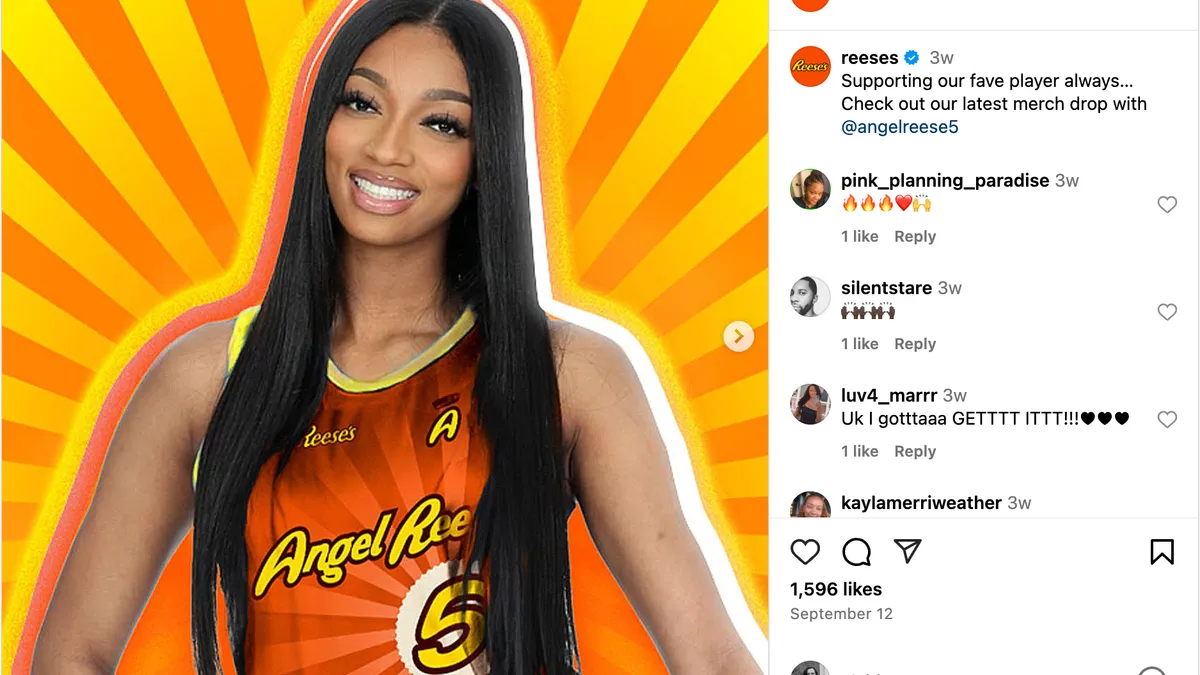
Athletes are among the most powerful influencers in sports marketing. Social media gives them direct access to millions of followers, allowing brands to collaborate with them in highly authentic ways.
Instead of relying only on traditional endorsements, brands now co-create content with athletes such as:
- Training routines featuring branded gear
- Behind-the-scenes content from events
- Lifestyle posts integrating sponsor products
- Personal storytelling around performance and preparation
Because fans trust athletes, this form of advertising feels more genuine and increases brand credibility significantly.
5. Creating Interactive and Shareable Campaigns
Social media thrives on interactivity, and sports advertising benefits greatly from this. Brands design campaigns specifically to encourage participation and sharing.
Examples include:
- Branded challenges (e.g., trick shots, fitness challenges)
- User-generated content contests
- Meme-based campaigns during tournaments
- Fan prediction games and quizzes
When users actively participate, they naturally spread the campaign to their own networks. This peer-to-peer sharing multiplies reach without additional media spend.
6. Strengthening Sponsorship Visibility
Sports sponsorships are traditionally visible on jerseys, stadiums, and broadcast graphics. Social media enhances this visibility by continuously highlighting sponsorship elements in digital content.
For instance, a team’s sponsored kit may appear in the following:
- Match highlights
- Training videos
- Player interviews
- Fan-edited content
Additionally, brands can repurpose these assets into short-form videos optimized for social platforms. This ensures that sponsorship value extends well beyond the live event itself.
7. Driving Targeted Advertising and Retargeting
Social media platforms offer advanced targeting capabilities that allow sports advertisers to reach specific audience segments. Brands can target users based on:
- Sports interests
- Geographic location
- Age and demographics
- Viewing behavior
Furthermore, social media enables retargeting. If a user engages with a sports campaign, such as watching a video or clicking a post, they can later be shown follow-up ads that guide them further down the marketing funnel.
This combination of awareness and precision targeting makes sports advertising significantly more efficient.
8. Building Long-Term Fan Communities
Beyond individual campaigns, social media helps brands build long-term communities around sports. These communities consist of fans who consistently engage with content, participate in discussions, and follow updates.
Brands can nurture these communities by:
- Posting regular behind-the-scenes content
- Sharing athlete stories
- Celebrating fan contributions
- Providing exclusive digital experiences
Over time, this strengthens brand loyalty and creates ongoing engagement that extends beyond a single campaign or season.