

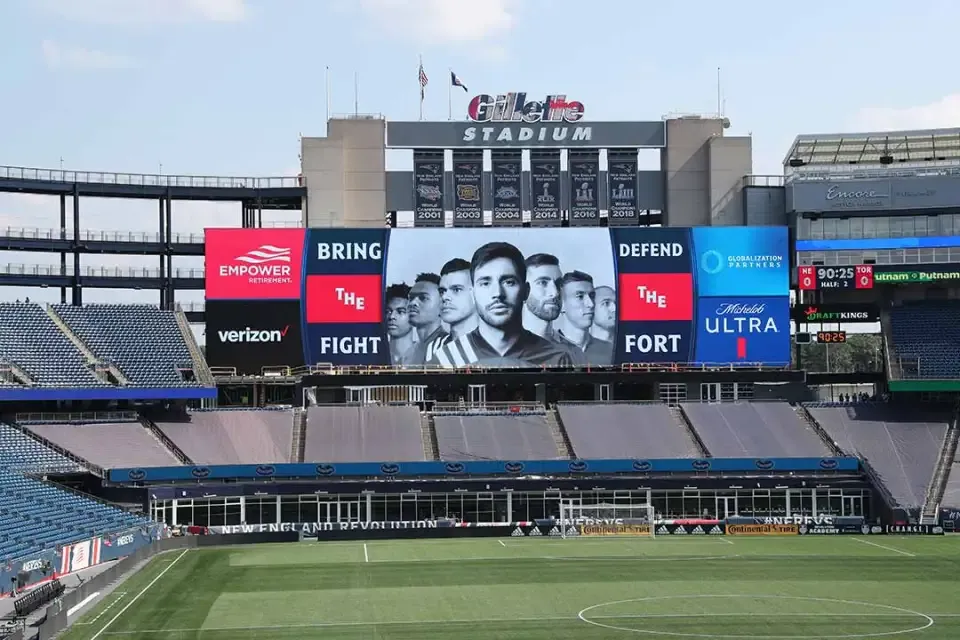
How to Advertise at Sports Stadiums
By Khuzaima Yamman
Apr 28 2026, 3 min read
Advertising at sports stadiums is one of the most powerful forms of sports marketing because it places brands directly in front of highly engaged live audiences while also gaining massive visibility through TV broadcasts and social media coverage. Stadium advertising often works hand in hand with sports sponsorship strategies, where brands build deeper partnerships with teams, leagues, or events to maximize exposure and engagement. This combination requires a clear approach that includes rights acquisition, format selection, creative execution, and activation planning.
1. Understand Stadium Advertising Opportunities
Before planning a campaign, it is important to understand what types of advertising spaces exist inside and around stadiums.
Common stadium advertising options:
- Pitch-side LED boards
- Static perimeter boards
- Big screens and scoreboards
- Stadium roof and façade branding
- Seat branding and banners
- Tunnel and player entrance branding
- Hospitality lounge sponsorships
- Fan zone activations outside the stadium
Why it matters:
Each placement offers different visibility levels and audience engagement opportunities.
2. Secure Advertising Rights
Stadium advertising is usually controlled by:
- Sports leagues
- Event organizers
- Stadium owners
- Media rights agencies
How brands access it:
- Direct sponsorship deals with teams or leagues
- Partnership with event organizers
- Media buying through OOH or sports marketing agencies
Why it matters:
You cannot place ads in stadiums without proper rights or sponsorship agreements.
3. Choose the Right Advertising Format
Different formats serve different marketing goals.
High-impact formats:
- LED perimeter boards (visible on TV broadcasts)
- Giant stadium screens
- Pitch-side static boards
Engagement-focused formats:
- Fan zone activations
- Interactive kiosks
- QR code-based campaigns
Premium branding formats:
- Jersey sponsorships
- Stadium naming rights
- VIP lounge branding
4. Align With the Right Sport and Event
Choosing the right sport is critical for audience targeting.
Examples:
- Football: global mass audience
- Cricket: strong regional engagement (Asia, Middle East)
- Tennis: premium and affluent audience
- Motorsports: tech-savvy and luxury-focused viewers
Why it matters:
Different sports attract different demographics, so alignment improves relevance and ROI.
5. Create High-Impact Visual Content
Stadium audiences are often watching fast-moving action, so ads must be simple and bold.
Best practices:
- Use large & readable fonts
- Focus on minimal text
- Use strong colors and contrast
- Highlight logos clearly
- Keep messaging short and memorable
Example:
Instead of long copy, use simple messages like “Fuel the Game” or “Play Strong”.
6. Integrate Broadcast Visibility
A major advantage of stadium advertising is TV exposure.
Key considerations:
- LED boards should be camera-visible
- Branding should appear during key match moments
- Ensure logo placement is not blocked by play action
Why it matters:
Millions of viewers watching on TV or streaming platforms multiply the value of stadium ads.
7. Plan Fan Engagement Activities
Activation ideas:
- QR codes for discounts or contests
- Live fan polls during matches
- Social media hashtag campaigns
- Free giveaways or merchandise booths
- AR/VR experiences in fan zones
Why it matters:
Engagement increases emotional connection and brand recall.
8. Leverage Sponsorship Integration
Instead of just placing ads, brands can integrate deeply into the event.
Options include:
- Official partner of the event or league
- “Player of the Match” sponsorship
- Half-time show sponsorship
- Official hydration or technology partner
Why it matters:
Sponsorships create stronger credibility and long-term brand association.
9. Coordinate with Event Organizers
Successful stadium advertising requires close coordination.
Key coordination areas:
- Ad placement schedules
- Screen rotation timing
- Branding approval processes
- Broadcast integration rules
Why it matters:
Proper coordination ensures smooth execution and maximum visibility.
10. Measure Campaign Performance
After execution, performance must be analyzed.
Key metrics:
- Stadium audience attendance
- TV and streaming impressions
- Social media mentions
- Website traffic spikes
- Brand recall surveys
- Sales impact during campaign period
Why it matters:
Measurement helps determine ROI and optimize future stadium campaigns.