

How Do You Sell Sponsorships for a Formula E Team?
By Aneesa Umber
Sep 03 2026, 9 min read
Selling sponsorship for a Formula E team requires a clear commercial proposition. Brands need to understand why the team is relevant to their business, what they receive from the partnership and how Formula E can support their wider marketing or commercial objectives.
The process starts well before a sponsorship proposal is presented. Teams need to understand their available rights, identify companies with a strong strategic fit and develop an offer around what those businesses are trying to achieve.
Formula E sponsorship involves creating a relationship between the brand and the team. That relationship needs enough relevance and commercial value to justify a longer term investment.
Build a Clear Sponsorship Proposition
Before approaching brands, a Formula E team needs to define what makes its sponsorship proposition commercially valuable.
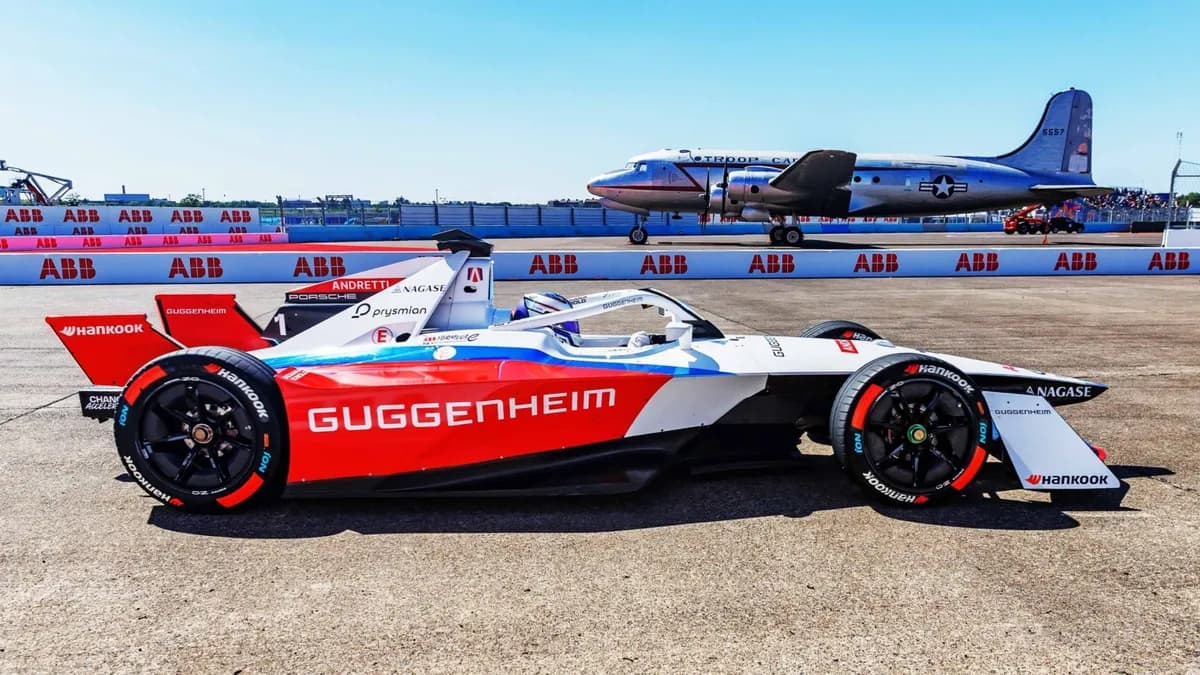
Car branding is an important part of that proposition, but it should not be the entire sales story. Depending on the available rights, teams can potentially offer access to drivers, content, hospitality, team intellectual property, digital channels, fan experiences and B2B opportunities.
The proposition should bring these assets together around several clear areas of value.
For example, a team could offer an international technology company a combination of visible team association, executive hospitality and content opportunities. A consumer brand may be more interested in driver-led content, prominent branding and opportunities to engage fans.
This gives the commercial team something more meaningful to sell than a collection of logo positions.
Target Brands With a Genuine Connection to Formula E
The quality of the prospect list has a direct impact on the quality of the sponsorship pipeline.
Formula E naturally creates connections with sectors including technology, automotive, mobility, energy, engineering, financial services and telecommunications. However, industry relevance alone does not make a company a suitable sponsor.
Commercial timing matters.
A business entering a new international market may have a reason to use Formula E to increase visibility and build relationships. A technology company launching a new product could see value in the championship's association with innovation. A company already investing heavily in international sport may have the structure and experience required to manage another major partnership.
Strong prospects usually have several points of alignment rather than one superficial connection.
This is where detailed prospect research can make sponsorship outreach considerably more focused.
Understand the Brand Before Selling the Team
One of the most important stages happens before the sponsorship deck is created.
The commercial team needs to understand what the prospective sponsor is trying to achieve.
A brand seeking global awareness requires a different proposition from a company primarily interested in meeting customers. The same applies to businesses focused on product launches, recruitment, market expansion or corporate relationships.
This information changes which sponsorship rights should be presented.
For example, there is little value in making hospitality the centre of a proposal for a company whose primary objective is mass consumer awareness. Likewise, a package dominated by visible branding may overlook what a B2B company actually values.
The Formula E team remains the platform, but the brand objective determines how that platform should be sold.
Turn Team Rights Into a Relevant Sponsorship Package
Once the commercial objective is understood, the available team rights can be packaged accordingly.
Formula E sponsorship rights can potentially include:
- Race car branding
- Driver race suits
- Teamwear
- Garage branding
- Team intellectual property
- Driver appearances
- Digital and social content
- Hospitality
- Fan engagement
- Product integration
- B2B opportunities
- Category exclusivity
A sponsorship package does not become stronger simply because more rights are included.
The stronger package is the one where the sponsor can understand why each important asset is relevant.
For a B2B company, this might mean combining team association with hospitality and access to senior stakeholders. For a consumer business, greater emphasis could be placed on visible branding, driver content and fan-facing opportunities.
This makes the sponsorship easier to explain internally when the prospective partner takes the proposal to senior management.
Use the Formula E Calendar as a Commercial Asset
Formula E's international race calendar can play an important role in sponsorship sales.
Instead of presenting the calendar simply as evidence of global reach, teams can connect individual race markets with the prospective sponsor's commercial footprint.
A brand may have particularly important customers, offices, retailers or growth plans in selected Formula E destinations. Those races then become more commercially relevant within the proposal.
For example, the wider team partnership can provide an international platform while selected race weekends become focal points for customer engagement, hospitality, local marketing or corporate activity.
This gives the sponsor a clearer picture of where the partnership can work for its business.
It is also an important part of selling wider motorsport sponsorship, where the relevance of individual markets can influence the value of a partnership.
Make the Sponsorship Proposal Specific to the Brand
The sponsorship proposal should bring together everything learned during the sales process.
It should show the brand:
- Why the partnership is relevant
- Which objectives it can support
- Which Formula E team rights are available
- How those rights have been selected
- Where the partnership could be used
- What level of investment is required
Visual mock-ups can also make the opportunity more tangible. Seeing the company's identity on the car, driver race suit or team environment helps decision-makers picture the partnership.
Most importantly, the proposal should feel as though it could only have been created for that company.
Replacing the logo on a standard deck while keeping the same commercial story for every prospect weakens that relevance.
Sell the Commercial Value, Not Just the Exposure
Visibility matters in Formula E sponsorship, particularly when branding appears on cars, drivers and team assets.
However, exposure alone can make the sales conversation too narrow.
The commercial value may also come from access to customers, association with the team, hospitality, content rights, market-specific opportunities or the ability to use the partnership within the sponsor's own communications.
This matters when discussing the investment.
Instead of reducing the entire proposition to the estimated value of logo exposure, the team can demonstrate how several rights work together.
It also creates more room to build different partnership levels around different commercial needs.
Present the Opportunity in Person Where Possible
A sponsorship proposal is more effective when it supports a commercial conversation rather than replacing one.
Presenting the opportunity gives the team an opportunity to understand how the prospective sponsor reacts to individual elements of the package.
The sponsor may value certain rights much more than expected. Other elements may have little relevance.
That feedback is useful.
The package can then be refined around the assets that have the greatest commercial importance, making the next stage of the conversation more focused.
It also allows the team to address concerns around budget, timing, exclusivity or internal approval while the opportunity is still being developed.
Protect Value During Sponsorship Negotiations
Negotiation does not have to mean discounting the sponsorship fee.
When there is a gap between the proposed investment and the sponsor's available budget, the rights package can be reviewed.
Branding prominence, hospitality, driver access, digital rights, category exclusivity, geographic usage and contract duration can all affect the value of a Formula E partnership.
Reducing some of those rights can create a more appropriate sponsorship level without simply offering the original package for less money.
Likewise, greater investment can justify additional rights or stronger exclusivity.
This is where experienced sports sponsorship negotiation can help maintain a clear relationship between the rights being offered and their commercial value.
Turn the First Agreement Into a Longer Term Partnership
Closing the sponsorship agreement should not be the end of the commercial process.
Once the partnership begins, the team gains much better information about what the sponsor genuinely values. Some rights may become central to the relationship, while others may be used less frequently.
That information can shape future commercial discussions.
If hospitality becomes particularly valuable, it may be expanded. If certain markets become more important to the sponsor, future activity can concentrate there. New team assets may also create opportunities to develop the agreement.
Starting these conversations throughout the partnership creates a stronger basis for renewal than waiting until the contract is close to expiring.
Selling Formula E Sponsorship Comes Down to Relevance
A Formula E sponsorship becomes easier to sell when there is a clear reason for the brand to invest.
That requires more than presenting the team, audience figures and available branding. The commercial team needs to identify the right companies, understand what they are trying to achieve and connect those objectives with rights the team can genuinely provide.
At World Sports Advertising, we work across sports sponsorship and motorsport to help brands and rights holders develop commercially relevant partnerships. Our work covers sponsorship strategy, rights opportunities, negotiation and activation.
If you are looking to secure commercial partners for a motorsport property or develop your sponsorship proposition, get in touch with World Sports Advertising to discuss your objectives.
FAQs About Selling Sponsorships for a Formula E Team
How do you find sponsors for a Formula E team?
Start with brands that have a clear commercial fit with Formula E, the team or its race markets. The strongest prospects usually align through audience, business objectives, international growth plans or sectors such as technology, mobility, energy and financial services.
How should you approach a potential Formula E sponsor?
The approach should explain why the partnership is relevant to that specific brand. Use its current priorities, target markets or commercial objectives to create a clear reason for the conversation rather than sending a generic sponsorship deck.
What should a Formula E sponsorship proposal include?
A proposal should outline the commercial opportunity, relevant team rights, branding assets, market relevance, partnership duration and required investment. It should be built around the prospective sponsor rather than using the same package for every company.
Who should you contact when selling Formula E sponsorship?
Relevant decision-makers can include sponsorship directors, partnership teams, CMOs, marketing directors, brand directors and regional marketing leads. Larger deals may also involve senior management, procurement and legal teams.
How do you negotiate a Formula E sponsorship deal?
Focus on the complete rights package rather than price alone. Branding prominence, exclusivity, hospitality, driver access, content rights, geographic usage and contract duration can all be adjusted to create a commercially suitable agreement.