

What are the responsibilities of a sports marketer working in advertising?
By Khuzaima Yamman
Apr 07 2026, 5 min read
A sports marketer working in advertising plays a dynamic role in sports, branding, and audience engagement. Their primary responsibility is to promote sports teams in a way that captures attention, builds loyalty, and drives revenue. This role requires a mix of creativity, strategic thinking, market awareness, and strong communication skills. Below is a overview of the key responsibilities of a sports marketer in advertising.
1. Developing Marketing Strategies
One of the core responsibilities of a sports marketer is to create effective marketing strategies tailored to specific campaigns. This involves identifying target audiences, setting campaign goals, and selecting the most appropriate advertising channels.
Sports marketers analyze fan demographics, behavior, and preferences to design campaigns that resonate. For example, promoting a football tournament may require a different tone and platform compared to marketing a fitness brand. The strategy must align with the brand’s objectives, whether it is increasing ticket sales, boosting merchandise revenue, or enhancing brand visibility. In many cases, professionals collaborate with a sports sponsorship agency to align brand partnerships with broader campaign goals.
2. Brand Management and Positioning
Sports marketers are responsible for maintaining and enhancing the brand image of the organization or client they represent. This includes ensuring consistent messaging across all advertising platforms.
They carefully craft brand narratives that connect emotionally with fans. In sports, emotions play a significant role, so marketers often highlight passion, teamwork, and achievement. Strong brand positioning helps differentiate a team, athlete, or product from competitors and builds long-term loyalty.
3. Campaign Planning and Execution
Executing advertising campaigns is a key responsibility. Sports marketers oversee the planning, development, and rollout of campaigns across multiple channels such as outdoor advertising, digital media, social platforms, and broadcast.
They coordinate with designers, content creators, media planners, and vendors to ensure campaigns are delivered on time and within budget. This includes managing timelines, approving creatives, and monitoring campaign performance.
4. Sponsorship and Partnership Management
Sponsorship is a major component of sports advertising. Sports marketers identify potential sponsors and negotiate partnerships that benefit both parties.
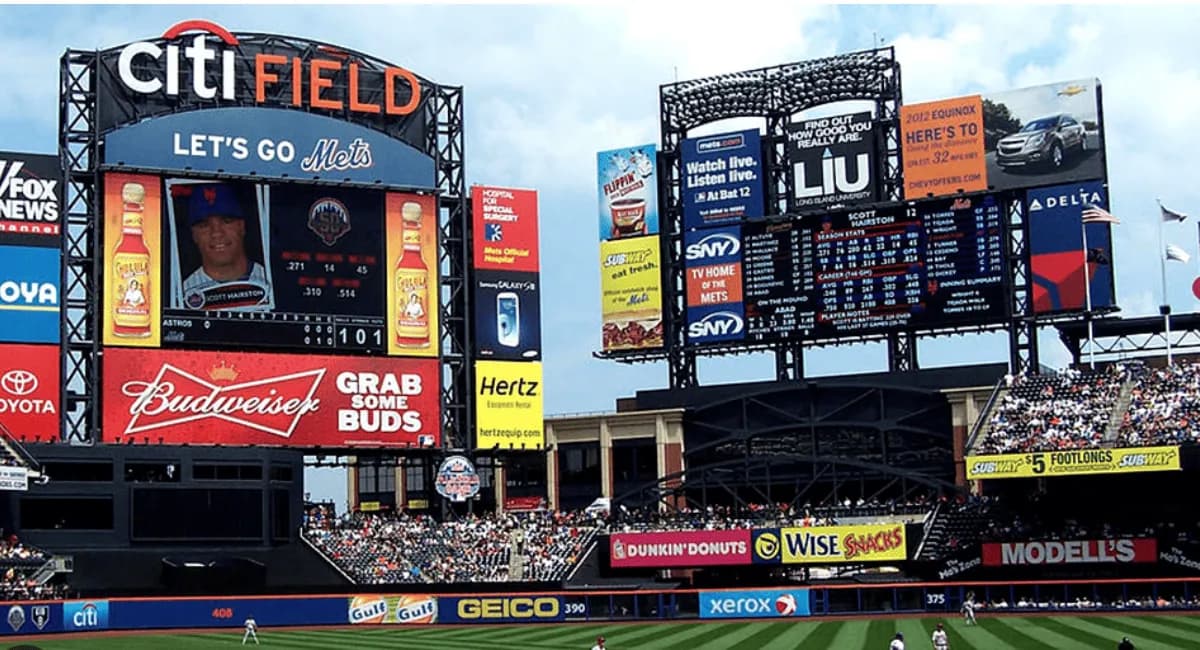
They ensure that sponsors receive adequate visibility through branding opportunities such as stadium signage, jerseys, digital ads, and event promotions. Managing these relationships effectively is crucial for long-term collaboration and revenue generation. For instance, working with a football sponsorship agency can help secure high-value partnerships within major leagues and tournaments.
5. Audience Engagement and Fan Experience
Engaging fans is at the heart of sports marketing. Marketers design campaigns that encourage interaction and participation, both online and offline.
This may include social media contests, live event activations, fan meet-and-greets, and interactive advertising formats. The goal is to create memorable experiences that deepen the connection between fans and the brand.
6. Content Creation and Storytelling
Content plays a vital role in sports advertising. Sports marketers are often involved in creating or overseeing content such as videos, social media posts, blogs, and advertisements.
Storytelling is especially powerful in sports, where narratives of perseverance, victory, and rivalry resonate strongly. Marketers use these stories to build emotional connections and keep audiences engaged.
7. Market Research and Analysis
Understanding the market is essential for effective advertising. Sports marketers conduct research to identify trends, consumer behavior, and competitor strategies.
They use data analytics tools to measure campaign performance, track audience engagement, and evaluate return on investment (ROI). Insights gained from this analysis help refine future campaigns and improve effectiveness.
8. Media Planning and Buying
Choosing the right platforms for advertising is another critical responsibility. Sports marketers decide where and when ads should be placed to maximize reach and impact.
This could involve selecting outdoor advertising locations, digital platforms, television slots, or sports venues. Effective media planning ensures that the target audience is reached efficiently and cost-effectively.
9. Budget Management
Managing budgets is a key part of the role. Sports marketers allocate resources across various advertising channels and ensure that campaigns stay within financial limits.
They must balance creativity with cost-efficiency, making decisions that deliver maximum impact without overspending. Budget management also involves forecasting expenses and measuring financial performance.
10. Event Promotion and Activation
Sports marketers are heavily involved in promoting events such as matches, tournaments, and fan gatherings. They develop campaigns to increase attendance and generate excitement.
Event activation includes on-ground promotions, sponsorship displays, and interactive experiences that enhance the overall atmosphere. Successful event marketing can significantly boost brand visibility and revenue.
11. Digital Integration and Innovation
Modern sports marketing relies heavily on digital tools and platforms. Sports marketers integrate online and offline advertising to create cohesive campaigns.
They leverage social media, mobile apps, and data-driven technologies to reach audiences more effectively. Innovations such as augmented reality (AR), virtual reality (VR), and programmatic advertising are increasingly being used to enhance engagement.
12. Crisis Management and Reputation Handling
In the world of sports, unexpected issues such as controversies or negative publicity can arise. Sports marketers must be prepared to handle such situations carefully.
They develop communication strategies to protect the brand’s reputation and maintain public trust. Quick and transparent responses are essential in managing crises effectively.
13. Collaboration and Team Coordination
Sports marketing is a collaborative effort. Marketers work closely with internal teams, external agencies, sponsors, and media partners.
Effective communication and coordination ensure that all aspects of a campaign align with the overall strategy. Strong teamwork is essential for delivering successful advertising outcomes.
14. Monitoring Trends and Innovation
The sports and advertising industries are constantly evolving. Sports marketers must stay updated on the latest trends, technologies, and consumer preferences.
This includes keeping an eye on emerging platforms, new advertising formats, and changes in fan behavior. Staying ahead of trends allows marketers to create innovative and competitive campaigns.