

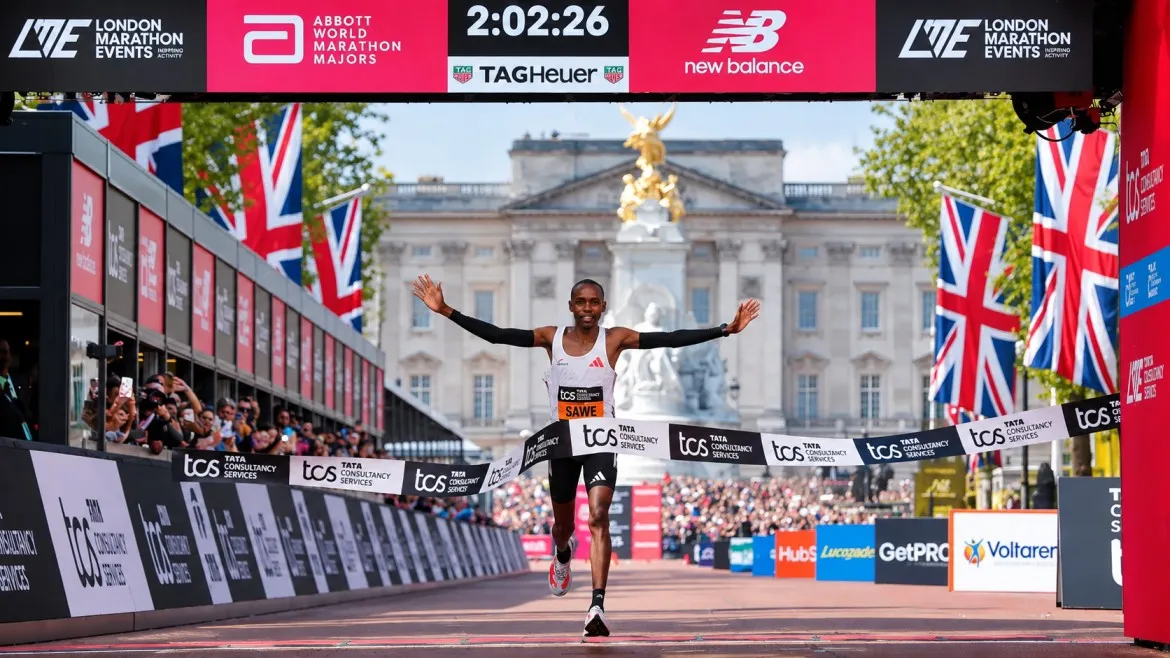
How Brands Can Use Sports Sponsorship Around Major Running Events
By Aneesa Umber
Sep 09 2026, 8 min read
Major running events create valuable sponsorship opportunities because the audience experience extends well beyond race day. Participants may spend months training, supporters plan where to watch, visitors travel into the host city and communities engage with the event across physical and digital channels.
For brands, this creates multiple points of engagement. A sponsorship can support runners during preparation, reach spectators on race day, create experiences around the event and continue through post race content.
The key is to avoid treating a running event as a one day branding opportunity. Effective sports sponsorship should be planned around the complete participant and spectator journey.
Why Running Events Create Strong Sponsorship Opportunities
Running has a broad audience. Major marathons, half marathons and city races bring together elite athletes, recreational runners, charity participants, corporate teams, volunteers, spectators and travelling supporters.
This gives brands several potential audiences within the same sporting environment.
Depending on the campaign, these can include:
- Runners training for the event
- Fitness and wellness audiences
- Friends and family supporting participants
- Spectators along the route
- Corporate teams and employees
- International visitors
- Local communities
- Digital audiences following event content
The important point for sponsors is that these groups should not be treated as one audience.
A campaign targeting runners will require a different activation strategy from one designed to engage spectators or corporate decision makers. Before considering sponsorship rights or branding opportunities, brands should define which audience matters and what they want that audience to do.
Start the Sponsorship Before Race Day
The commercial opportunity around a major running event can begin months before the starting gun.
Participants may spend this period following training programmes, buying equipment, planning travel, fundraising and engaging with running related content. As the event approaches, interest becomes increasingly focused on practical information such as transport, preparation, nutrition and race day logistics.
This creates a useful planning framework for sponsors.
During Training
Brands can support participants with useful content, training experiences, community initiatives or athlete led activity.
The aim should be to become relevant during preparation rather than waiting until the event itself.
In the Final Weeks
As race day approaches, messaging can move towards preparation, travel, motivation and the upcoming event.
This is also when wider advertising can help build visibility among spectators and the host city's broader audience.
On Race Weekend
Attention shifts towards the physical experience. Activations, hospitality, sampling, spectator engagement and outdoor advertising can become more prominent.
After the Finish
The opportunity does not disappear when runners cross the line.
Results, photographs, personal achievements and post race celebrations generate further content and engagement. Sponsors can use this period to continue the story rather than ending activity immediately after race day.
This training to finish line approach gives a sponsorship considerably more depth than concentrating the campaign into a single weekend.
Find a Useful Role Within the Running Experience
Visibility alone does not determine whether a sports sponsorship is effective.
A useful question during the planning process is:
What can the brand contribute that improves the experience for runners, spectators or the wider event audience?
There are several possibilities.
A brand might provide practical support during training, create a useful service at the event, improve spectator areas or give participants a memorable post race experience.
The role should reflect what the business actually stands for and what it wants to achieve.
For consumer brands, this could lead to product experiences, sampling or interactive activations. For B2B businesses, the opportunity may be more focused on employee participation, client hospitality, networking or corporate wellbeing.
This is where sponsorship strategy becomes important. The biggest available package is not automatically the most suitable. The right opportunity is the one that provides useful rights against a clearly defined commercial objective.
Use Event Expos to Reach Participants Before the Race
Race expos and pre-event environments can be particularly valuable because they provide direct access to participants when their attention is already focused on the event.
Instead of simply building a branded stand, sponsors should consider what runners actually need at this stage of their journey.
Useful activations can include:
- Product demonstrations
- Sampling
- Training or recovery support
- Personalisation
- Competitions
- Photo experiences
- Athlete or ambassador appearances
- Data capture
- Exclusive participant offers
The activation should be quick to understand and easy to participate in.
This is particularly important at busy events. A complicated experience that requires too much time can create friction, even when the underlying idea is strong.
Brands should also decide what happens after somebody interacts with the activation. If data is collected, there should be a clear follow up strategy. If products are sampled, measurement should consider whether participants subsequently search for, visit or purchase from the brand.
Create Experiences for Spectators as Well as Runners
Participants naturally receive significant attention during running events, but spectators represent another important audience.
They may spend several hours following runners around the course, waiting at viewing points and using transport, hospitality and leisure locations throughout the day.
Brands can create experiences specifically for them.
This could include branded cheer zones, supporter materials, entertainment, competitions, photo opportunities or digital experiences that help people follow and celebrate runners.
A useful activation gives spectators a reason to participate rather than simply surrounding them with logos.
There is also a practical advantage to considering spectators separately. Their motivations, dwell times and movement patterns differ from those of participants. Planning around these behaviours can produce more relevant brand interactions.
Use Running Sponsorship for B2B and Employee Engagement
Running sponsorship should not be viewed purely as a consumer marketing opportunity.
Major events can provide a strong platform for employee engagement and corporate relationships.
Brands can build activity around:
- Corporate running teams
- Employee wellbeing programmes
- Client participation
- Hospitality
- Fundraising
- Networking
- Internal competitions
- Training programmes
This can be particularly useful when a company's sponsorship objectives include employee engagement, relationship building or corporate reputation.
World Sports Advertising has previously examined the value of marathon sponsorship for B2B brands, including the opportunities created through corporate participation and wider event engagement.
The important distinction is that B2B sponsorship measurement may look different from a consumer campaign. A smaller number of meaningful client interactions could carry more commercial value than thousands of general engagements.
Build Content Around the Runner Journey
Running events naturally generate stories.
Training progress, setbacks, personal goals, fundraising, travel and completing the race can all provide material for sponsorship content.
Brands can build content around:
- Training journeys
- Runner profiles
- Athlete advice
- Behind the scenes preparation
- Community stories
- Race week content
- Spectator experiences
- Finish line moments
- Post race recovery
However, having access to a sporting event does not mean every piece of content will be interesting.
The content needs a purpose.
Training advice can provide practical value. Participant stories can create emotional engagement. Short form race day content can extend the campaign to audiences who are not physically present.
Content planning should therefore begin alongside sponsorship planning rather than being treated as an additional task after the rights have been secured.
Match the Sponsorship Level to the Objective
Brands do not necessarily need the largest sponsorship package available to create impact around running.
Opportunities can range from major event partnerships to more focused activation and media programmes.
Depending on the event, strategy and available rights, brands may consider:
- Official event sponsorship
- Category partnerships
- Athlete partnerships
- Experiential activations
- Corporate participation
- Hospitality
- Supporting media campaigns
- Content partnerships
This is where working with an experienced sports sponsorship agency can help.
Before pursuing an opportunity, we recommend establishing four things: the audience you want to reach, the business objective, the markets that matter and the budget available for both rights and activation.
These answers make it easier to evaluate whether a sponsorship opportunity is commercially relevant rather than simply attractive on paper.
Running sponsorship can be a strong fit when there is a clear relationship between the event audience and the brand's commercial objectives.
Before investing, brands should consider:
- The audiences they want to reach
- How relevant running audiences are to the brand
- Priority markets and locations
- The role the brand can credibly play
- Sponsorship rights that support the campaign objectives
- How those rights will be activated
- Opportunities before, during and after race day
- The KPIs that will define success
When these areas are clearly defined, brands can identify the event, rights package and activation approach that best fit the strategy.
If they are not yet clear, it may be better to refine the objectives before committing the budget.
Planning a Running Event Sponsorship
Major running events provide access to participants, spectators, communities, corporate audiences and international visitors across a much longer journey than race day itself.
The opportunity is strongest when the sponsorship is designed around that journey.
At World Sports Advertising, we help brands assess sports properties, sponsorship rights and activation opportunities against their audience, priority markets and commercial objectives. Our approach considers what happens beyond the sponsorship agreement, including how the partnership can be activated and extended through relevant media and audience touchpoints.
Considering a marathon, major running event or wider sports partnership? Get in touch with us to discuss the opportunities available and build a sponsorship strategy around the audiences and markets that matter to your brand.