

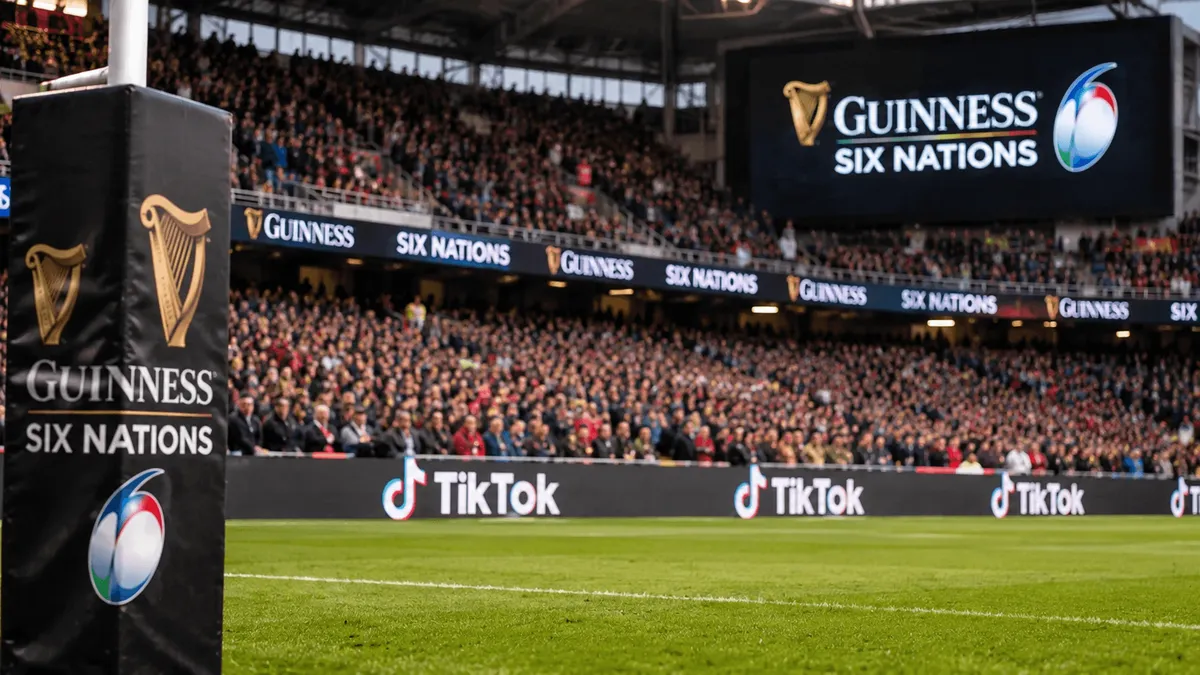
Six Nations 2027: Advertising & Sponsorship around Championship
By Khuzaima Yamman
Nov 24 2026, 6 min read
The 2027 Guinness Men's Six Nations Championship will take place from 5 February to 13 March 2027, bringing together England, France, Ireland, Scotland, Wales and Italy for one of international rugby's most established competitions.
The tournament will feature 15 matches across five rounds, with fixtures hosted in London, Dublin, Edinburgh, Cardiff, Paris and Rome.
For brands, the championship creates opportunities to reach rugby supporters through stadium advertising, broadcast campaigns, digital media, fan experiences and commercial partnerships.
With audiences following matches across several countries, marketing teams can develop campaigns that connect with supporters throughout the tournament.
Why Is the Six Nations 2027 Important for Advertisers?
The Six Nations attracts established rugby audiences across Europe, supported by national rivalries and strong broadcast coverage.
According to ITV's official audience report, the Ireland versus England match during the 2025 championship reached a peak audience of 5.2 million viewers across all devices. The match averaged 3.6 million viewers across all devices.
These figures demonstrate the audience potential surrounding major Six Nations fixtures, particularly matches involving established international rivalries.
For brands, the tournament offers several commercial advantages:
- Access to rugby audiences across six European markets.
- Advertising opportunities around major international fixtures.
- Brand visibility through broadcast and digital channels.
- Corporate hospitality and relationship-building opportunities.
- Campaign activity extending across several weeks.
The championship's structure also allows advertisers to plan around individual matches or maintain visibility throughout the competition.
Six Nations 2027: Key Dates and Fixtures
According to the official Six Nations 2027 fixture announcement, the championship begins with Ireland hosting England in Dublin on 5 February.
Several fixtures will be particularly relevant for brands planning advertising around major rugby occasions.
- 5 February: Ireland vs England, Aviva Stadium, Dublin.
- 14 February: England vs France, Allianz Stadium, London.
- 21 February: France vs Scotland, Stade de France, Paris.
- 6 March: Wales vs England, Principality Stadium, Cardiff.
- 13 March: England vs Scotland, Allianz Stadium, London.
- 13 March: Ireland vs France, Aviva Stadium, Dublin.
The final day, known as Super Saturday, will feature three matches and conclude with Ireland facing France in Dublin.
For marketing teams, these confirmed dates provide a foundation for planning campaign launches, media bookings and hospitality activity.
What Advertising Opportunities Are Available Around Six Nations 2027?
1. Stadium Advertising and Matchday Visibility
Stadium environments offer opportunities for brands to reach supporters attending international rugby fixtures.
Depending on venue agreements and commercial rights, available formats may include perimeter advertising, digital displays, concourse media and approved fan-zone activations.
Key stadiums include Allianz Stadium in London, Aviva Stadium in Dublin, Principality Stadium in Cardiff, Scottish Gas Murrayfield in Edinburgh, Stade de France in Paris and Stadio Olimpico in Rome.
Brands should distinguish between official tournament inventory, national union commercial rights and advertising opportunities controlled by individual venues.
Availability will depend on existing sponsorship agreements and media ownership.
2. Broadcast and Connected TV Advertising
Television remains an important channel for reaching Six Nations audiences.
Brands can explore advertising opportunities around live coverage, pre-match programming, post-match analysis and digital streaming, depending on the broadcaster and territory.
Connected TV campaigns may also help advertisers reach selected audience groups through supported streaming platforms.
For international brands, broadcast planning should consider differences in media rights, advertising inventory and audience behaviour across markets.
3. Digital and Social Media Campaigns
The Six Nations creates opportunities for digital campaigns built around fixtures, team performances and supporter conversations.
Brands can develop creative for different stages of the championship, from the opening weekend through to Super Saturday.
Potential activity includes:
- Matchweek advertising across digital platforms.
- Rugby-themed social media campaigns.
- Video advertising around relevant sports content.
- Brand partnerships with approved rugby personalities.
- Fan engagement campaigns linked to major fixtures.
Any use of official tournament branding, match footage or protected intellectual property requires appropriate permissions.
4. Outdoor Advertising Around Host Cities
Brands can extend their tournament activity through advertising in the cities hosting Six Nations matches.
Transport hubs, major roads, shopping districts and approved locations near stadiums can provide visibility among residents, travelling supporters and business audiences.
For example, campaigns in London may focus on transport connections serving Allianz Stadium, while activity in Cardiff can target central locations used by matchday visitors.
Location selection should reflect the audience profile, match schedule and expected travel patterns.
How Can Brands Benefit From Six Nations Sponsorship?
Sports sponsorship can help brands establish a longer-term association with rugby through official partnerships, national team agreements or approved commercial programmes.
Potential opportunities include:
- Official championship partnership rights.
- National rugby union partnerships.
- Player or ambassador agreements.
- Licensed promotional campaigns.
- Corporate hospitality and business networking.
The commercial value of each opportunity depends on the rights package, audience access, activation permissions and brand objectives.
Companies should confirm whether a proposed partnership provides official status, category exclusivity, content rights or access to players and events.
These distinctions are important when evaluating investment.
Which Industries Should Consider Six Nations Advertising?
The championship provides opportunities for brands across several sectors.
Financial services and insurance companies may use rugby partnerships to strengthen corporate visibility and support client engagement.
Automotive brands can explore stadium media, broadcast advertising and premium hospitality opportunities.
Technology and telecommunications companies may develop campaigns around connectivity, performance and digital fan experiences.
Travel and hospitality businesses can target supporters travelling between host cities, while consumer brands may focus on retail promotions and matchday engagement.
For senior marketing leaders, the priority is to identify where the tournament's audience aligns with commercial objectives.
How Should Brands Measure Campaign Performance?
Measurement should begin before advertising activity launches.
Useful indicators include estimated media reach, broadcast impressions, brand awareness, digital engagement, website traffic and qualified business enquiries.
For hospitality programmes, companies may also assess client attendance, relationship development and subsequent commercial opportunities.
Where possible, advertisers should use brand studies and campaign-specific tracking to evaluate results.
Planning for Six Nations 2027
The Six Nations 2027 provides a defined calendar of major sporting events across six European markets.
Brands planning activity around the championship should establish their target audience, select relevant fixtures and confirm commercial rights before committing media budgets.
A coordinated strategy across stadium environments, broadcast channels, digital platforms and host-city advertising can support visibility throughout the tournament.
For CMOs and business leaders, the opportunity lies in selecting partnerships and media placements that connect rugby audiences with measurable business objectives.