

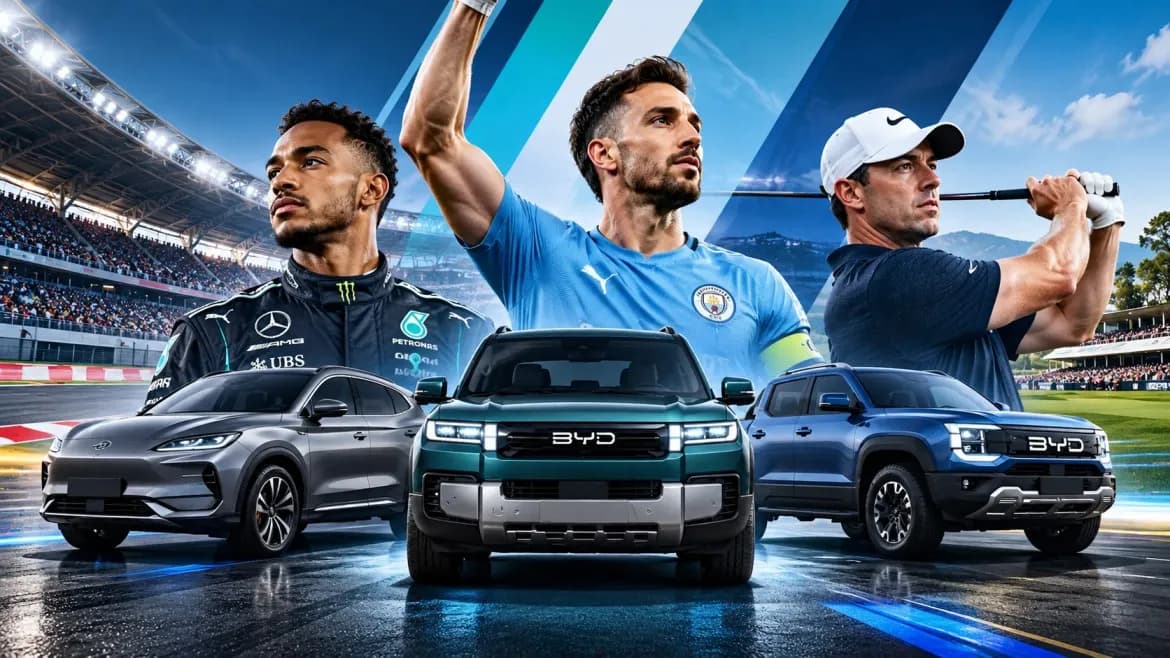
Sports Sponsorship for Automotive Brands
By Aneesa Umber
Oct 07 2026, 9 min read
Sports sponsorship gives automotive brands a platform to put vehicles, technology and brand stories in front of audiences through events they already follow.
The opportunity extends across motorsport, football, golf, tennis and other major sports. A partnership can support a vehicle launch, strengthen awareness in priority markets, create test drive opportunities, host customers or generate content around the brand.
For automotive marketers, the starting point should be the commercial objective. The sport, property and sponsorship rights should then be selected around the audience the brand wants to reach and the action it wants them to take.
Why Sports Sponsorship Works for Automotive Brands
Cars are physical products. Customers often want to see them, experience them and understand what makes one model relevant to their needs.
Sport creates several ways to make that happen.
A sponsorship can give an automotive brand access to venues, athletes, teams, events, hospitality and fan experiences. Those rights can then become vehicle displays, content, competitions, test drives, dealership activity or product demonstrations.
The partnership can also provide a consistent story throughout a season.
For brands operating internationally, global sports properties can provide one central platform that is activated differently across individual markets.
Motorsport Creates a Natural Automotive Connection
Motorsport sponsorship has an obvious relevance for automotive companies because the product category is closely connected with engineering, performance and mobility.
Formula 1, MotoGP, endurance racing and other championships provide different audiences, markets and commercial opportunities.
Depending on the property, rights can include:
- Team sponsorship
- Car branding
- Driver partnerships
- Trackside advertising
- Hospitality
- Fan activations
- Digital content
- Product displays
- Race weekend campaigns
Formula 1 in particular gives automotive brands access to an international calendar and a range of partnership options, from team relationships to individual Grand Prix activity. World Sports Advertising's current F1 offering includes team sponsorship, car branding, trackside advertising, race partnerships and fan activations.
The value comes from selecting the rights that have a clear use beyond logo exposure.
Automotive Sponsorship Can Extend Beyond Motorsport
An automotive brand does not need to sponsor motorsport for the partnership to make sense.
The audience may point towards another sport.
Football can provide broad consumer reach and strong local market relevance. Golf can offer opportunities around premium audiences, hospitality and customer relationships. Tennis provides an international calendar with opportunities across individual tournaments and players.
The right choice depends on the people the brand needs to influence.
A family focused SUV may have a very different audience from a performance car, luxury vehicle or commercial fleet product. The sponsorship strategy should reflect those differences.
This is why audience fit should come before assumptions about which sport an automotive company is expected to sponsor.
Vehicle Launches Can Become Part of the Sponsorship
A new model launch gives the sponsorship a specific commercial purpose.
The vehicle can be introduced through an event, athlete partnership, fan activation or hospitality programme. Supporting media can then extend the campaign beyond people attending the event.
For example, an automotive brand could reveal a new model around a major sporting weekend and use the partnership to create:
- Vehicle displays
- Athlete or driver content
- Social campaigns
- Competitions
- Influencer activity
- VIP experiences
- Local advertising
- Dealer events
- Test drive registrations
This gives audiences several ways to encounter the new model during the launch period.
The sponsorship rights need to be secured early enough for these activities to be planned properly.
Put the Vehicle Where Fans Can Experience It
Physical activation is particularly valuable for automotive brands.
A vehicle displayed at a fan zone, hospitality area or sporting venue gives people an opportunity to see the product at close range.
The experience can become more interactive through technology demonstrations, configurators, simulators or product specialists.
The next step should also be clear.
Someone interested in the vehicle could scan a QR code to configure the model, find a local dealer or request a test drive.
That turns the sponsorship activation into a measurable customer journey.
Use Athletes and Drivers to Create Automotive Content
Athlete partnerships can give automotive campaigns a recognisable personality.
Depending on the rights agreement, a player or driver could participate in product launches, social content, advertising, appearances or customer events.
The selection should be based on fit.
Consider the athlete's audience, markets, personality and relevance to the vehicle being promoted. The partnership also needs sufficient content and image rights for the planned campaign.
In motorsport, driver partnerships can be particularly useful when the brand wants to communicate around performance, technology or driving experience.
The athlete should have a clear role in the campaign rather than appearing simply because their name is available.
Connect Sponsorship With Dealership Activity
One of the strongest opportunities for an automotive sponsor is connecting a national or international partnership with local dealerships.
A major sponsorship can generate attention at scale. Dealers can then turn that attention into activity closer to purchase.
Activation could include:
- Ticket competitions
- Test drive events
- Vehicle displays
- Customer evenings
- Athlete appearances
- Local social campaigns
- Hospitality competitions
- Limited edition offers
A customer who sees the sponsorship nationally can then encounter a related promotion at their nearest dealership.
This connection between sponsorship and the retail network gives the partnership a clearer route towards commercial results.
Use Hospitality for Customers and Business Relationships
Automotive companies often have several audiences beyond individual car buyers.
Fleet customers, leasing businesses, distributors, dealers, suppliers and corporate partners can all be important.
Sports hospitality can create an environment for developing those relationships.
Motorsport is particularly relevant here. Race weekends can combine sporting access with customer entertainment and business conversations. World Sports Advertising's motorsport guidance identifies hospitality and relationship building as an important commercial use of sponsorship, especially for B2B brands.
The value should be measured commercially. Track which customers attended, which prospects were hosted, what meetings took place and whether opportunities progressed afterwards.
Build Campaigns Around Priority Automotive Markets
International automotive brands do not need to activate every sponsorship identically in every country.
Start with the markets that matter commercially.
A brand may have a new vehicle arriving in the UAE, growth targets in the United States and established awareness in the UK. The same international partnership can play a different role in each location.
One market might receive a vehicle launch and outdoor campaign. Another could focus on dealership activation. A third may use hospitality and digital content.
This approach is particularly relevant to international motorsport. A global racing partnership can provide a central platform while individual race markets receive activity based on local business priorities.
EV Brands Can Use Sponsorship to Demonstrate Technology
Electric vehicle brands often need to communicate product features that customers may want to understand before purchasing.
Sports sponsorship can provide a setting for demonstrating areas such as vehicle technology, design, connectivity and charging.
The activation should focus on the aspects of the vehicle that genuinely matter to the target customer.
For example, an event experience could introduce visitors to the vehicle, allow them to explore its technology and provide a simple route to book a test drive.
Content from the partnership can then explain those features to a wider digital audience.
This gives the sponsorship a practical role in product education.
Sponsorship Rights Need an Activation Plan
Buying sponsorship rights is the beginning of the campaign.
The brand still needs to decide how those rights will be used.
Before signing a partnership, automotive marketers should establish whether the package provides access to the assets they actually need. These could include athlete content, intellectual property, hospitality, vehicle displays, event access, social media rights or geographic activation rights.
Our experience in Formula 1 sponsorship shows how this works in practice. Our motorsport work includes activity involving the Komatsu and Williams Racing partnership and the SAP GROW campaign around the Miami Grand Prix.
These types of campaigns demonstrate why the commercial rights around a partnership matter as much as the visible sponsorship asset.
Measure Automotive Sponsorship Against Business Goals
Automotive sponsorship should be measured against the objective established before the partnership begins.
For awareness, brands can consider:
- Reach
- Media exposure
- Brand awareness
- Branded search
- Social engagement
- Campaign recall
For vehicle consideration, useful indicators can include:
- Vehicle configurator visits
- Model page traffic
- Brochure requests
- Dealer searches
- Test drive registrations
Further down the customer journey, brands can examine:
- Qualified leads
- Dealership visits
- Test drives completed
- Finance enquiries
- Fleet enquiries
- Vehicle orders
- Sales
Hospitality should have its own measures, including customers hosted, meetings secured and sales opportunities influenced.
A sponsorship does not need to rely on one metric. The measurement framework should show how audience exposure connects with the automotive customer journey.
Building the Right Automotive Sponsorship Strategy
The strongest sports sponsorship for an automotive brand starts with a clear reason for investing.
A new vehicle may require launch visibility and test drives. A luxury marque may prioritise premium audiences and customer hospitality. An EV brand could focus on technology and product experience. An automotive company entering a new country may need awareness within that specific market.
Once the objective is clear, the sport, rights, markets and activation can be selected around it.
At World Sports Advertising, we help automotive brands assess sports sponsorship opportunities based on their audiences, markets and commercial objectives. Our approach can cover property selection, sponsorship rights, activation and wider campaigns around the partnership.
Planning your next automotive campaign? Get in touch with World Sports Advertising to identify sports sponsorship opportunities that fit your vehicles, target markets and commercial goals.