

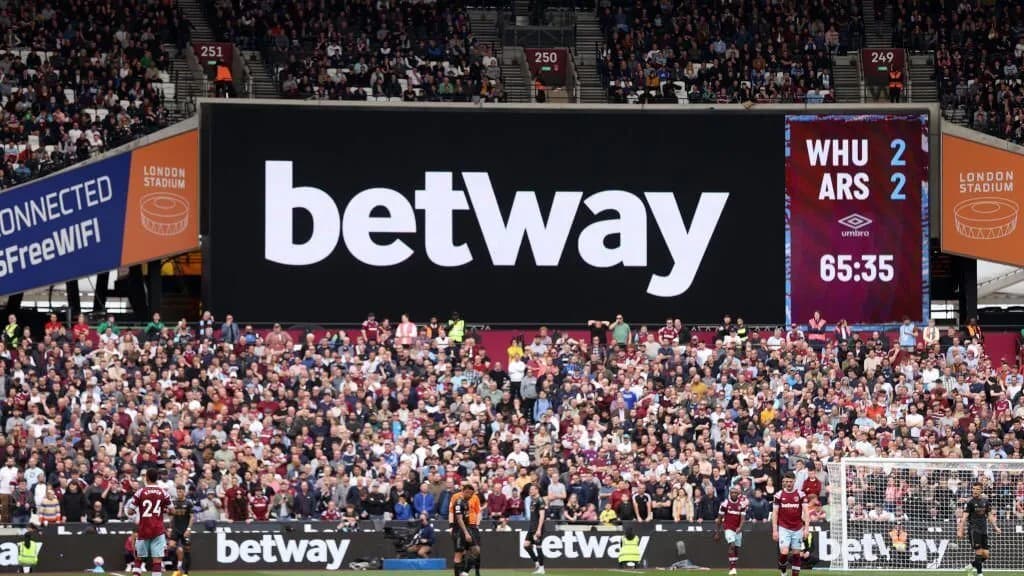
Top Strategies for Sportsbook Advertising in Stadiums
By Khuzaima Yamman
Apr 28 2026, 2 min read
Sportsbook advertising in stadiums is a highly competitive and regulated space, so success depends on precision targeting, strong branding integration, real-time engagement, and responsible messaging. Since audiences are already emotionally invested in live sports, the goal is to capture attention without disrupting the viewing experience.
1. Secure Official Sponsorship Rights
The most effective strategy is to become an official betting partner of a league, team, or stadium.
Why it works:
- Guaranteed brand visibility across the venue
- Integration into official broadcasts and signage
- Higher credibility and trust among fans
Examples of placements:
- “Official Betting Partner” designations
- Sponsored match segments or statistics
2. Use High-Visibility LED Perimeter Boards
LED boards around the pitch or court are one of the most powerful stadium assets in modern sports advertising.
Best practices:
- Rotate short & clear messages
- Use bold branding (logo + simple CTA)
- Align ads with match flow (key moments & breaks)
Why it works:
These boards are repeatedly shown on live broadcasts.
3. Focus on Responsible Betting Messaging
Regulations in many markets require responsible advertising.
Strategies:
- Include “18+” and responsible gambling messages
- Promote safe betting habits
- Avoid overly aggressive calls-to-action
Why it matters:
It builds trust and ensures compliance with legal and league requirements.
4. Leverage Broadcast Exposure
Stadium ads are most valuable when they appear on TV or streaming platforms.
Key tactics:
- Position branding in camera-visible areas
- Use clean & readable designs for fast TV shots
- Align with replay zones and key camera angles
Why it works:
Millions of viewers see the brand beyond the stadium audience.
5. Create Fan-Focused Activations
Engagement increases effectiveness significantly.
Activation ideas:
- Predict-the-score contests
- Live polls during matches
- Fan zones with interactive betting simulations
Why it works:
It turns passive viewers into active participants.
6. Use Data-Driven Targeting
Modern sportsbook campaigns rely heavily on audience data.
Applications:
- Target specific matchdays or rivalries
- Adjust messaging based on teams playing
- Focus on high-traffic fixtures (derbies & finals)
Why it works:
Better targeting improves conversion rates and reduces wasted exposure.
7. Align with Peak Match Moments
Timing is critical in stadium advertising.
Best moments for visibility:
- Kickoff or opening moments
- Halftime breaks
- Substitutions or stoppages
- Final minutes of close games
Why it works:
Audience attention peaks during emotionally intense moments.
8. Combine Stadium Ads with Digital Campaigns
Stadium advertising works best when integrated with digital channels.
Examples:
- Social media campaigns running during matches
- Retargeting users who saw stadium ads
- Live betting promotions tied to in-game events
Why it works:
It creates a multi-touchpoint experience that reinforces messaging.
9. Partner with Athletes or Influencers (Where Allowed)
In some regions, sportsbooks collaborate with sports personalities.
Options:
- Retired athletes as brand ambassadors
- Analyst endorsements
- Social media partnerships tied to matchdays
Why it works:
Familiar faces increase trust and engagement.