

Why Is Esports Advertising Growing Faster Than Traditional Sports Advertising?
By Khuzaima Yamman
May 19 2026, 4 min read
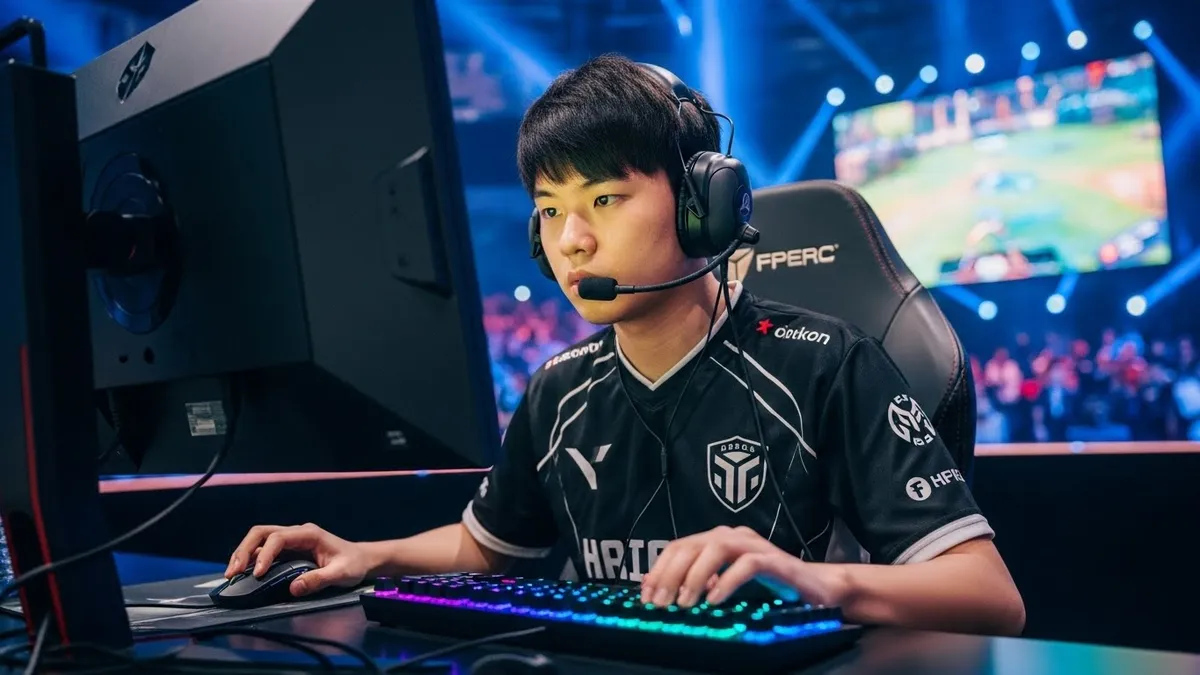
Esports advertising is growing faster than traditional sports advertising because it matches the way modern audiences consume content. While traditional sports still dominate global viewership and legacy sponsorship deals, esports is expanding quickly due to its online nature, engagement levels, and measurable marketing performance.
Below is a quick breakdown of why this shift is happening.
1. Shift to Younger, Digital-First Audiences
One of the biggest reasons for esports growth is its audience.
Esports attracts Gen Z and millennials who:
- Spend more time online than watching TV
- Prefer streaming over broadcast television
- Engage with interactive content rather than passive viewing
Popular competitive games like League of Legends, Valorant, and Counter-Strike 2 have built massive global communities that are constantly online.
For advertisers, this audience is highly valuable because they are harder to reach through traditional media channels.
2. Higher Engagement Compared to Traditional Sports
Traditional sports audiences usually watch games passively on TV or in stadiums. In contrast, esports audiences are highly interactive.
Fans:
- Chat live during streams
- Follow players on social media
- Join Discord communities
- Engage with influencers and streamers in real time
This creates a deeper connection between the audience and the content. As a result, advertisements are not just seen; they are discussed, shared, and engaged with.
3. Global Accessibility Without Barriers
Traditional sports are often limited by geography, broadcasting rights, and regional popularity.
Esports is different.
Anyone with an internet connection can watch tournaments live from anywhere in the world.
Major events like the League of Legends World Championship attract millions of viewers across Asia, Europe, the Middle East, and the USA simultaneously.
This global accessibility allows advertisers to run campaigns that instantly reach multiple regions without separate TV deals or broadcasting limitations.
4. Better Data and Measurable ROI
A major advantage of esports advertising is precise measurement.
Digital platforms allow advertisers to track the following:
- Impressions
- Click-through rates
- Engagement time
- Viewer retention
- Conversion rates
In traditional sports advertising, especially television or stadium ads, it is difficult to measure exact impact.
Because esports is fully digital, brands can clearly see what works and optimize campaigns in real time. This makes esports far more attractive for performance-driven marketing.
5. Strong Influence of Streamers and Creators
Esports is closely connected with content creators and influencers. Professional players and streamers often have large & loyal audiences who trust their opinions.
Platforms like Twitch and YouTube Gaming have become key advertising ecosystems.
Brands can integrate through:
- Sponsored livestreams
- Product placements
- Gaming gear partnerships
- Creator collaborations
This type of marketing feels more natural and less intrusive compared to traditional ads.
6. Lower Cost and Flexible Sponsorship Options
Traditional sports sponsorships (like football, Formula 1, or NBA advertising) often require extremely large budgets.
Esports, however, offers:
- Lower entry costs
- Smaller event sponsorships
- Direct partnerships with teams or creators
- Scalable digital campaigns
This flexibility allows both global corporations and smaller brands to participate.
For example, a tech startup can sponsor a gaming team or influencer campaign without needing millions in budget.
7. Continuous Content Throughout the Year
Traditional sports operate on seasonal calendars. There are off-seasons, limited matches, and fixed tournament schedules.
Esports, however, run almost continuously:
- Daily streaming content
- Weekly tournaments
- Global competitions
- Constant ranked gameplay
This creates year-round advertising opportunities instead of short seasonal windows.
8. Rise of Mobile Esports and Emerging Markets
Mobile gaming has significantly expanded esports reach, especially in regions like the Middle East, South Asia, and Southeast Asia.
Games such as PUBG Mobile and Mobile Legends: Bang Bang have created massive competitive ecosystems.
This expansion into mobile platforms means esports is no longer limited to PC or console gamers; it now reaches billions of smartphone users globally.
9. Strong Brand Integration and Cultural Relevance
Many global brands are entering esports to stay relevant with younger audiences.
Companies like Nike, Red Bull, and Coca-Cola invest in esports because:
- It connects them to youth culture
- It strengthens digital presence
- It builds brand loyalty early
Esports is no longer niche; it is part of mainstream digital entertainment culture.
10. Advanced Digital Advertising Formats
Esports allow advertising formats that are difficult or impossible in traditional sports, such as the following:
- Virtual in-game branding
- Interactive overlays during live streams
- Real-time clickable ads
- Digital skins and branded items
These innovations make ads more engaging rather than disruptive.