

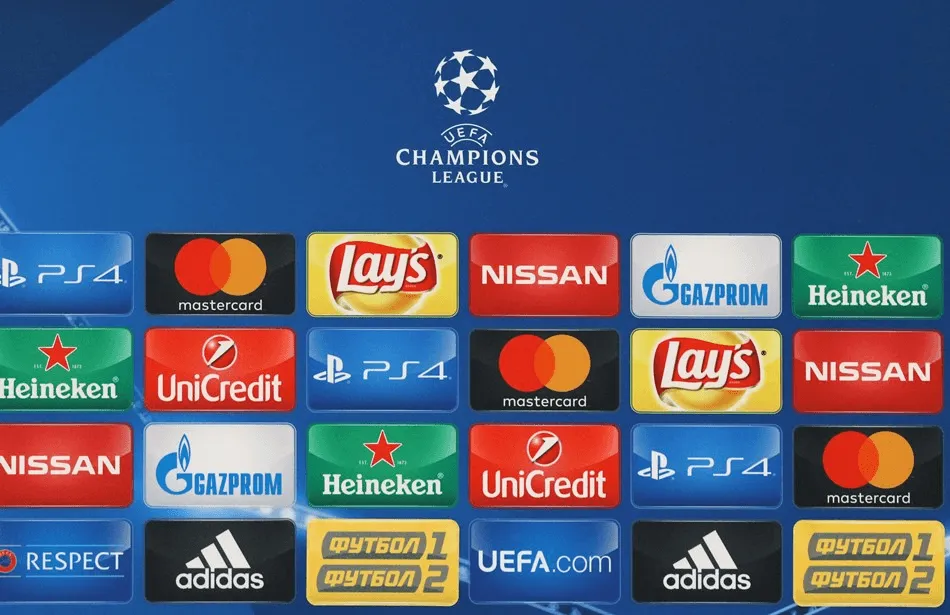
Why Sports Sponsorship Builds Strong Brand Loyalty?
By Khuzaima Yamman
May 20 2026, 4 min read
Sports sponsorship is one of the most effective ways for brands to build long-term loyalty. Unlike traditional advertising, which often focuses on short-term attention, sports sponsorship creates repeated emotional connections between a brand and its audience over time. This connection is what turns awareness into trust and trust into loyalty.
Below is a structured and easy-to-understand explanation of how this works.
1. Emotional Bonding Through Shared Experiences
Sports are deeply emotional. Fans experience excitement, disappointment, pride, and tension while watching their favorite teams and athletes. These emotions create strong psychological connections that last far beyond the match itself.
When a brand is consistently present during these moments, it becomes part of the emotional experience.
For example, global events like the FIFA World Cup or the Olympic Games bring people together in moments of national or global pride. If a brand is associated with these events, it becomes linked to those positive emotions in the minds of fans.
Over time, this emotional association naturally strengthens brand loyalty.
2. Trust Built Through Repeated Exposure
People tend to trust what they see repeatedly. Sports sponsorship ensures that a brand appears consistently across multiple touchpoints, including jerseys, stadiums, broadcasts, interviews, and social media content.
When fans repeatedly see a brand during their favorite sport, it becomes familiar. Familiarity reduces skepticism and increases trust.
For example, global brands like Nike and Adidas have built decades of loyalty partly through continuous presence in football, basketball, and global athletic events.
This repetition turns visibility into trust, and trust into loyalty.
3. Association With Heroes and Role Models
Athletes are powerful influencers. Fans admire their discipline, performance, and achievements. When a brand partners with a respected athlete, it gains indirect credibility through that association.
For example, athletes such as Cristiano Ronaldo and LeBron James are not just sports stars; they are global role models with massive influence.
When fans support these athletes, they often develop a positive attitude toward the brands they represent. This connection helps convert admiration for athletes into loyalty toward the sponsoring brand.
4. Long-Term Engagement, Not One-Time Ads
Traditional advertisements are often short-lived. A TV or digital ad may last seconds or minutes and then disappear.
Sports sponsorship, however, is long-term. Contracts often last for years, ensuring continuous brand presence across seasons, tournaments, and campaigns.
This long exposure builds deeper relationships with audiences. Fans grow up seeing the same brand connected to their favorite teams or sports moments, making it part of their personal sports experience.
Over time, this long-term consistency strengthens loyalty more effectively than short advertising bursts.
5. Shared Identity Between Fans and Brands
Sports create strong group identities. Fans often define themselves by the teams they support. This identity becomes part of their lifestyle and social interactions.
When a brand supports the same team or sport, it becomes part of that identity.
For example, if a fan strongly supports a football club and a brand is a long-term sponsor of that club, the fan is more likely to support that brand as well. This is because the brand feels like part of the fan’s community.
This sense of belonging is one of the strongest drivers of loyalty.
6. Positive Brand Perception Through Association
Sports are associated with positive values such as:
- teamwork
- discipline
- performance
- resilience
- achievement
When a brand is seen in this environment, it benefits from these positive associations. This improves how people perceive the brand overall.
For instance, companies like Coca-Cola have used sports sponsorships for decades to align themselves with celebration, happiness, and togetherness.
Positive perception naturally leads to stronger customer loyalty.
7. Digital Amplification Strengthens Relationships
In the modern era, sports moments are shared widely across social media platforms. Highlights, interviews, and behind-the-scenes content often go viral.
This means a brand’s visibility is not limited to live events. Instead, it continues online long after the game ends.
Fans repeatedly engaging with sports content on digital platforms strengthens their connection with the sponsoring brand, reinforcing loyalty over time.