

Why does sports sponsorship need to be part of every marketing strategy?
By Khuzaima Yamman
Apr 20 2026, 3 min read
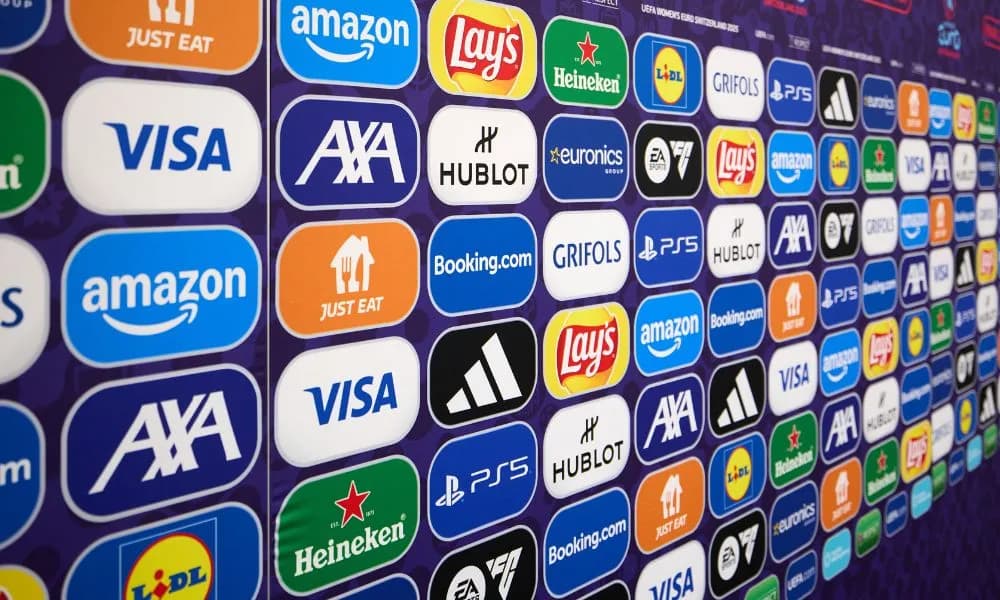
Sports sponsorship should be part of most modern marketing strategies because it connects brands with something few other channels can match: attention that is emotional, sustained, and culturally embedded. It also complements broader sports advertising efforts by reinforcing brand visibility across both live experiences and media channels.
1. It delivers highly engaged audiences
Sports audiences are not passive. Whether it’s football, cricket, basketball, or motorsports, viewers are emotionally invested in outcomes. That emotional intensity increases attention and recall. A logo on a jersey, a pitch-side board, or a stadium screen is seen while the viewer is fully focused, not multitasking or scrolling away.
This is fundamentally different from many digital ads, where attention is fragmented. In sports, attention is concentrated and sustained for long periods.
2. Strong emotional transfer to the brand
One of the biggest advantages of sports sponsorship is emotional association. When fans feel excitement, tension, or joy during a match, those emotions can transfer subconsciously to the sponsoring brand.
For example, when a brand sponsors a winning team or a major tournament, it benefits from positive sentiment already generated by the event itself. Over time, this builds brand affinity rather than just awareness.
This is why global events like the FIFA World Cup or the Olympics are among the most valuable sponsorship platforms in marketing. They are not just sporting events; they are emotional ecosystems.
3. Massive global and local reach
Sports operate at every scale. A local club sponsorship can dominate visibility in a specific city or community, while global events can deliver billions of impressions worldwide.
This flexibility is rare in marketing. A brand can:
- Target hyper-local fans through stadium sponsorships
- Build national presence through league partnerships
- Scale globally through international tournaments
Few channels offer this range of reach within a single strategy.
4. Long-term brand credibility
Sports sponsorship also builds credibility over time. When a brand is consistently associated with respected teams, leagues, or athletes, it signals stability and trustworthiness.
This is especially important in competitive industries like finance, telecom, automotive, and consumer goods, where trust influences purchasing decisions.
5. Multi-channel amplification (offline + digital synergy)
Modern sports sponsorship is no longer limited to stadium visibility. It now extends into digital ecosystems: social media posts, highlight reels, influencer collaborations, and live-stream integrations.
A single sponsorship can generate:
- TV exposure during live broadcasts
- Social media mentions and viral clips
- PR coverage and news mentions
- On-ground visibility in stadiums and fan zones
This makes sports sponsorship a multiplier rather than a standalone channel. It strengthens other marketing efforts, including performance marketing and brand campaigns.
6. Audience targeting through lifestyle alignment
Sports sponsorship is also powerful because it aligns with lifestyle segments. Different sports attract different demographics and psychographics.
For example:
- Football tends to have broad & global mass appeal
- Tennis often attracts premium and corporate audiences
- Motorsport appeals to tech-savvy and performance-oriented consumers
- Regional leagues connect deeply with local communities
This allows brands to align sponsorships with the exact audience mindset they want to reach, not just basic demographics.
7. Competitive differentiation
In many industries, advertising space is crowded and repetitive. Sports sponsorship offers differentiation because it is harder to replicate than digital ads or paid media campaigns. Securing a meaningful sponsorship creates a visibility advantage competitors cannot easily copy in the short term.