

Best F1 Sponsorship Examples and What Brands Can Learn
By Aneesa Umber
Sep 07 2026, 6 min read
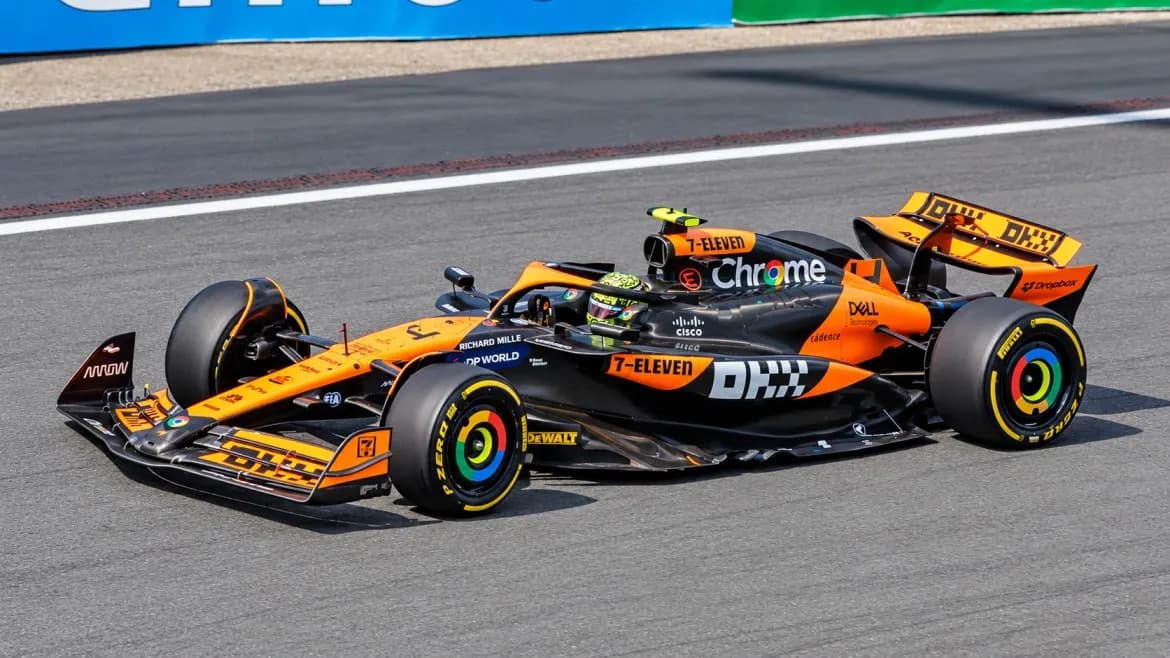
Some of the best F1 sponsorship examples show how brands can build a meaningful connection with the sport. Rolex has created a long term association with precision and prestige, Oracle and AWS demonstrate technology in action, while DHL links its logistics expertise with performance.
Heineken uses its partnership to promote responsible drinking, while LEGO reaches younger fans through product collaborations. Together, these examples show how effective Formula 1 sponsorship can connect a brand’s products, expertise or values with moments that matter to F1 audiences.
Here are some of the best examples in Formula 1 today, and what brands weighing up a motorsport sponsorship strategy can take from each one.
Rolex and the Value of a Long Term Partnership
Rolex has been the official timekeeper of Formula 1 since 2013, and its name now sits on race weekends themselves, such as the Formula 1 Rolex British Grand Prix.
That length of commitment matters. Rolex is not chasing a single season of visibility. It has built an association between its brand and precision, prestige and performance that only strengthens the longer the partnership runs.
The lesson: a sponsorship that renews year after year builds trust with fans in a way a one off campaign cannot.
Oracle Red Bull Racing and Technology Led Sponsorship
Oracle's partnership with Red Bull Racing goes beyond branding on the car. The team uses Oracle Cloud infrastructure to support race strategy, simulation and performance analysis, and that technical relationship is reflected in the team's own name.
The lesson: the strongest sponsorships often put the sponsor's actual product to work, rather than treating the partnership as advertising space alone.
AWS and the Mercedes-AMG Petronas F1 Team
Amazon Web Services powers much of the real time data shown to viewers during a race, including the F1 Insights graphics that appear on screen showing predicted pit stop windows, overtake probability and race strategy.
Viewers see AWS branding at the exact moment they are watching the data it makes possible. The sponsorship and the product experience are the same thing.
The lesson: sponsorship works best when the audience can see, not just hear, what the brand actually does.
Heineken and Responsible Drinking Messaging
Heineken has been a global partner of Formula 1 since 2016, and its "When You Drive, Never Drink" campaign has run consistently across race weekends since the partnership began.
Rather than a straightforward branding deal, this ties Heineken's sponsorship to a message that fits the sport, the drivers and the safety culture around motorsport.
The lesson: a sponsorship that reflects the brand's values, not only its product, tends to earn more goodwill from fans.
DHL and the Fastest Pit Stop Award
DHL is Formula 1's official logistics partner, and its name is closely associated with the Fastest Pit Stop Award presented at the end of each season.
Pit stops are one of the most watched moments of any race weekend. By attaching its name to the fastest one, DHL ties its own reputation for speed and precision directly to a moment fans already care about.
The lesson: finding one specific, ownable moment within a sport can do more for recognition than broad, general visibility.
LEGO and Bringing Motorsport to a Younger Audience
LEGO has taken a different route into Formula 1 through product collaboration rather than trackside sponsorship. Its LEGO Technic range has produced detailed build sets of cars from teams including McLaren and Mercedes-AMG, letting fans engage with motorsport away from the race weekend itself.
This approach reaches an audience that traditional sponsorship placements rarely touch directly, younger fans and families building an interest in the sport through play rather than broadcast.
The lesson: a brand does not need trackside signage or car livery to build a genuine motorsport association. A well matched product partnership can build the same connection with an entirely different audience.
Komatsu and Williams Racing
Komatsu's partnership with Williams Racing, planned with World Sports Advertising, shows how an industrial engineering brand can find genuine relevance in Formula 1. Komatsu's expertise in precision heavy machinery sits naturally alongside a sport built on engineering performance, giving the brand a platform to reach an audience it would rarely reach through traditional industrial marketing channels.
The lesson: a sponsorship does not need an obvious category fit to work. What matters is a genuine link between what the brand does well and what the sport represents.
FLOKI and Alfa Romeo F1
FLOKI's partnership with Alfa Romeo F1, also planned with World Sports Advertising, reflects how quickly Formula 1 sponsorship has grown to include newer, digital native categories. A crypto and Web3 brand stepping into one of the most traditional, prestige driven sports in the world is a bold move, and one that shows how F1 sponsorship can lend credibility and mainstream visibility to categories still building trust with a wider audience.
The lesson: F1 sponsorship is not only for automotive, tech and luxury brands. With the right strategy, it can work for emerging and digital first categories too.
What Brands Can Learn From These F1 Sponsorships
Align With Brand Values, Not Just Visibility
The strongest examples above are not simply logos on display. Heineken's safety messaging and DHL's speed association both connect the sponsor's own identity to something the sport already stands for.
Think Beyond the Car and the Track
Oracle and AWS show how a sponsorship can extend into the actual technology and data behind a team's performance, giving fans a reason to associate the brand with genuine expertise.
Consider Product Partnerships, Not Just Placements
LEGO shows that motorsport marketing does not have to mean a car livery deal. A product collaboration can build a genuine, lasting connection with an audience a traditional sponsorship would never reach.
Commit for the Long Term
Rolex's decade long partnership demonstrates that consistency compounds. A brand that stays visible across several seasons builds a stronger association than one that appears for a single year.
Find a Specific, Ownable Moment
DHL's Fastest Pit Stop Award shows the value of attaching a brand to one clear, recurring moment fans look forward to, rather than spreading a budget thinly across general exposure.
Planning an F1 or Motorsport Sponsorship Strategy
Formula 1 sponsorship sits at the premium end of sports marketing, but many of the same principles apply across motorsport, from Formula E to national touring car championships. Brands get greater value when the partnership is built around a clear objective, audience and activation strategy.
As an experienced F1 sponsorship agency, World Sports Advertising helps brands identify opportunities that align with their objectives and budget. Our wider sports sponsorship expertise covers global F1 partnerships and more focused motorsport opportunities.
If you're exploring F1 sponsorship or want to understand where your brand fits across the wider motorsport sponsorship landscape, our team can help you build a strategy shaped around real audience data, priority markets and commercial goals rather than guesswork.
Ready to make your move in motorsport? Talk to our sports sponsorship specialists about where your brand could fit next season.