

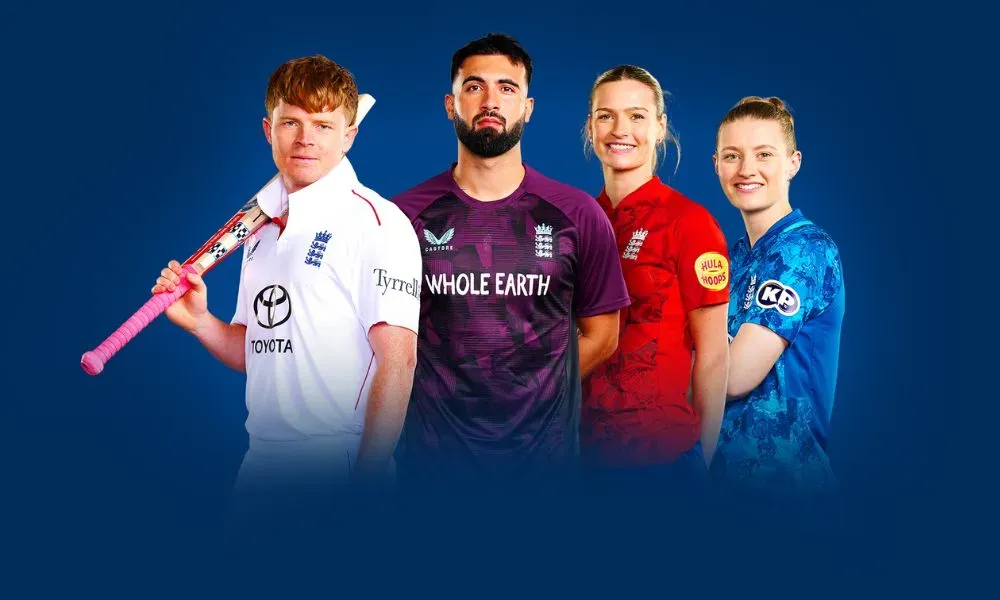
How to Calculate Cricket Sponsorship ROI
By Aneesa Umber
Oct 29 2026, 12 min read
Cricket sponsorship gives brands access to millions of fans across international tournaments, professional leagues and major sporting events. From team jerseys and stadium advertising to player partnerships and digital activations, sponsorship creates opportunities to build brand awareness, engage audiences and generate commercial value.
Measuring the return on that investment requires clear objectives and reliable performance data. Broadcast exposure, brand recognition, fan engagement and sales performance all contribute to understanding the effectiveness of a sponsorship.
For brands investing in cricket, the right measurement framework helps establish which sponsorship rights deliver value and where future investments can achieve stronger results.
What Is Cricket Sponsorship ROI?
Cricket sponsorship return on investment (ROI) measures the financial return generated by a sponsorship relative to its total cost.
The calculation considers sponsorship rights fees, activation expenses, creative production, supporting advertising and other campaign costs.
The standard formula is:
ROI (%) = [(Attributable Incremental Contribution Profit − Total Sponsorship Cost) ÷ Total Sponsorship Cost] × 100
For example, if a brand invests £200,000 in cricket sponsorship and generates £300,000 in attributable incremental contribution profit before sponsorship costs, the net financial return is £100,000, producing an ROI of 50%.
Sponsorship performance also includes outcomes that may take longer to translate into revenue. Brand awareness, purchase consideration, audience engagement and customer relationships provide important evidence of campaign effectiveness.
These indicators should be measured alongside financial ROI to understand the wider commercial impact of a sponsorship.
6 Key Metrics to Measure Cricket Sponsorship ROI
1. Broadcast Reach and Brand Exposure
Broadcast exposure is one of the most important measures of cricket sponsorship visibility, particularly during international tournaments and major T20 leagues such as the Indian Premier League (IPL).
Sponsors gain visibility through team jerseys, boundary boards, pitch branding, presentation backdrops and branded broadcast segments.
The main metrics include:
- Broadcast reach: The estimated number of unique viewers exposed to relevant match coverage.
- Brand impressions: The estimated number of opportunities for viewers to see sponsorship branding.
- Screen exposure time: The total duration a sponsor's branding appears during broadcasts.
- Share of voice: The proportion of measured sponsorship visibility achieved by a brand within a defined group of sponsors.
- Media exposure value: The estimated equivalent advertising value of the visibility delivered.
The prominence of a placement influences its effectiveness. Branding visible during wickets, player celebrations and close camera shots may attract greater audience attention.
For example, a team jersey sponsor can receive repeated exposure during live match coverage, player interviews, highlights and post match presentations.
Brands should assess the duration, frequency and quality of exposure to understand how effectively their sponsorship assets performed.
2. Brand Awareness and Sponsorship Recall
Brand awareness measures whether cricket audiences recognise a sponsor and associate it with a particular team, tournament or player.
This is especially relevant for brands entering new markets, launching products or building recognition among specific consumer groups.
Common measurement methods include:
- Unaided brand recall: The percentage of fans who can name the sponsor without prompting.
- Aided brand recognition: The percentage who recognise the brand when shown its name or logo.
- Brand consideration: Changes in the proportion of consumers considering the brand.
- Brand favourability: Changes in positive perceptions of the brand.
- Purchase intent: The percentage of consumers expressing an intention to purchase the sponsor's products or services.
Brand lift studies conducted before and after a tournament can identify changes in audience perceptions.
For example, if unaided sponsor recall increases from 12% before a tournament to 28% afterwards, the campaign has recorded a 16 percentage point improvement.
Comparing exposed audiences with suitable control groups can help determine how much of that increase is attributable to the sponsorship.
3. Social Media Engagement and Digital Performance
Cricket audiences follow teams, players and tournaments across Instagram, YouTube, Facebook and other digital platforms.
Sponsors can extend their presence through branded highlights, player interviews, social media collaborations, competitions and exclusive fan content.
Digital performance can be assessed through:
- Reach and impressions of sponsored content
- Video views and average watch time
- Likes, comments, shares and saves
- Engagement rates across campaign content
- Clicks to dedicated sponsorship landing pages
- Website visits and completed registrations
- Conversions generated through tracked campaigns
Engagement quality is an important consideration. Competition entries, product enquiries and completed registrations provide measurable evidence of audience interest.
For brands sponsoring cricket teams or individual players, digital performance can also help identify which content formats and personalities generate the strongest audience response.
4. Media Exposure Value
Media exposure value estimates the monetary worth of sponsorship visibility across television, streaming, online video and other media channels.
In cricket, this may include exposure from jersey branding, stadium advertising, official interviews, tournament coverage and press conferences.
Media valuation typically considers:
- Duration of brand visibility
- Size and prominence of the branding
- Audience reach and estimated impressions
- Position within the broadcast frame
- Clarity and quality of exposure
- Relevant advertising rates
For example, a brand whose logo appears repeatedly on boundary boards during televised matches may accumulate substantial exposure throughout a tournament.
Media valuation helps estimate the advertising equivalent of that visibility.
However, media exposure value should not be treated as financial ROI. It represents an estimated value of media visibility and does not establish how much profit the sponsorship generated.
5. Sales Performance and Customer Acquisition
Sales and customer acquisition metrics help brands assess whether cricket sponsorship contributes to measurable commercial outcomes.
A sponsorship may generate business through promotional offers, player campaigns, exclusive competitions, hospitality programmes and digital activations.
Important indicators include:
- Sales generated through sponsorship promotional codes
- Website conversions from dedicated landing pages
- Qualified leads and completed registrations
- Customer acquisition cost
- Incremental revenue in target markets
- Repeat purchases and customer lifetime value
For example, a financial services company sponsoring a T20 tournament could launch a dedicated campaign offering exclusive benefits to cricket fans.
Registrations generated through the campaign can be tracked and assessed against the sponsorship investment.
To calculate financial ROI accurately, brands should estimate the incremental contribution profit generated by these customers, accounting for sales that would have occurred without the sponsorship.
6. Hospitality and B2B Commercial Opportunities
Cricket sponsorship can create valuable opportunities for corporate hospitality, business networking and client engagement.
Premium match experiences, VIP hospitality packages and exclusive sporting events allow sponsors to develop relationships with clients, partners and prospective customers.
Performance can be measured through:
- Number of qualified business meetings
- New commercial opportunities generated
- Value of contracts secured
- Progression of sales opportunities
- Client retention and relationship development
For B2B brands, these outcomes may be particularly relevant when sponsorship supports longer sales cycles.
Tracking commercial opportunities beyond the tournament helps establish the value generated through hospitality and relationship building.
How to Calculate Cricket Sponsorship ROI
Calculating cricket sponsorship ROI begins with identifying the total investment and the financial return attributable to the campaign.
The total investment should include sponsorship rights, activation, production, supporting advertising, hospitality and measurement costs.
Consider a hypothetical brand investing in a professional cricket tournament sponsorship.
The brand spends £150,000 on sponsorship rights, £30,000 on activation and production, and £20,000 on supporting media and measurement. This brings the total investment to £200,000.
Following the campaign, the brand estimates that the sponsorship generated £300,000 in incremental contribution profit before sponsorship expenses.
The calculation is:
ROI = [(£300,000 − £200,000) ÷ £200,000] × 100 = 50%
In this example, the sponsorship generated a 50% financial return on the total investment.
Accurate attribution is essential. Brands should distinguish between sales generated by sponsorship activity and sales influenced by existing demand or other marketing campaigns.
How to Measure ROI Across Different Cricket Sponsorship Formats
Cricket sponsorship opportunities vary in their audience reach, visibility and commercial objectives. The measurement framework should reflect the rights included in each agreement.
Team and Jersey Sponsorship
Cricket team sponsorship provides visibility through playing kits, official team content, interviews and match coverage.
Performance is commonly assessed through broadcast impressions, logo exposure, fan engagement, brand recognition and commercial response.
For brands sponsoring teams in major T20 leagues, performance analysis can also examine audience exposure across different matches, markets and broadcast platforms.
Tournament Sponsorship
Tournament sponsorship can provide visibility across multiple matches, venues, broadcast environments and official promotional channels.
Relevant metrics include total campaign reach, sponsorship awareness, media exposure value, digital engagement and commercial outcomes.
Brands can assess how exposure changes throughout the tournament, particularly during opening matches, knockout rounds and finals.
Stadium and Boundary Advertising
Stadium advertising includes boundary boards, LED displays, perimeter branding and other approved advertising placements.
Measurement focuses on broadcast visibility, exposure duration, impressions and audience reach.
The position of the advertising asset, camera coverage and match schedule can influence the total exposure delivered.
Player Sponsorship and Endorsements
Player sponsorships allow brands to connect with audiences through individual athletes and their influence within the sport.
Performance indicators include sponsored content reach, engagement, brand association, promotional code usage and sales conversions.
Brands should also assess how effectively the player's audience aligns with their target market.
Digital Cricket Sponsorship
Digital sponsorships can include branded match highlights, sponsored content, live score integrations, streaming placements and social media campaigns.
These formats support direct measurement through impressions, clicks, video engagement, registrations and conversions.
Tracking links and campaign analytics help brands connect audience interactions with measurable outcomes.
How to Build an Effective Cricket Sponsorship Measurement Strategy
Define Clear Sponsorship Objectives
Every sponsorship should begin with a defined commercial purpose.
A consumer brand entering the Indian market may prioritise awareness and brand consideration, while a technology company targeting corporate clients may focus on lead generation and business relationships.
Objectives should be supported by measurable KPIs and agreed reporting periods.
Establish Performance Benchmarks
Before the sponsorship begins, brands should record existing awareness, website traffic, customer acquisition and sales performance.
These benchmarks provide a starting point for assessing changes during and after the campaign.
Previous sponsorship results, relevant audience research and comparable campaigns can help establish realistic targets.
Track Performance Throughout the Tournament
Cricket sponsorship performance can change significantly across a tournament.
Audience interest, match schedules, team performance and tournament progression can influence broadcast exposure and digital engagement.
Brands should monitor visibility, audience response and commercial performance throughout the campaign.
This allows activation teams to identify opportunities to improve content, promotional activity and audience engagement while the tournament is running.
Measure Incremental Commercial Impact
Incrementality measures the additional results generated because of the sponsorship.
Brands can use audience control groups, matched market comparisons, sales analysis and marketing mix modelling to estimate the sponsorship's contribution.
This is especially important when sponsorship activity runs alongside television, digital and other advertising campaigns.
Review Results and Future Opportunities
A final sponsorship report should bring together exposure, awareness, engagement and commercial performance.
The analysis should identify which sponsorship assets achieved their objectives, where the strongest audience response occurred and how effectively the campaign delivered against its budget.
These findings provide a basis for future sponsorship planning, activation improvements and rights negotiations.
Common Challenges in Measuring Cricket Sponsorship ROI
Attributing commercial results
Sales and customer acquisition may be influenced by several marketing activities running simultaneously. Appropriate attribution methods help estimate the contribution of sponsorship exposure.
Measuring audiences across platforms
Cricket fans consume matches through television, streaming services, social media and digital highlights. Audience figures must be assessed carefully to avoid counting the same viewers multiple times.
Evaluating long term brand impact
Sponsorship can influence awareness and consideration over several months or seasons. Ongoing brand tracking helps measure whether these effects continue after the tournament.
Comparing different sponsorship assets
Jersey sponsorship, tournament partnerships and stadium advertising deliver different types of exposure. Brands should assess each format against its agreed objectives and the rights included in the sponsorship package.
Plan Your Cricket Sponsorship with World Sports Advertising
Successful cricket sponsorship starts with the right sporting opportunity, clearly defined objectives and a measurement strategy aligned with your commercial goals.
At World Sports Advertising, we work with brands to identify and secure sponsorship opportunities across international cricket, professional leagues, teams and major sporting events. Our team manages sponsorship planning, rights selection and campaign activation, ensuring each investment is built around clear objectives.
Share your target markets, audience, objectives and budget with our team. We will help you explore suitable cricket sponsorship opportunities and establish a clear framework for measuring performance.
Contact World Sports Advertising to discuss your cricket sponsorship requirements.
FAQs
What is a good ROI for cricket sponsorship?
There is no universal benchmark for cricket sponsorship ROI. A successful return depends on the sponsorship cost, campaign objectives, audience, activation strategy and attributable financial results. Brands should evaluate performance against their agreed commercial targets.
How is cricket sponsorship value calculated?
Cricket sponsorship value can be assessed through broadcast exposure, brand awareness, fan engagement, media valuation and commercial performance. Financial ROI is calculated using the incremental financial return attributable to the sponsorship and its total investment cost.
How do brands measure cricket jersey sponsorship value?
Jersey sponsorship value is commonly measured through logo exposure, broadcast screen time, estimated impressions, brand recognition and fan engagement. Commercial performance can also be assessed through sales and conversions generated by associated sponsorship activations.
Can cricket sponsorship increase sales?
Yes. Cricket sponsorship can support sales by improving brand awareness, building consumer trust and encouraging audience engagement. Promotional codes, campaign landing pages, sales analysis and controlled measurement methods can help determine its incremental commercial impact.
What is the difference between sponsorship ROI and ROO?
Return on investment (ROI) measures the financial return generated relative to sponsorship costs. Return on objectives (ROO) evaluates performance against specific goals such as brand awareness, audience engagement, purchase consideration and relationship development.
How long does it take to measure cricket sponsorship ROI?
Broadcast exposure and digital engagement can be measured during and immediately after a tournament. Brand awareness studies and commercial attribution may require additional weeks or months. Longer term brand impact can be assessed across multiple sponsorship periods.