

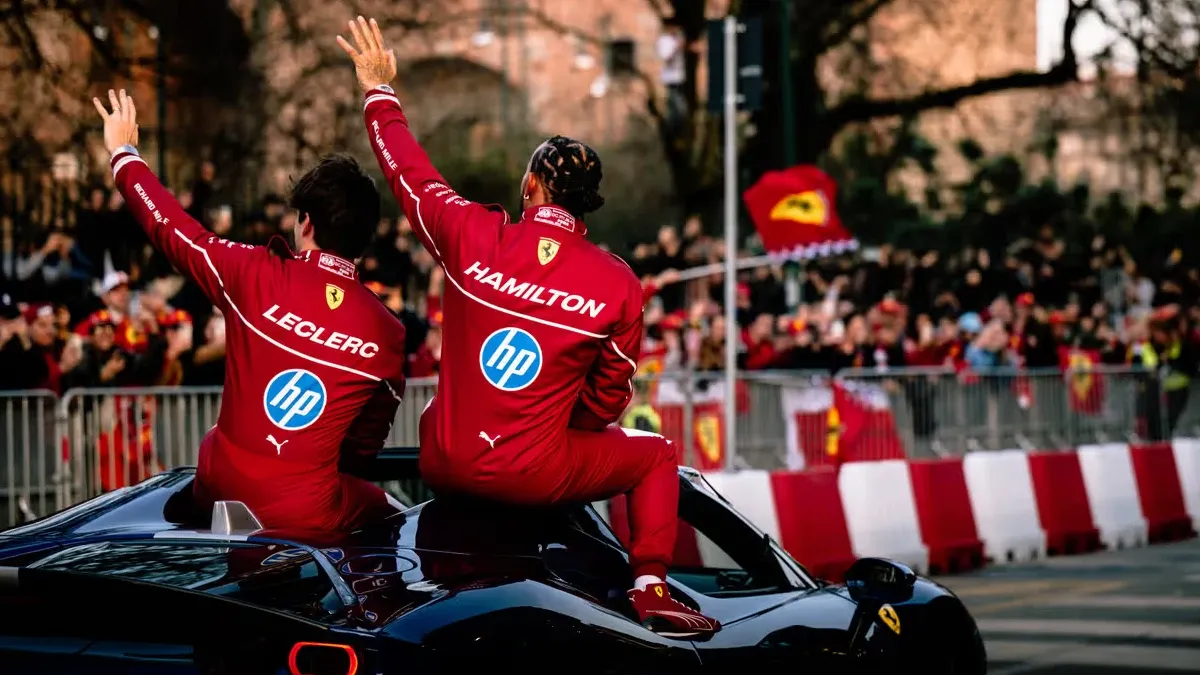
Targeting Gen Z Fans Through Sports Advertising
By Sophie Langford
Apr 02 2026, 8 min read
Gen Z has reshaped how sport is consumed and, in turn, how brands approach sports advertising. While this audience remains highly engaged with global sport, their attention is no longer centred solely on live matches or traditional broadcasts. Instead, engagement now extends across highlights, social media, athlete-led content, and ongoing digital conversations.
For brands, this shift presents a clear opportunity. Sports partnerships can still deliver scale, but their real value lies in how effectively they integrate into the wider experience that surrounds the sport itself. Campaigns that feel embedded within culture tend to resonate more strongly and remain relevant for longer.
Sport sits within a broader cultural ecosystem
For Gen Z audiences, sport exists alongside entertainment rather than in isolation. Football advertising, Formula 1 advertising, and UFC advertising now sit within the same attention space as music, fashion, gaming, and online content.
A single sporting moment can move quickly across platforms, turning into short-form clips, creator reactions, and fan-led discussions. This shift has made sports partnerships more dynamic, as brands look to extend their presence beyond one format or one environment.
Athlete driven storytelling carries greater weight
The relationship between fans and athletes has evolved significantly. Many Gen Z fans build stronger connections with individuals than with teams or leagues. Athletes are followed for their personalities, lifestyles, and perspectives, not just their performances.
This is where sports ambassadors play a central role. Campaigns built around athletes tend to feel more direct and engaging, particularly when they include behind-the-scenes access, training routines, or personal insights.
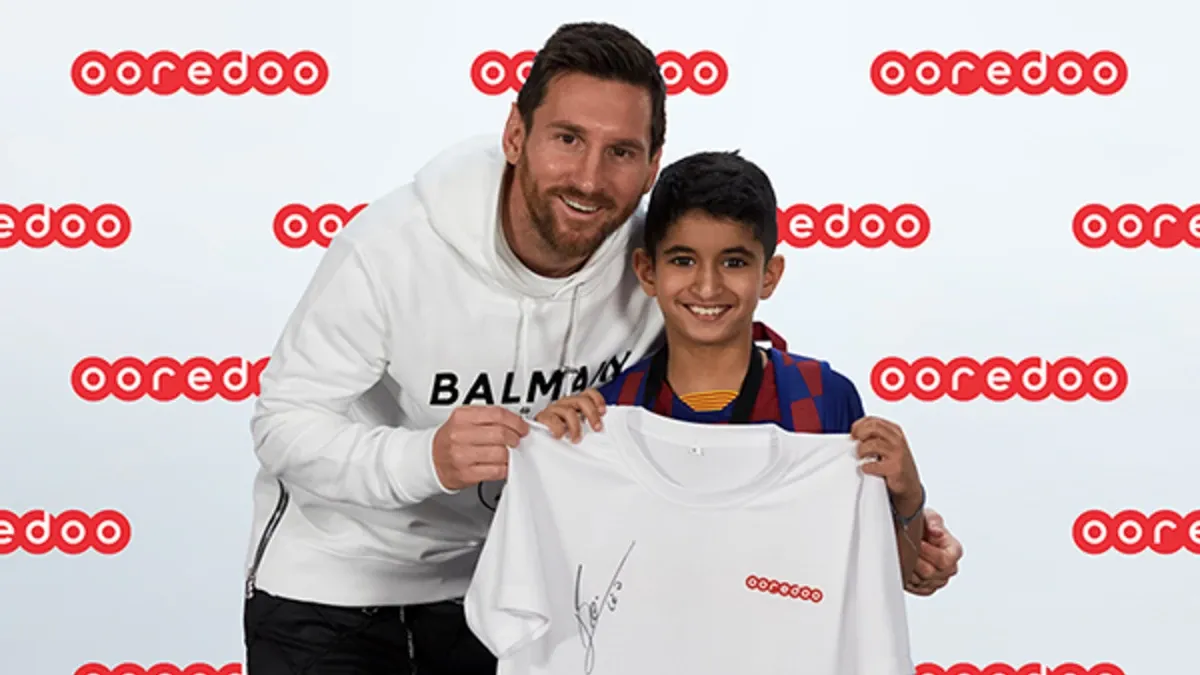
Global figures such as Messi and Ronaldo continue to demonstrate this influence. With what could be their final World Cup approaching, brands have a rare opportunity to connect with audiences through legacy-driven storytelling that already carries emotional weight.
Short form content shapes engagement
Content consumption habits have shifted heavily towards short-form formats. Gen Z audiences favour quick, high-impact content that fits naturally into their daily scrolling behaviour.
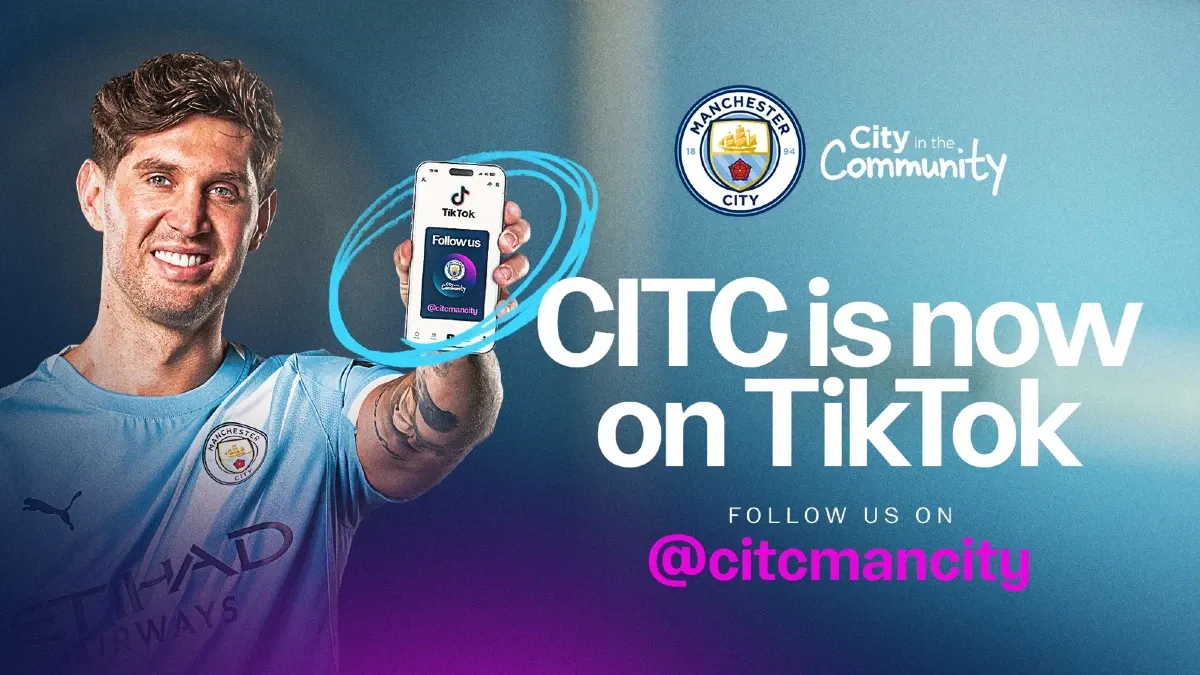
This has changed how sports advertising is executed. Instead of relying on long-form messaging, brands are focusing on moments that can travel quickly across platforms. Match highlights, reactions, and real-time edits often deliver stronger engagement than traditional campaign formats.
In football, this approach becomes particularly effective when combined with physical visibility. Formats such as perimeter advertising allow brands to appear both in-stadium and across digital channels simultaneously, reinforcing exposure through multiple touchpoints.
Creator led campaigns feel more natural
Gen Z places a high level of trust in creators and personalities they already follow. As a result, brands are increasingly collaborating with influencers, athletes, and digital creators to deliver campaigns that feel native to each platform.
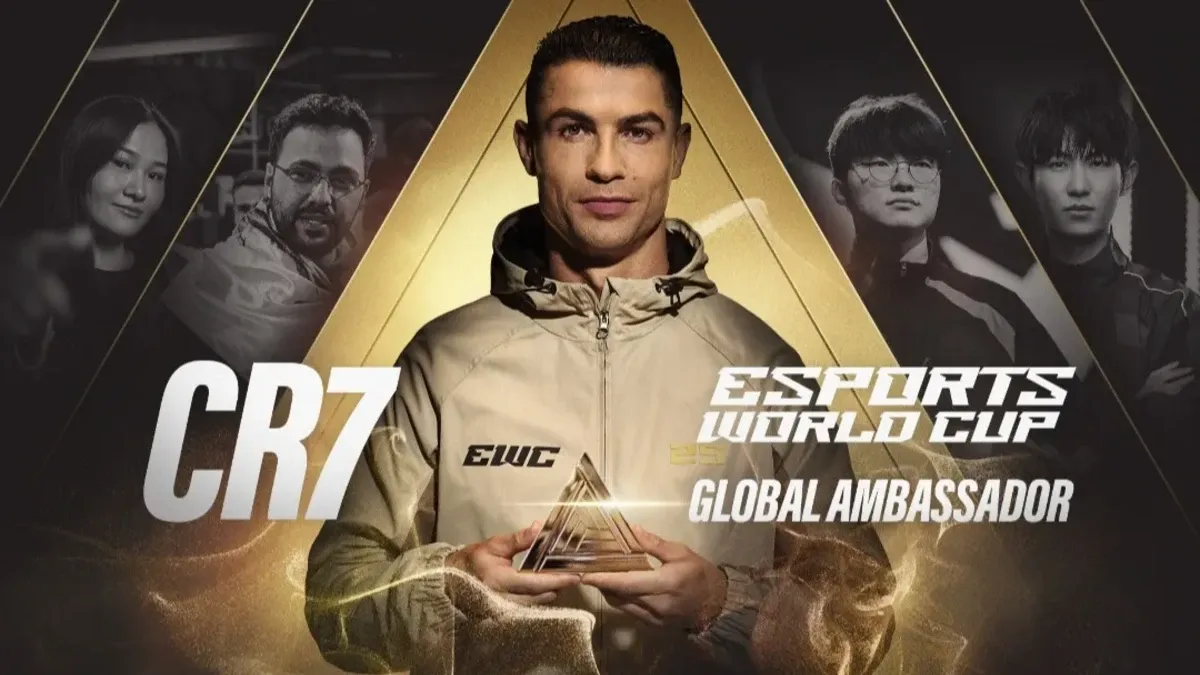
Rather than controlling every element of the message, brands are allowing creators to shape content in their own tone and style. This approach tends to generate stronger engagement because it aligns with how audiences already consume content.
Motorsport provides a strong example of this evolution. Campaigns linked to formula 1 car sponsorship now extend far beyond trackside branding, reaching audiences through lifestyle content, behind-the-scenes storytelling, and creator-led narratives.
Interactive experiences deepen engagement
Gen Z audiences respond well to experiences that allow them to participate rather than simply observe. Interactive elements such as QR activations, fan voting, augmented reality filters, and gamified content can significantly increase engagement levels.
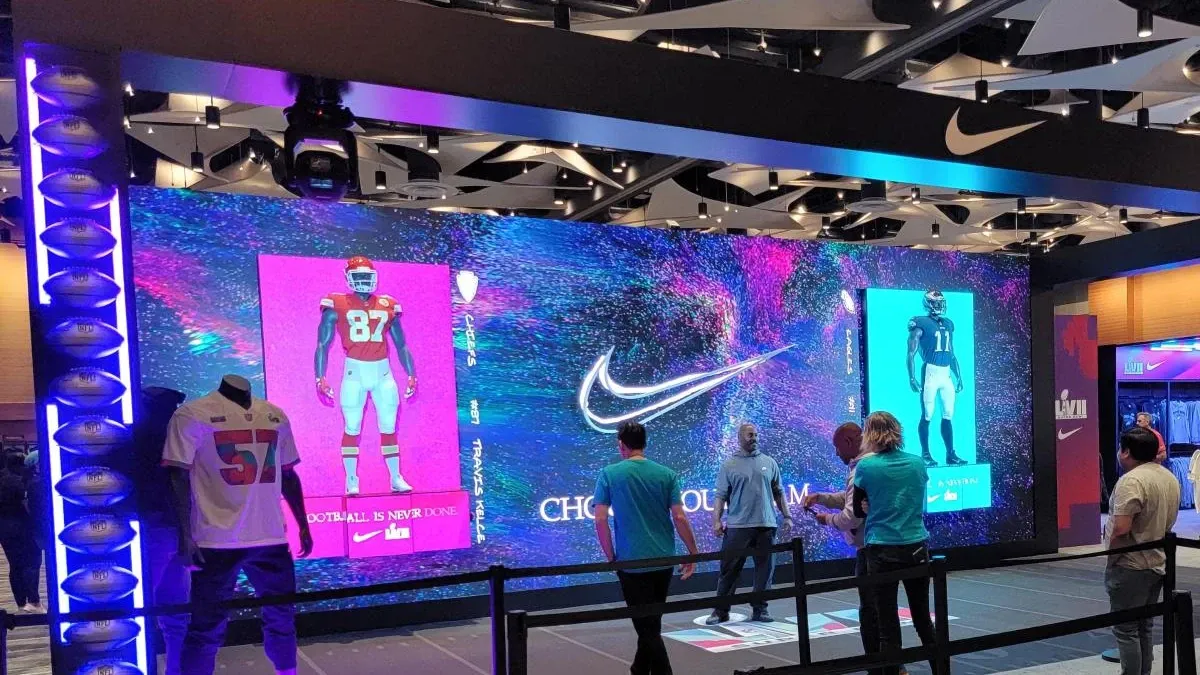
These experiences create a sense of involvement, which often leads to stronger brand recall. When fans feel part of the moment, the connection becomes more memorable and more meaningful.
In game advertising is becoming part of the experience
Another space that continues to grow with Gen Z is in-game advertising, particularly within sports titles such as FIFA. These environments mirror real-world stadiums, complete with digital boards, branded content, and sponsorship placements that feel native to the gameplay.
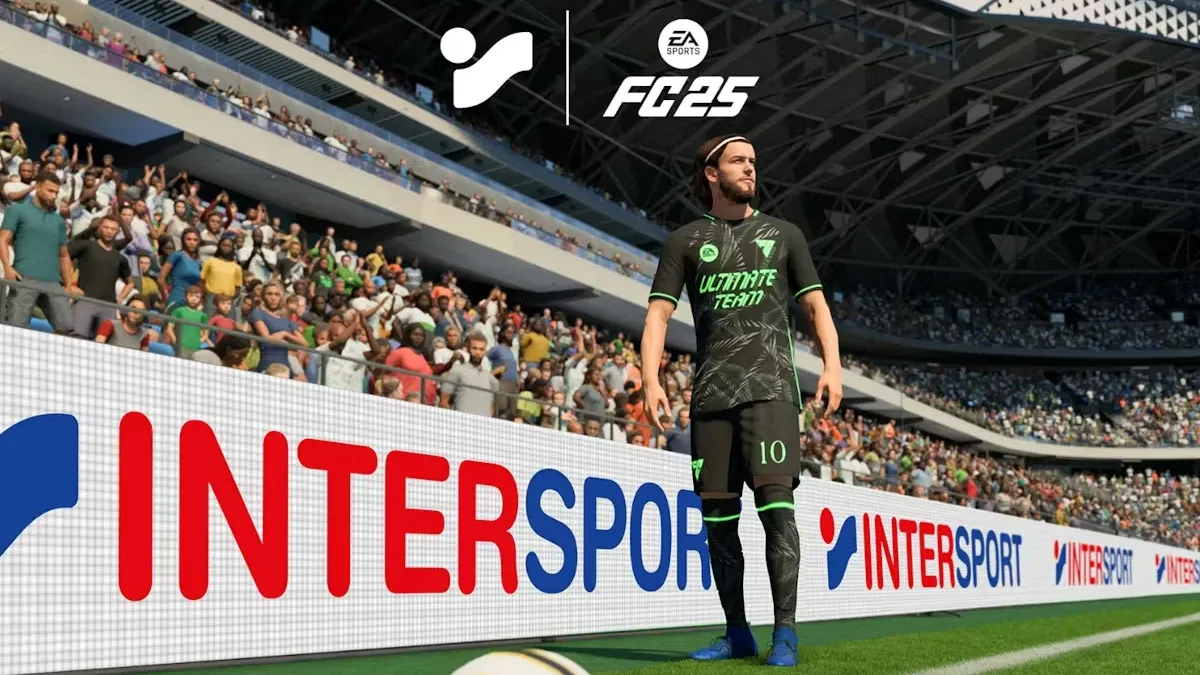
For younger audiences, this is not seen as advertising in the traditional sense. It sits naturally within the experience. When a player is fully immersed in a match, whether competing online or playing career mode, brand placements become part of that environment rather than an interruption.
This creates a unique opportunity for brands to integrate into sport in a way that feels consistent across both physical and digital worlds. A campaign that appears in stadium signage, social content, and in-game environments builds familiarity through repetition without relying on one single touchpoint.
As gaming continues to grow alongside traditional sport, this crossover between virtual and real-world exposure is becoming an increasingly valuable layer within sports advertising strategies.
Cultural alignment influences brand perception
Gen Z tends to favour brands that align with their broader values and interests. Campaigns that reflect inclusivity, sustainability, and cultural awareness are more likely to resonate than those that focus purely on visibility.

This has influenced how sports partnerships are structured. Brands are increasingly looking beyond exposure and considering how partnerships reflect their identity and positioning within the wider cultural landscape.
Blending sport with entertainment expands reach
Sport now operates within a broader entertainment ecosystem. Campaigns that connect sport with other cultural elements such as music, fashion, and digital content often achieve wider reach and stronger engagement.
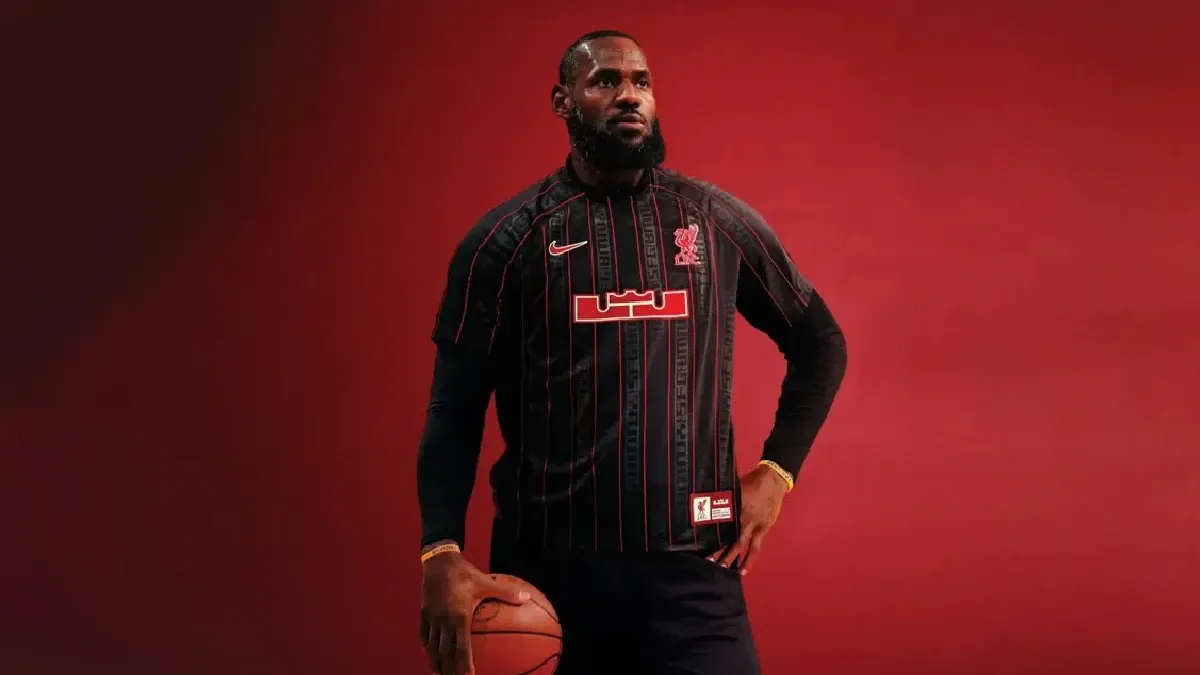
Strategic sports partnerships that span multiple sports or industries allow brands to access different audiences while maintaining a consistent narrative. This approach helps campaigns feel more integrated and less confined to a single channel.
When Sporting Universes Collided to Boost a Brand
Niche sports offer focused engagement
While major leagues continue to attract large audiences, many Gen Z fans are also engaging with niche and emerging sports. These communities often offer higher levels of engagement and a stronger sense of identity.
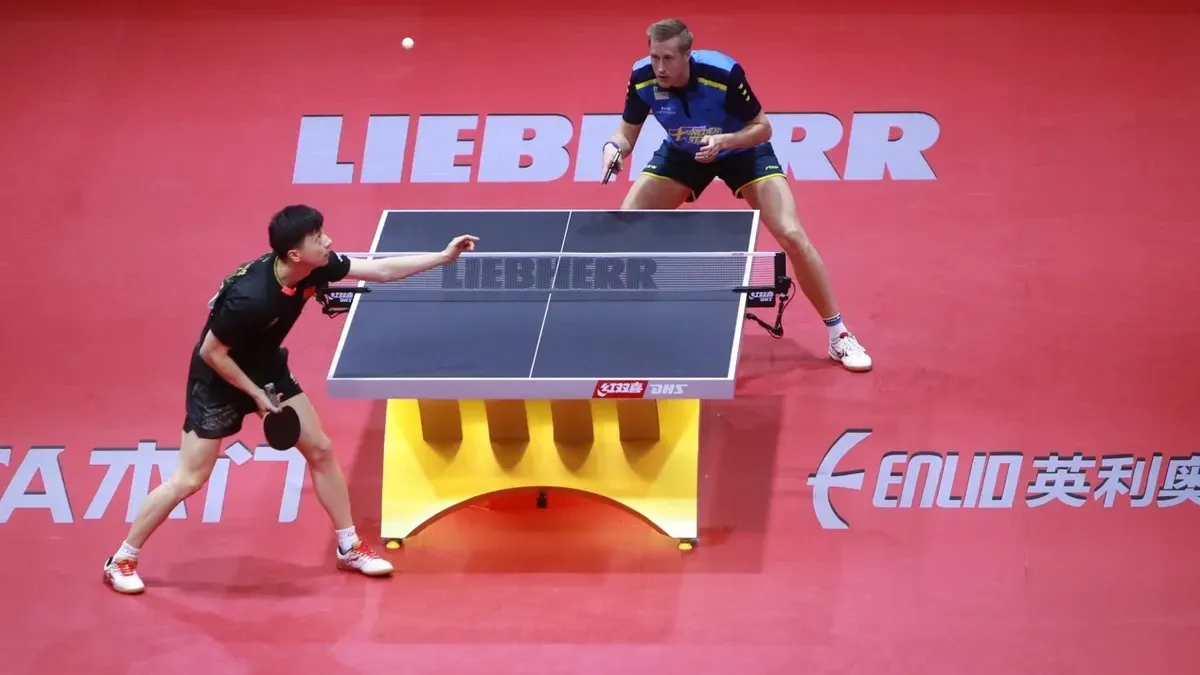
For brands, this creates an opportunity to connect with audiences in a more targeted and authentic way, without competing in highly saturated environments.
Underrated Sports That Can Boost Your Brand Visibility
Global tournaments remain key moments
Major sporting events continue to provide valuable opportunities for brands. However, the way Gen Z engages with these events has evolved. The focus extends beyond the matches themselves to include the surrounding narratives, personalities, and digital conversations.
Events such as the World Cup bring together global audiences and cultural moments at scale.
Explore opportunities with FIFA World Cup
FIFA World Cup 2026 set to redefine sports advertising opportunities
Turning engagement into meaningful outcomes
Capturing attention is only one part of the process. The most effective sports advertising strategies bring together athlete storytelling, creator-led content, interactive experiences, and cultural alignment into a cohesive approach.
When these elements work together, campaigns move beyond visibility and become part of the audience experience itself.
For brands looking to explore tailored opportunities, connecting with specialists at World Sports Advertising can help shape strategies that align with both audience behaviour and business objectives.
FAQs
Q1. How can brands use sports advertising to reach Gen Z effectively?
Brands should focus on athlete-led storytelling, short-form content, and interactive experiences that align with digital consumption habits.
Q2. Why are sports partnerships important for Gen Z audiences?
Sports partnerships allow brands to connect through culture, personality, and shared experiences rather than relying solely on visibility.
Q3. Do Gen Z fans follow athletes more than teams?
Many Gen Z fans engage more closely with individual athletes, making ambassador-led campaigns particularly effective.
Q4. What platforms are most effective for Gen Z sports advertising?
TikTok, Instagram, YouTube, and Twitch are key platforms where Gen Z audiences consume sports-related content.