

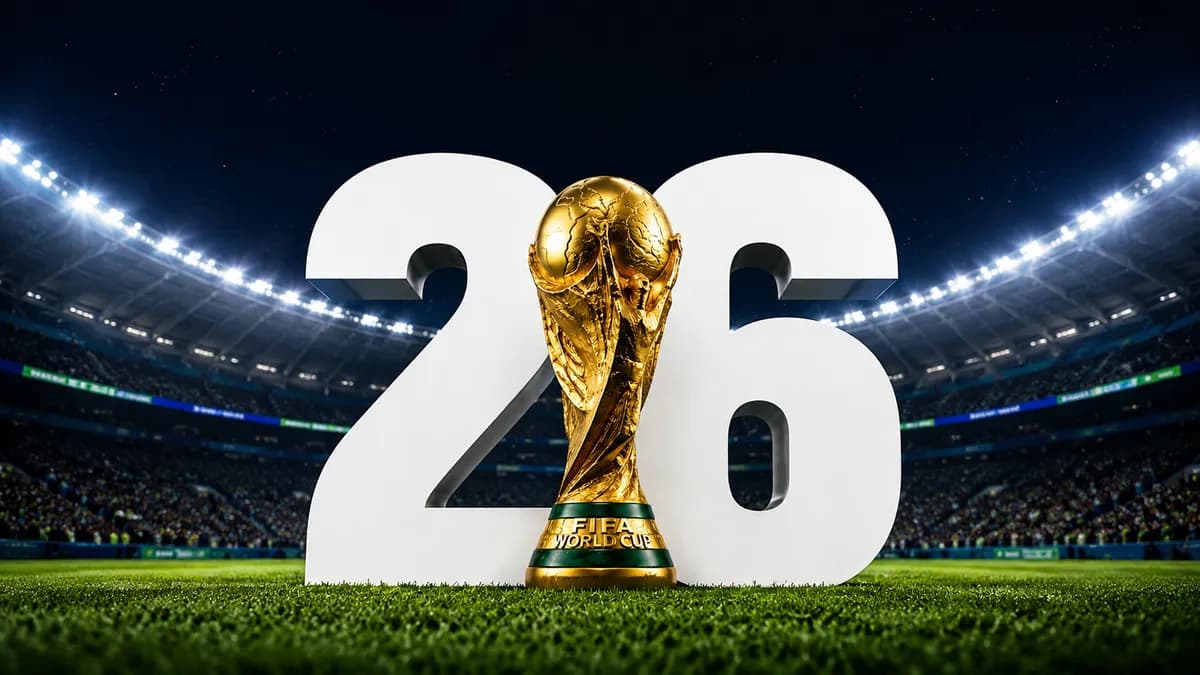
What FIFA 2026 World Cup Tell Us About Future of Sports Advertising
By Aneesa Umber
Aug 03 2026, 5 min read
The FIFA World Cup 2026 offers valuable insights into how brands can plan more effective sports advertising campaigns. As fan behaviour continues to evolve, understanding when, where and how audiences engage has become just as important as the creative itself.
Successful campaigns are often built around a few core principles. Throughout the FIFA 2026, these are the principles that stood out:
- Understand the complete fan journey.
- Navigate sports sponsorship and clean stadium rules.
- Build an effective real-time marketing strategy.
- Plan campaigns around the tournament journey.
- Create meaningful fan experiences through integrated campaigns.
Let's explore how each of these principles can help shape more effective sports advertising campaigns.
Understand the Complete Fan Journey
The FIFA World Cup 2026 highlights that fans no longer experience a tournament through a single broadcast or venue. They move between live coverage, social media, news platforms, streaming services and public spaces throughout the day, creating multiple opportunities for brands to connect.
For advertisers, this means campaign planning should focus on the complete fan journey rather than individual matches. Maintaining a consistent presence before, during and after key moments helps brands remain relevant throughout the tournament.
The Fan Journey
Every stage of the tournament presents a different opportunity to engage audiences.
- Anticipation: Fans follow fixtures, team news and tournament predictions. This is an ideal time to build awareness through teaser campaigns, countdown content and early brand storytelling.
- Match Experience: Supporters watch live matches while engaging across multiple devices. Brands can maintain visibility with timely messaging across digital, social media and out-of-home advertising.
- Social Interaction: Fans share reactions, celebrate victories and discuss key moments online. Branded content, influencer collaborations and interactive campaigns can help brands join these conversations authentically.
- Lasting Recall: After the final whistle, audiences continue watching highlights and reading post-match analysis. Follow-up content and storytelling help reinforce campaign messaging and keep brands top of mind.
Navigating Sports Sponsorship and Clean Stadium Rules
One of the defining features of major sporting events is the clean stadium policy, which reserves official branding opportunities inside venues for tournament partners. Understanding how these rules work helps brands identify the most suitable approach for their campaign objectives.
Official sponsors benefit from premium visibility through stadium branding, hospitality experiences and official tournament association. These opportunities provide direct access to audiences attending the event and improve brand credibility throughout the competition.
Brands without official sponsorship can still build meaningful engagement by focusing on channels beyond the stadium. Digital advertising, social media, experiential marketing and out-of-home advertising allow campaigns to participate in tournament conversations while reaching audiences in their everyday environments.
Whether pursuing official sponsorship or an independent campaign, success depends on aligning media planning with business objectives, audience behaviour and available investment.
Building an Effective Real-Time Marketing Strategy
Real-time marketing allows brands to participate in conversations as memorable sporting moments unfold. However, successful campaigns rely on preparation as much as speed.
Planning ahead ensures marketing teams can respond confidently without compromising creative quality or brand consistency.
A successful real-time strategy should include:
- Pre-approved creative templates for different tournament scenarios.
- A clear approval process to publish content quickly.
- Platform-specific creative tailored to where audiences engage.
- Flexible messaging that adapts to different match outcomes.
- Ongoing monitoring of fan conversations and trending topics.
When preparation meets timely execution, brands can create content that feels relevant, authentic and connected to the excitement of the tournament.
Planning Campaigns Around the Tournament Journey
The FIFA World Cup 2026 spans multiple weeks, host cities and match stages, giving brands far more opportunities to engage audiences than a single fixture.
Marketers should develop content that reflects how audience attention changes throughout the competition.
- Build-up: Introduce campaigns through countdowns, squad announcements and tournament storytelling.
- Group Stage: Maintain visibility with flexible messaging across a busy schedule of matches.
- Knockout Round: Increase campaign activity as excitement and audience engagement reach new levels.
- Post Tournament: Extend campaign value through highlights, legacy content and future event promotion.
Planning around each phase allows campaigns to remain relevant while responding naturally to changing fan interests.
Create Meaningful Fan Experiences Through Integrated Campaigns
Fans engage with major sporting events across multiple moments, platforms and environments. They might follow pre-match discussions on social media, watch live coverage, see outdoor advertising during their commute and continue the conversation online after the final whistle. Each interaction contributes to the overall brand experience.
An integrated campaign brings these touchpoints together with a clear and consistent message. Rather than treating each channel as a separate activity, brands should ensure every campaign element supports the same objective while complementing the wider marketing strategy.
This approach creates a more cohesive audience experience and reinforces brand recognition throughout the tournament. As fan attention shifts between platforms and locations, consistent messaging helps brands remain relevant at every stage of the journey.
The lessons from the FIFA World Cup 2026 show how audience-led campaign planning can create stronger sports advertising campaigns. Applying these insights effectively requires careful planning, the right media strategy and seamless execution.
We're here to help you turn your campaign objectives into effective sports advertising solutions through expert planning, media selection and campaign delivery. Get in touch with us today to discuss your next campaign.