

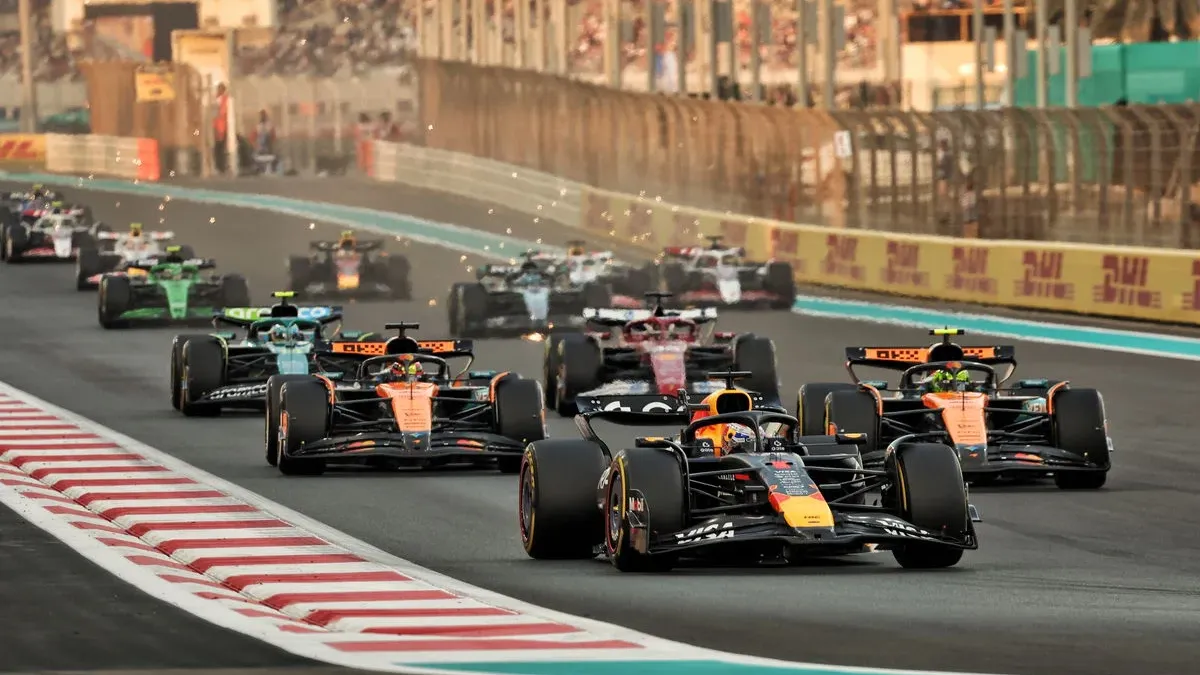
F1 Livery Reveals Set the Stage for a New Era of Sports Partnerships
By Sophie Langford
Feb 20 2026, 7 min read
Formula 1 never does anything quietly. The upcoming 2026 season has already delivered headline-grabbing livery reveals, ambitious new manufacturers, and heavyweight sponsors positioning themselves for global exposure.
For brands exploring serious sports partnerships and high-impact sports advertising, this is the moment to pay attention.
The new technical regulations have reshaped the cars. The new commercial wave is reshaping the business of F1.
And the liveries tell the story.
A New Regulatory Cycle A Fresh Commercial Landscape
The 2026 season introduces sweeping aerodynamic changes. Cars are smaller, lighter and built around new sustainable power units. That technical reset creates a commercial reset too.
New regulations mean new narratives. New narratives mean new sponsorship opportunities.
Brands are not just placing logos on sidepods. They are aligning with innovation, sustainability and global performance culture.
If you are considering entering motorsport, our guide on how to get your brand racing with Formula 1 car sponsorship explains the commercial mechanics in detail.
Mercedes W17 Silver Black and Sustainable Ambition
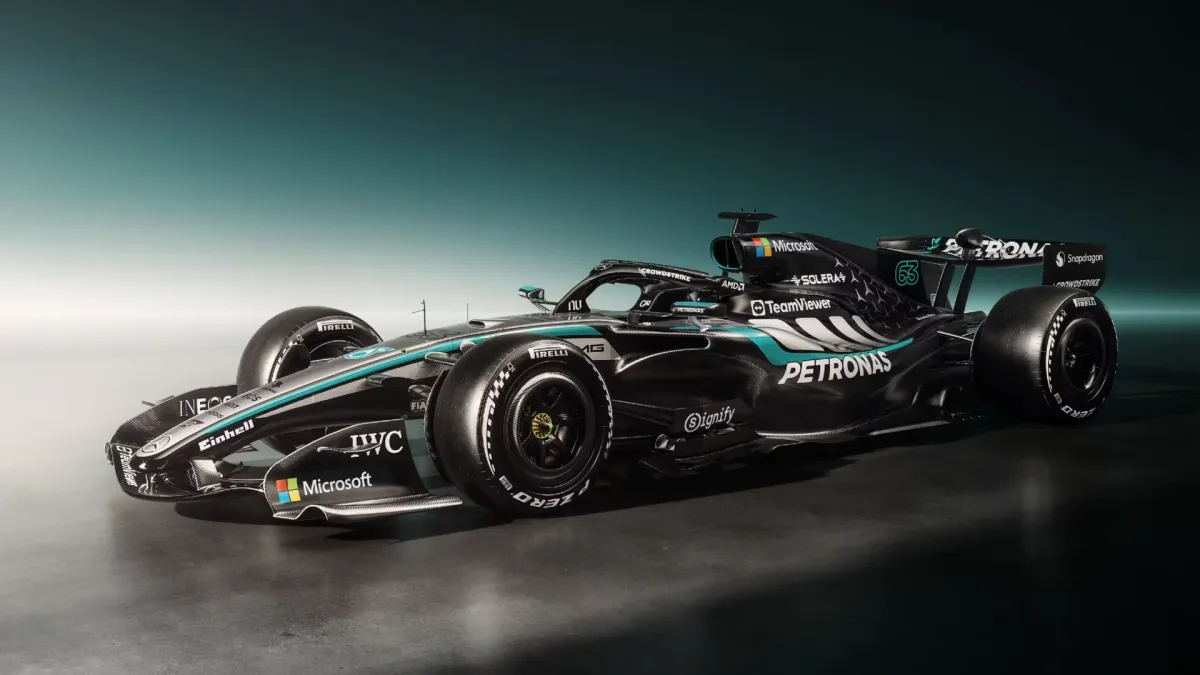
Mercedes revealed the W17 in a refined silver and black livery, staying true to their heritage while embracing the future.
The Silver Arrows are doubling down on advanced power unit development and sustainable fuels in partnership with Petronas. That narrative is commercially powerful.
Why It Matters for Sponsors
Mercedes represents precision engineering and global reach. Their car is a moving billboard across five continents.
Brands attached to a team fighting for championships gain:
- Worldwide television exposure
- Premium hospitality access
- Association with cutting-edge technology
- Consistent digital engagement across social channels
F1 remains one of the clearest demonstrations of the impact of sport on global economy, and Mercedes are firmly at the centre of that ecosystem.
Read more: Why Advertising in Formula 1 Puts Your Brand in the Fast Lane
Audi Enter Formula 1 with Lava Red Intent
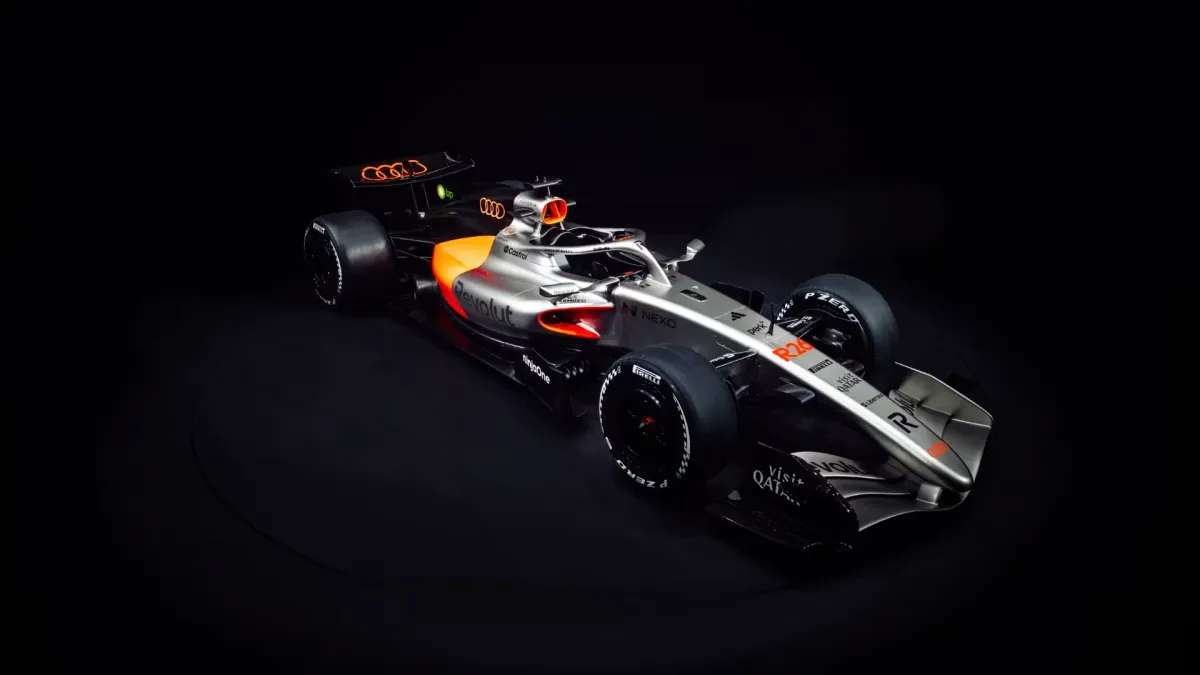
Audi’s launch in Berlin was more than a car reveal. It was a corporate statement.
Their R26 livery blends titanium tones, carbon fibre and lava red accents. Visually aggressive. Technically ambitious. Commercially calculated.
Audi entered as a full works team, controlling chassis and power unit development. That vertical integration strengthens their appeal to brands that value engineering credibility.
The Commercial Play
Audi’s arrival signals:
- Long-term commitment to Formula 1
- Heavy investment in performance
- A desire to fight for titles by the end of the decade
For sponsors, joining a manufacturer at the start of its F1 journey offers early equity in a growing story.
It mirrors what we have seen in other elite collaborations, such as the Jack Daniel’s McLaren deal analysed in Jack Daniels McLaren F1 partnership fuels 5 billion dollar brand rise.
Read more: Audi enters Formula 1 in 2026
Cadillac Super Bowl Reveal and American Ambition
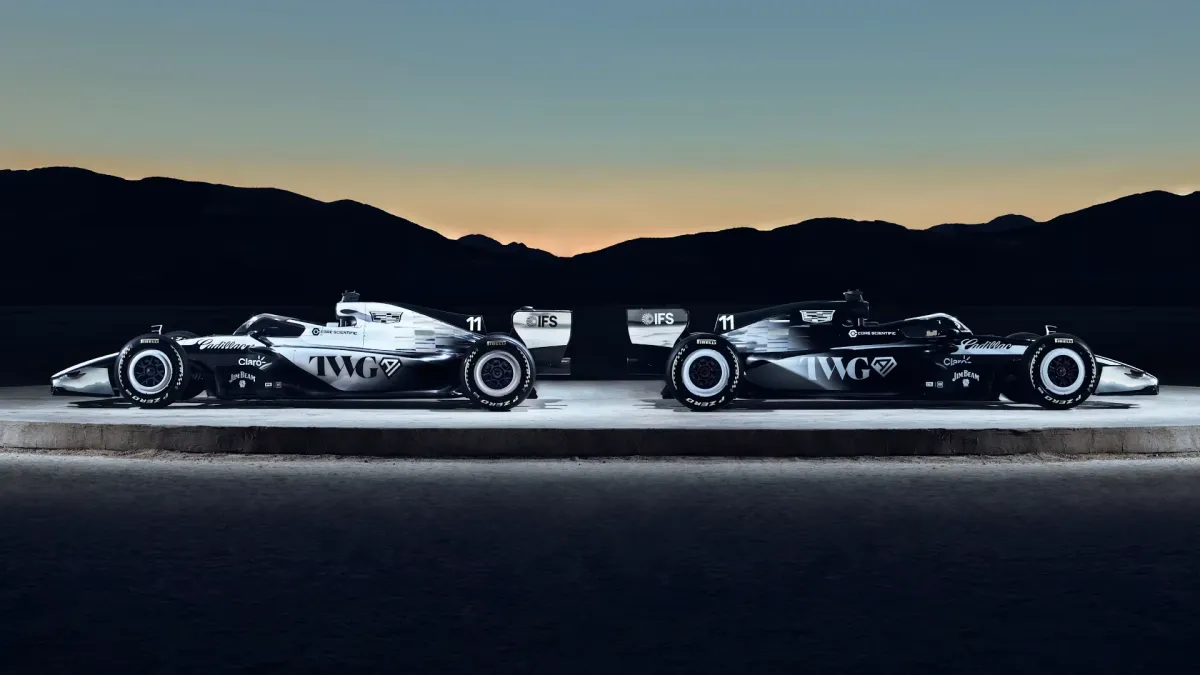
Cadillac unveiled their debut livery during the Super Bowl. That alone tells you everything about cross-platform thinking.
An American manufacturer entering F1 and launching during the biggest US sporting broadcast creates a marketing multiplier effect.
The livery reveal was not just about colour. It was about cultural positioning.
F1 Growth in the United States
With races in Miami, Austin and Las Vegas, F1’s US expansion is accelerating. Cadillac’s entry deepens that narrative.
For brands targeting North American audiences, F1 now sits alongside NFL and NBA in terms of premium sponsorship environments.
This is exactly why sports advertising budgets are shifting globally. The crossover effect between leagues, regions and media platforms is only increasing.
DAMAC and Red Bull Racing Real Estate Meets Performance
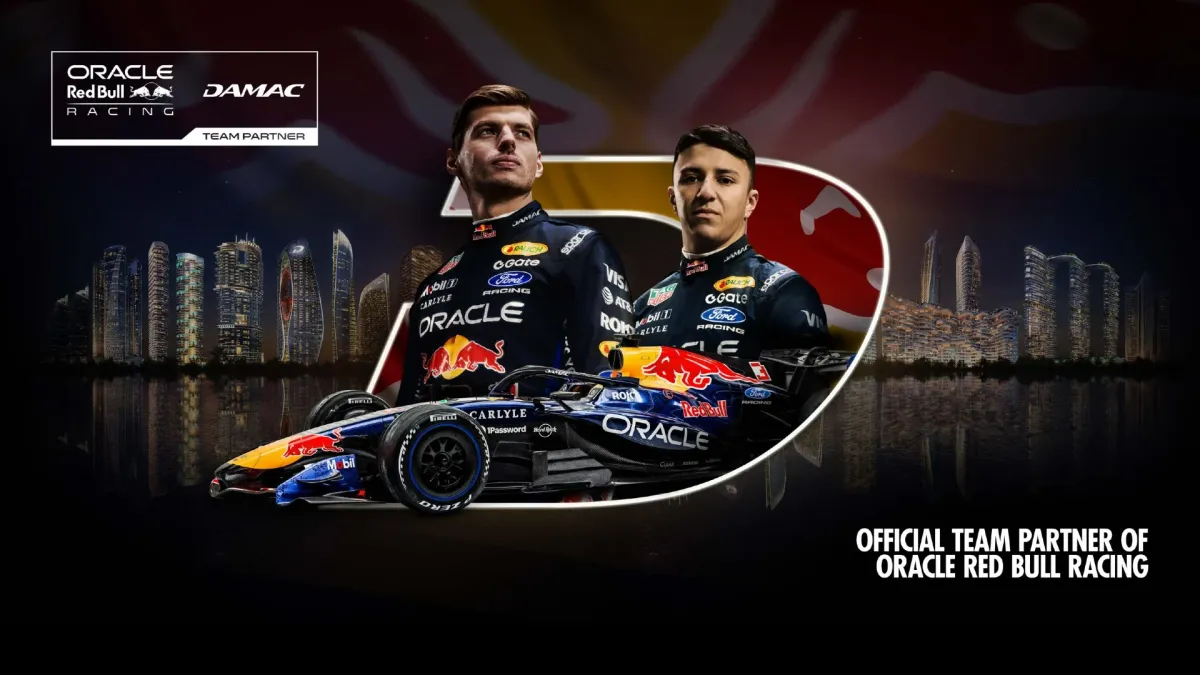
The long-term partnership between DAMAC Properties and Oracle Red Bull Racing highlights how non-traditional sectors are leveraging F1.
Real estate branding on halo devices, race suits and team kits delivers consistent visibility in the Middle East and beyond.
As F1 expands across Saudi Arabia, Bahrain and Qatar, regional partners gain unmatched hospitality and B2B networking access.
It echoes a broader trend we covered in why European sports teams are looking east, where investment and audience growth are increasingly global.
Livery Design as Brand Storytelling
Livery is not paint. It is strategy.
Key Commercial Elements of a Modern F1 Livery
Logo hierarchy and visibility: Placement on halo, sidepods, rear wing and race suits determines broadcast impact.
Digital amplification: Teams now design liveries with social media in mind. Launch events are streamed, clipped and repurposed across platforms.
Sustainability messaging: With new regulations and sustainable fuels, brands can integrate ESG storytelling directly into their partnerships.
The commercial return stretches beyond race weekends. Teams provide year-round content, fan activations and global hospitality.
The Wider Sports Landscape and Cross Sport Leverage
Formula 1 is powerful on its own. Combined with football or combat sports, it becomes even stronger.
We are already seeing brands connect across properties. Think of how multinational campaigns blend football ambassadors with motorsport hospitality.
For football opportunities, explore our dedicated football advertising hub.
With the 2026 calendar approaching, brands are also considering the FIFA World Cup 2026 sports advertising opportunities, particularly if this proves to be a final World Cup appearance for global icons like Lionel Messi or Cristiano Ronaldo.
Multi-sport integration allows sponsors to maintain visibility year round, not just during one championship.
Why Mid Level Brands Should Act Now
There is a misconception that Formula 1 is only for billion-dollar corporations. That simply is not accurate.
Mid-level brands can enter via:
- Secondary sponsorship packages
- Driver ambassador deals
- Digital activation partnerships
- Regional race partnerships
Our ambassadors page outlines how athlete alignment can enhance brand credibility beyond traditional placements.
The 2026 regulation cycle is the perfect entry point. New cars. New teams. New storylines.
The brands that commit early tend to build deeper equity.
Bored? The Global Motorsport Quiz for Brands and Fans
Ready to Put Your Brand on the Grid
Whether you are exploring Formula 1, football, golf or UFC, strategic sports partnerships require careful planning and strong relationships.
At World Sports Advertising, we connect brands with the right properties, leagues and athletes across global markets.
If your goal is measurable exposure, premium hospitality and long-term brand positioning, get in touch via our contact page. The next season is already accelerating.
FAQs
Q. Why are F1 livery reveals important for sports advertising?
Livery reveals sponsor branding, signal new partnerships and generate global media coverage. They create immediate visibility for brands involved in Formula 1 sports partnerships.
Q. Can mid sized brands afford Formula 1 sponsorship?
Yes. Brands can enter through secondary sponsorship, regional race partnerships or driver ambassador deals. Structured sports partnerships make Formula 1 accessible beyond major multinationals.
Q. How does Formula 1 compare to football for brand exposure?
Formula 1 delivers global broadcast coverage across multiple continents in one season. Football offers deep local league loyalty. Many brands combine both within wider sports advertising strategies.
Q. Why is the 2026 F1 season commercially significant?
The 2026 season introduces new regulations and new manufacturers like Audi and Cadillac. This reset creates fresh sponsorship inventory and new storytelling opportunities for brands.