

Influencer Boxing and Its Impact on Sports Advertising
By Sophie Langford
Jan 05 2026, 7 min read
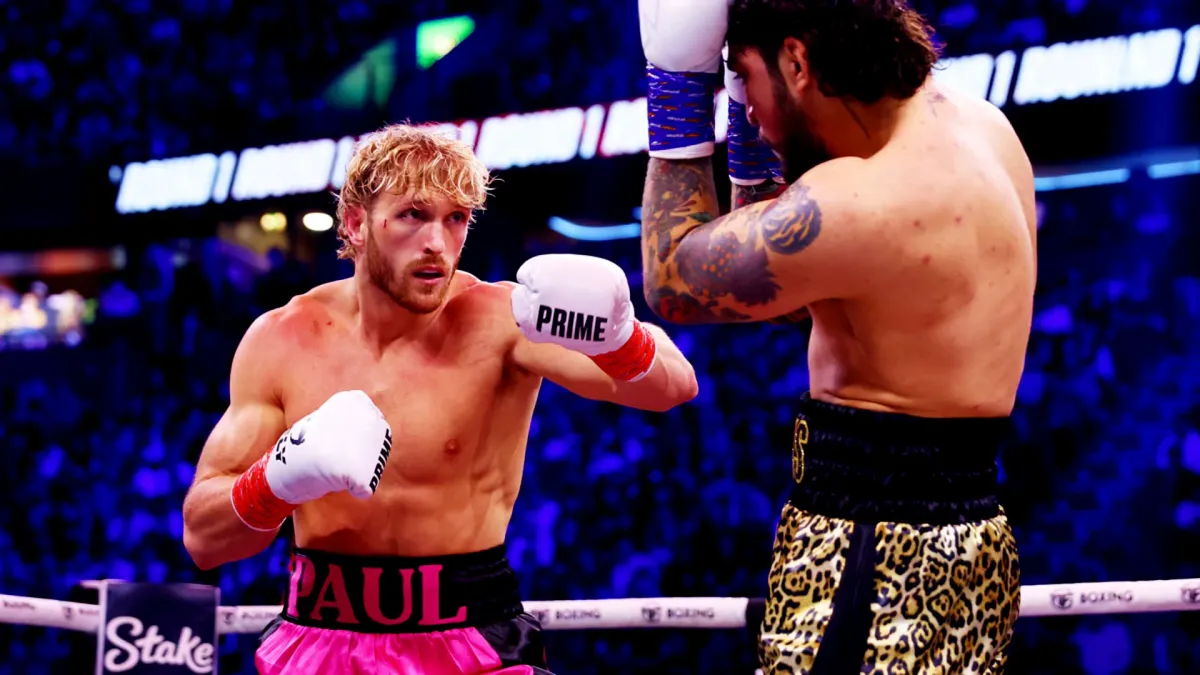
Influencer boxing has gone from a curiosity to a serious commercial force. What began as YouTubers settling scores in the ring is now delivering global audiences that rival established sports broadcasts. For brands exploring modern sports partnerships and high-impact sports advertising, this shift matters.
Figures like Jake Paul and Andrew Tate sit at the centre of this movement. They bring vast digital followings, polarising personalities and an ability to turn a single fight into a global media moment. For advertisers, the question is no longer whether influencer boxing is relevant, but how to engage with it intelligently.
Why influencer boxing has broken into the mainstream
Influencer boxing works because it blends sport, entertainment and creator culture. Fans are not only watching the contest, they are following the narrative across months of online build-up, press conferences, clips and social commentary.
Unlike traditional boxing, where audiences are often event-driven, influencer boxing creates sustained attention. This has expanded boxing’s reach beyond its core fanbase and introduced younger viewers who may never have bought a pay-per-view fight before.
This expansion reflects wider trends covered in the World Sports Advertising newsroom,including how sport influences the global economy and why brands are increasingly experimenting with new formats through platforms explored in articles such as impact of sport on global economy and crypto advertising in sports skyrockets and future potential.
How Sport Builds Economies and Inspires Global Investment
Explore Advertising through Combat Sports
Jake Paul and the scale brands cannot ignore
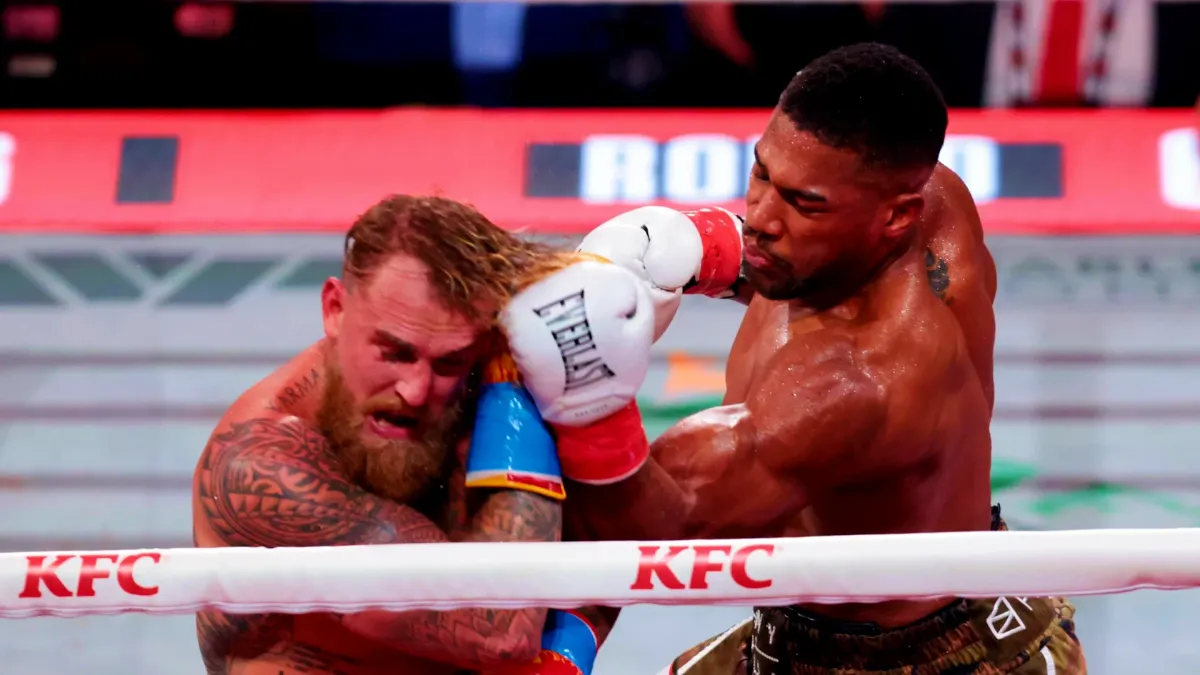
Jake Paul has become the clearest proof point for influencer boxing’s commercial power. His December 2025 fight against Anthony Joshua streamed live on Netflix drew an estimated 33 million global viewers. That places it firmly in the territory of mainstream mega-events.
Beyond raw viewership, the fight generated more than a billion social impressions across Netflix channels alone, trended worldwide on social platforms and became one of the most shared live sports clips of the year. For advertisers, this demonstrates something critical. Influencer boxing delivers reach across broadcast, streaming, social and live venues simultaneously.
This multi-platform footprint mirrors the success seen in elite sports properties such as Formula 1 and football, where brands benefit from layered exposure. It is no surprise that companies already active in Formula 1 and the English Premier League are beginning to explore influencer-led combat sports as a complementary channel.
Andrew Tate and digital-first engagement
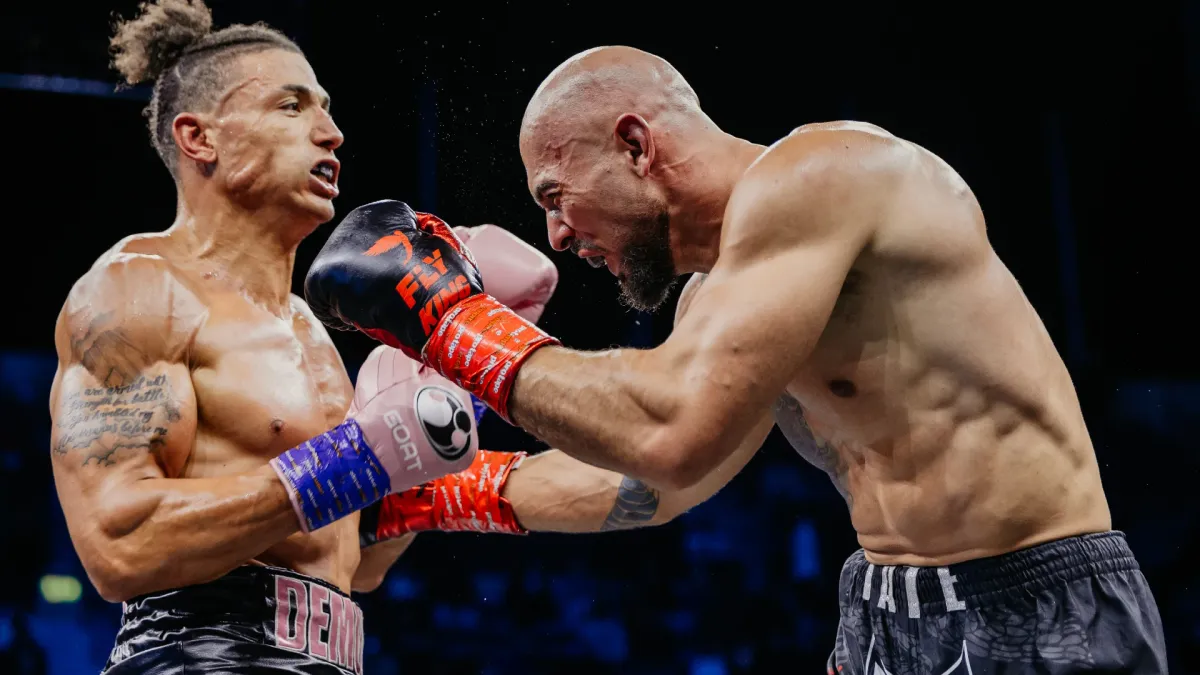
Andrew Tate represents a different side of influencer boxing. His events do not always reach the same mainstream broadcast numbers as Netflix-backed fights, but they generate intense online engagement. Streams, clips and commentary circulate rapidly across alternative platforms and social media, keeping his audience highly active.
For brands, this highlights an important distinction. Influencer boxing is not a single product. It ranges from polished global broadcasts to raw, digital-first spectacles. Each offers different advertising mechanics, risk profiles and audience dynamics.
Understanding this spectrum is essential, particularly for mid-level brands looking to enter sports advertising without competing for the most expensive rights in football, UFC or golf.
What influencer boxing means for sports partnerships
Influencer boxing has changed expectations around sports partnerships. Brands are no longer limited to perimeter boards or shirt logos. Instead, partnerships often include:
Integrated creator content
Fighters promote sponsors directly to millions of followers across YouTube, Instagram, X and short-form video platforms. This creates a blend of endorsement and entertainment that feels native to fans.
Event-led brand storytelling
Press conferences, weigh-ins and behind-the-scenes content become branded moments. These assets often outperform traditional ads in engagement and shareability.
Cross-sport audience spillover
Influencer boxing audiences overlap with fans of football, UFC, Formula 1 and even golf. This creates opportunities for multisport campaigns, a strategy explored further in how brands win with multisport collabs.
For brands already considering ambassadors through traditional routes, influencer boxing adds another layer to the sports ambassadors ecosystem, complementing the already established sporting stars.
Check out World Sports Advertising Ambassadors.
Advertising opportunities around fight nights
From a media planning perspective, influencer boxing offers a condensed, high-intensity advertising window. A single fight week can deliver:
- Ring canvas and corner branding visible throughout the broadcast
- Fighter apparel and walkout sponsorships
- Digital integrations within streaming platforms
- Hospitality and experiential activations at the venue
- Amplification across fighters’ personal channels
These opportunities echo formats seen in combat sports such as UFC and boxing, but with a stronger emphasis on digital amplification. Brands familiar with UFC advertising formats will recognise the value of combining live exposure with creator-led storytelling.
Risk, controversy and brand suitability
Influencer boxing is not without risk. Personalities are outspoken, narratives can shift quickly and controversies can spill into the mainstream. This makes brand alignment critical.
Successful sports advertising in this space depends on clear objectives, careful partner selection and structured agreements. Brands that approach influencer boxing as a strategic extension of their sports partnerships, rather than a one-off stunt, tend to see stronger returns.
This mirrors lessons learned across other fast-moving sectors such as betting, where brand safety and regulation play a major role, as discussed in why betting firms gamble on sports ads or marketing analysis.
How to Advertise in Sports: Your Playbook for Global Impact
How influencer boxing fits into a wider sports strategy
Influencer boxing should rarely stand alone. Its real strength lies in how it complements established sports channels. A brand might activate around influencer boxing to reach younger audiences, then reinforce credibility through football advertising, motorsport sponsorship or golf partnerships.
With major global moments ahead, including the FIFA World Cup 2026 where legends like Messi and Ronaldo are expected to make their final appearances on the world stage, brands have a unique opportunity to balance legacy sports advertising with modern, creator-led formats.
World Sports Advertising works with brands to structure these blended strategies across football, combat sports, motorsport and beyond. From boxing and UFC activations to Premier League sponsorships and Formula 1 partnerships, the goal remains the same. Reach the right audience, in the right moment, with the right message.
For brands exploring their next move in sports partnerships or sports advertising, influencer boxing is no longer fringe. It is a channel worth understanding, planning and activating with care.
FAQs
Q. What is influencer boxing in sports advertising?
Influencer boxing involves digital creators and public figures competing in boxing events that attract large online and broadcast audiences, creating new opportunities for sports advertising and brand partnerships.
Q. Why are brands interested in Jake Paul fights?
Jake Paul fights deliver global reach, strong social engagement and multi-platform exposure, making them attractive for brands seeking modern sports partnerships.
Q. Is influencer boxing suitable for all brands?
Not always. Brands need to assess audience fit, risk tolerance and messaging before entering influencer boxing as part of their sports advertising strategy.
Q. How does influencer boxing compare to traditional combat sports?
Influencer boxing places greater emphasis on digital engagement and personality-driven storytelling, while traditional combat sports focus more on sporting legacy and rankings.